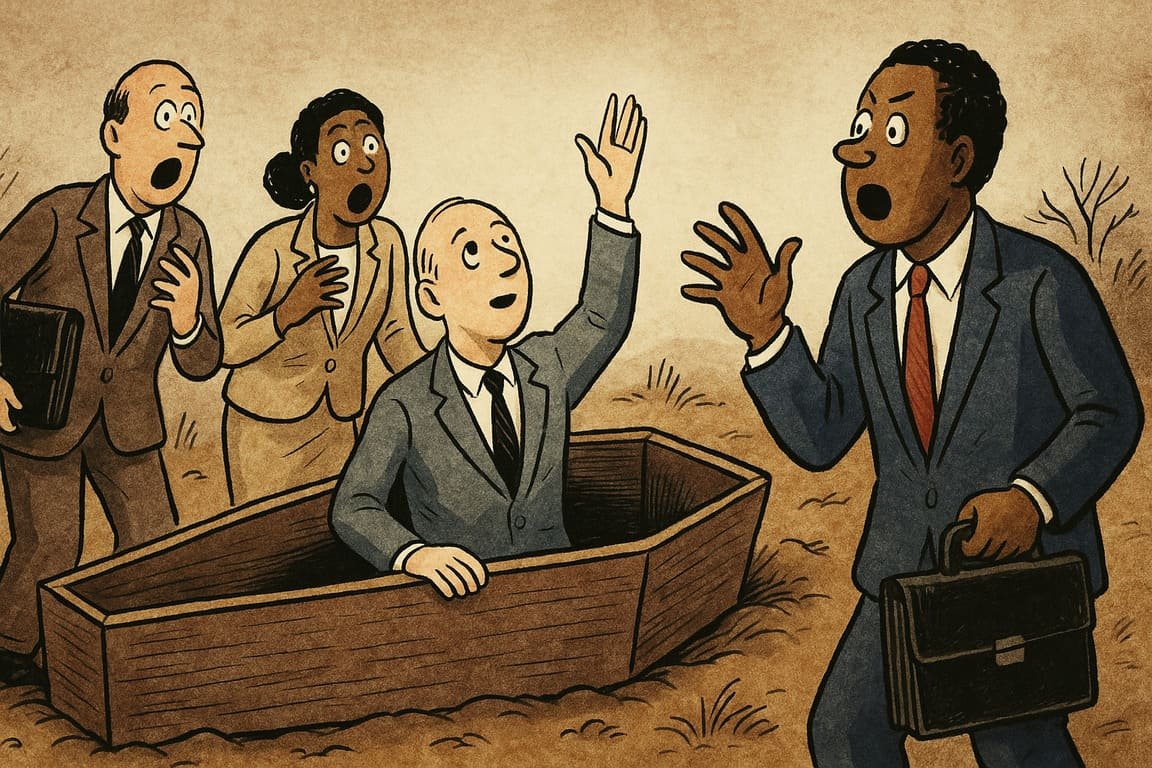
Silence settled over the headquarters like dust inside an abandoned cathedral. Desks remained occupied, screens still glowed, and meetings continued, yet something vital had disappeared. Hope had quietly slipped through the cracks of disappointing earnings, shrinking customer loyalty, and headlines predicting the company’s inevitable collapse. The market had already written the obituary. Strangely, the greatest business revivals often begin at precisely this moment, when expectations fall so low that bold thinking finally becomes possible and survival demands brutal honesty instead of comforting illusions.
Corporate decline rarely arrives without warning. It whispers before it screams. Customers stop recommending products. Employees lose pride in their work. Leaders become obsessed with defending old decisions rather than questioning them. Every struggling organization reaches a crossroads where management must choose between protecting familiar habits or rebuilding around uncomfortable truths. The companies remembered decades later almost always choose reinvention over nostalgia. They recognize that yesterday’s success can quietly become tomorrow’s greatest liability.
The remarkable recovery of Marvel Entertainment demonstrates this principle with extraordinary clarity. Before becoming a global entertainment powerhouse, Marvel faced financial distress and bankruptcy protection after years of declining fortunes. Instead of treating its comic book characters as products to license away indefinitely, leadership recognized the hidden value of controlling storytelling through film production. That strategic shift transformed forgotten superheroes into cultural icons and reshaped the entertainment industry. The business changed because its leaders finally understood what made the brand truly valuable.
Another inspiring turnaround belongs to Starbucks. Rapid expansion had weakened the customer experience that originally distinguished the company. Stores multiplied while the atmosphere that made people linger quietly faded. When leadership returned its focus to quality, employee engagement, and authentic customer connection, growth became meaningful again instead of merely bigger. Fresh coffee alone did not rescue the business. Restoring purpose did. Customers sensed the difference because genuine change cannot be hidden behind clever advertising campaigns.
A family-owned furniture manufacturer experienced a similar awakening. Sofia inherited the business just as cheaper imports flooded the market. Every advisor suggested cutting prices until competitors disappeared. She refused. Walking through the workshop one evening, she noticed an elderly craftsman gently sanding the edge of a handmade dining table. “Families will gather here for decades,” he whispered. That sentence changed everything. Instead of competing on cost, the company embraced craftsmanship, personalization, and lifetime service. Sales recovered because customers bought lasting memories instead of disposable furniture.
Successful turnarounds share a surprisingly consistent pattern. Leaders stop chasing every opportunity and begin protecting what makes their organizations unmistakable. They simplify operations, strengthen culture, rebuild customer trust, and remove distractions that quietly consume energy without creating value. Strategy becomes sharper because priorities become fewer. This discipline feels uncomfortable during crisis, yet complexity rarely saves struggling businesses. Clarity does. Great management often means deciding what not to pursue with equal conviction as choosing what deserves investment.
There is also a deeply human side to every corporate resurrection. Employees who survive difficult seasons develop resilience that no leadership seminar can teach. Teams learn to celebrate small victories, communicate with greater honesty, and appreciate meaningful progress instead of superficial momentum. Shared hardship often becomes the invisible foundation beneath future success. Customers notice that authenticity as well. Organizations that emerge stronger usually carry an earned confidence rather than polished perfection. Their scars become symbols of credibility instead of embarrassment.
The business world loves celebrating meteoric success, yet lasting admiration often belongs to those who climbed back after falling hardest. Failure strips away illusion, revealing whether an organization truly understands its purpose or merely enjoyed favorable conditions. The companies that rise again prove a timeless lesson. Collapse is not always the final chapter. Sometimes it is simply the painful introduction to a stronger identity waiting beneath the surface. Every struggling business holds the same unsettling possibility: its greatest achievement may still be hidden inside its greatest disappointment.
