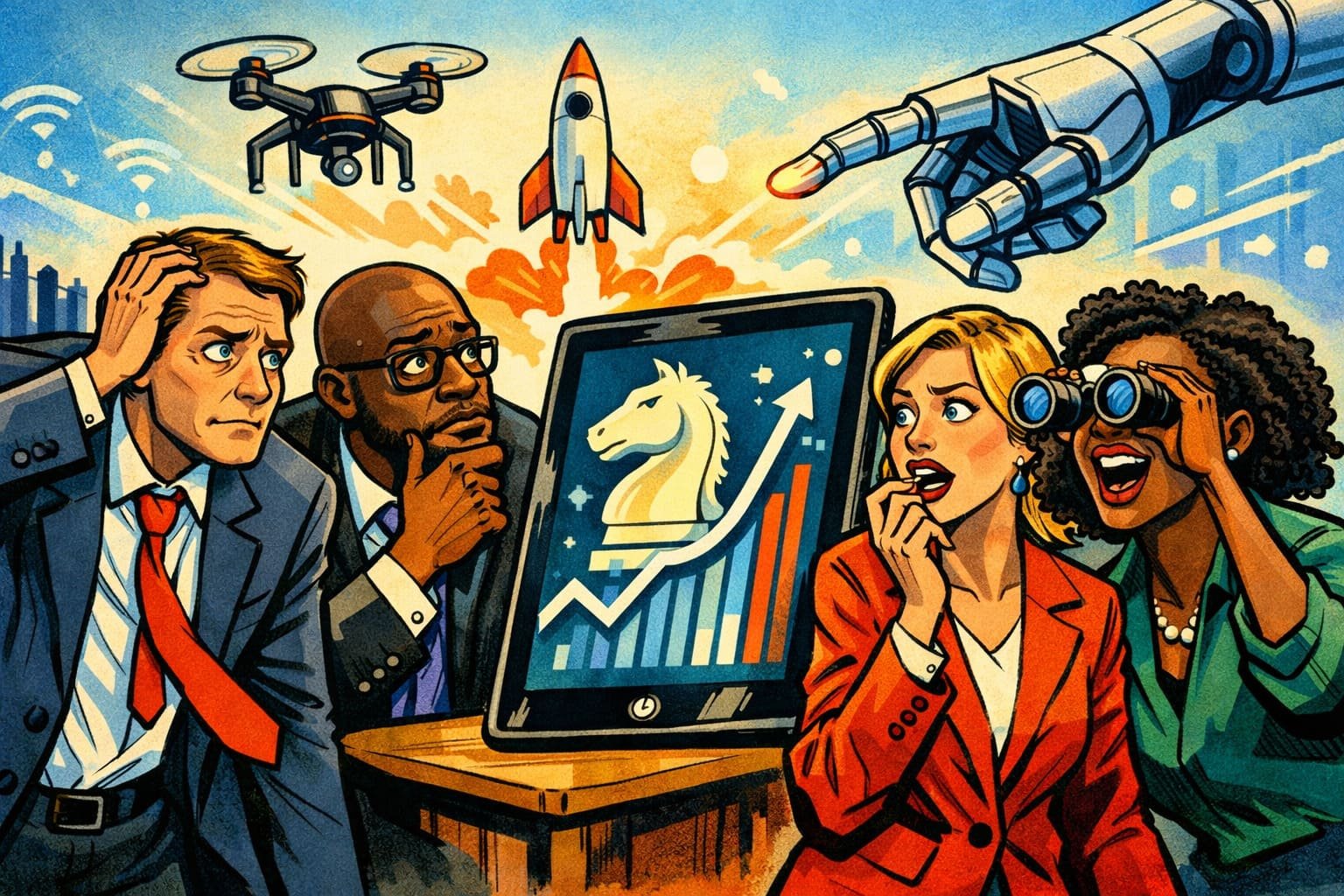
The boardroom felt strangely calm while alarms rang everywhere else. Markets shifted overnight, customers changed familiar habits, and competitors arrived from unexpected directions carrying ideas instead of factories. One executive stared at a strategy document completed only months earlier. It already looked like history. That uncomfortable moment has become common across modern business because technology rarely asks permission before rewriting the rules, leaving complacent organizations chasing yesterday while tomorrow quietly arrives without ceremony.
Many leaders still believe technology belongs inside the information technology department. That assumption quietly weakens otherwise capable organizations. Digital transformation is not about buying impressive software or installing smarter machines. It is about changing how decisions are made, how customers experience value, and how employees solve problems together. Businesses that mistake technology for equipment usually discover too late that competitors were investing in entirely new ways of thinking rather than simply upgrading hardware.
Netflix offers one of the clearest lessons. The company could have remained comfortable mailing DVDs while collecting dependable profits. Instead, leadership recognized that streaming would eventually replace physical rentals, even though the existing business still worked well. That decision demanded courage because it threatened current success. The company deliberately disrupted itself before someone else could. Technology became a strategic choice rather than a defensive reaction, permanently changing the entertainment industry.
A regional furniture retailer learned the same lesson on a smaller stage. Operations director Emilio noticed customers browsing online before visiting the showroom, yet sales teams ignored those digital footprints. Instead of complaining about changing habits, he connected online browsing with in-store consultations. Customers arrived feeling recognized rather than anonymous. Sales improved naturally. The breakthrough did not come from expensive technology alone. It emerged because leadership redesigned the experience around changing customer behavior.
Businesses often chase fashionable tools while overlooking uncomfortable questions. Artificial intelligence, automation, and data analytics attract headlines because they appear exciting. Yet technology without strategic purpose resembles buying a race car without knowing the destination. Successful organizations begin with customer problems before selecting digital solutions. They understand that impressive technology cannot rescue weak leadership or confused priorities. Clear thinking still matters. Machines simply magnify the quality of decisions already being made throughout the organization.
The greatest competitive advantage may no longer be owning superior technology. It may be learning faster than everyone else. Amazon continually experiments, accepting that many initiatives will fail before valuable discoveries emerge. That mindset creates resilience because learning compounds over time. Organizations trapped by perfection rarely move quickly enough. Fear becomes more expensive than failure. Adaptability quietly becomes the most valuable asset in industries where certainty disappears faster than annual strategic plans can be rewritten.
Technology also exposes an uncomfortable truth about leadership. Authority no longer comes from knowing every answer because information travels instantly across organizations. Strong leaders create environments where curiosity spreads faster than fear. Teams become comfortable questioning assumptions, testing ideas, and sharing knowledge openly. That cultural shift matters because digital transformation succeeds through people before platforms. Every successful technological breakthrough ultimately reflects human willingness to change familiar habits despite understandable uncertainty and resistance.
History rarely remembers businesses that simply purchased better software. It celebrates organizations that transformed uncertainty into opportunity because leadership embraced learning before comfort. Technology will continue rewriting competitive landscapes, regardless of individual preferences or carefully crafted long-term plans. The real question is never whether disruption will arrive. It always does. The lasting advantage belongs to those willing to rethink themselves before circumstances force the conversation upon them.
