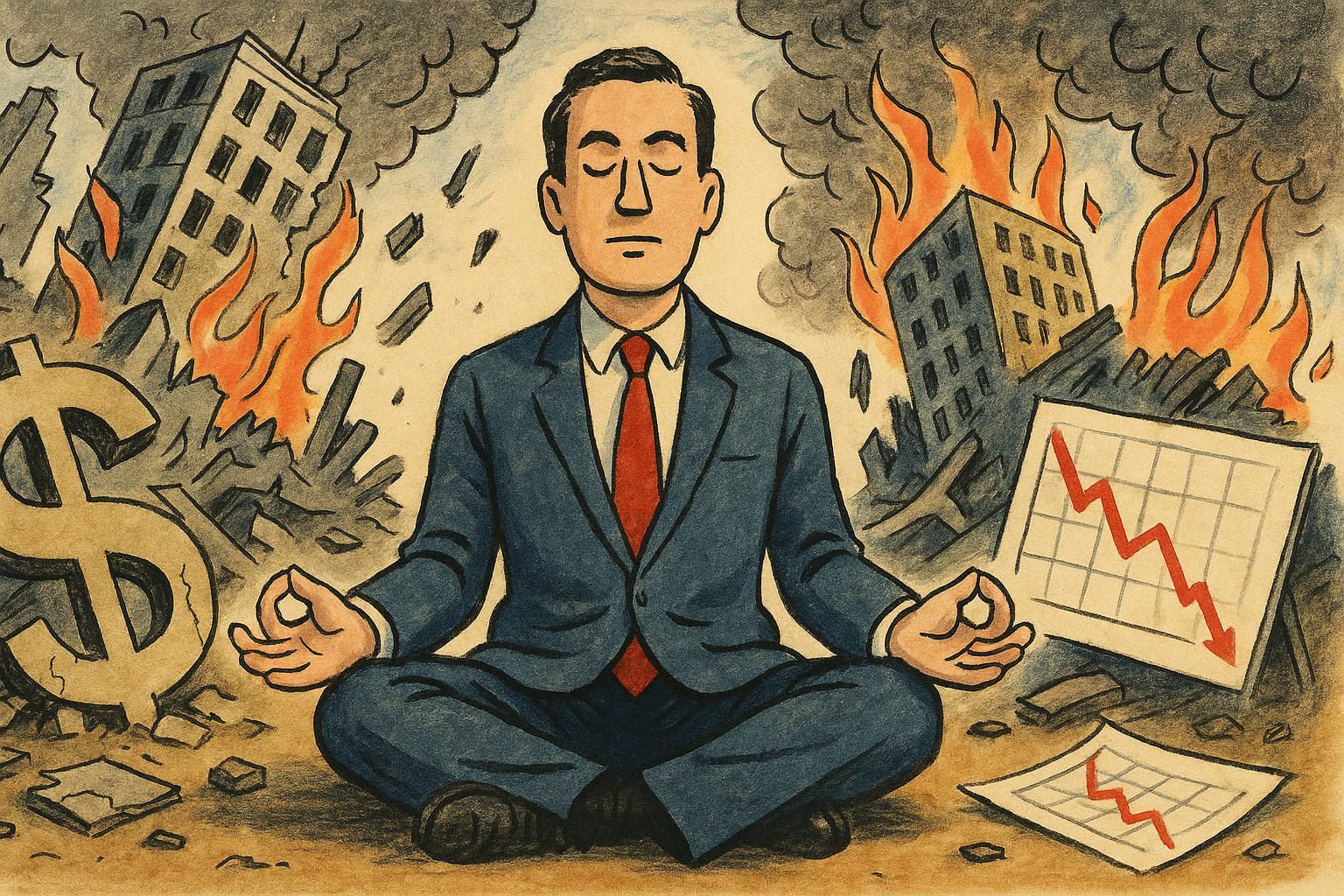
Nobody notices the collapse at first. The office lights still glow, laptops still hum, and polished presentations continue sliding across conference tables with practiced confidence. Yet beneath the calm surface, confidence has begun to crack. A major client walks away. Revenue shrinks. Rumors spread faster than verified facts. The strange truth is that businesses rarely fail the moment markets turn against them. They begin failing when leaders allow panic to replace judgment, turning temporary setbacks into permanent disasters through emotionally driven decisions.
Every organization eventually meets its breaking point. Supply chains fail without warning. Consumer preferences shift overnight. Trusted employees resign. Investors hesitate. None of those events automatically destroy a company. The real danger appears when fear narrows perspective. A worried executive often sees only immediate threats, sacrificing innovation for survival. That instinct feels sensible because uncertainty creates urgency. Yet history repeatedly shows that businesses with disciplined thinking often emerge stronger precisely because they refused to let anxiety dictate strategy.
Psychologist Carol Dweck introduced the idea of a growth mindset, arguing that challenges reveal opportunities to learn rather than reasons to surrender. That principle reaches far beyond classrooms. In business, resilience is less about enduring hardship than adapting intelligently. A calm mind remains curious while a fearful one becomes defensive. Decisions improve when leaders replace emotional certainty with thoughtful investigation. Questions begin replacing assumptions. Possibilities replace blame. That shift often changes the direction of an entire company before competitors even notice.
Haruto managed a regional food distribution company when transportation disruptions threatened every delivery route. Meetings quickly turned tense. Several department heads urged immediate layoffs to protect short-term cash flow. Haruto resisted the emotional rush. Instead, he invited frontline drivers into planning sessions because they understood daily challenges better than executives reading spreadsheets. Their practical suggestions uncovered overlooked delivery partnerships that stabilized operations. The business protected jobs, strengthened customer loyalty, and emerged with a more flexible supply network than before.
Corporate history offers similar lessons. During difficult periods, leaders at LEGO chose reinvention instead of surrender, simplifying operations while reconnecting with the creativity that originally defined the brand. Their recovery did not begin with perfect financial forecasts. It began with disciplined thinking under extraordinary pressure. The same pattern appears across enduring organizations. Successful recoveries often start with emotional stability rather than financial resources. Money can rebuild factories. A composed mindset rebuilds the confidence required to use those factories wisely.
Modern business rewards urgency, but urgency should never be mistaken for panic. Endless notifications, breaking headlines, and social media commentary create an illusion that every challenge demands an immediate reaction. They rarely do. Some of the strongest strategic decisions grow from deliberate pauses. A quiet afternoon spent examining uncomfortable evidence often creates more value than a week of frantic activity. Thoughtful restraint feels slow, yet it frequently becomes the fastest path toward meaningful recovery.
Leadership carries emotional weight that extends beyond financial performance. Employees study body language long before reading official announcements. Customers sense confidence through conversations, not slogans. Investors often evaluate composure as carefully as quarterly results. Emotional steadiness becomes contagious. So does fear. Leaders who remain grounded during uncertainty create space for better conversations, sharper thinking, and healthier collaboration. That atmosphere encourages innovation because people stop protecting themselves and begin solving problems together.
Somewhere beyond every business crisis stands a quieter possibility waiting to be discovered. The strongest organizations are rarely remembered because they avoided hardship. They are remembered because hardship revealed character that success had never needed to test. Every setback strips away comforting illusions until only judgment remains. That moment decides whether failure becomes an ending or the beginning of remarkable reinvention. The next storm will arrive eventually. Meet it with a mind that refuses to break before the business ever does.
