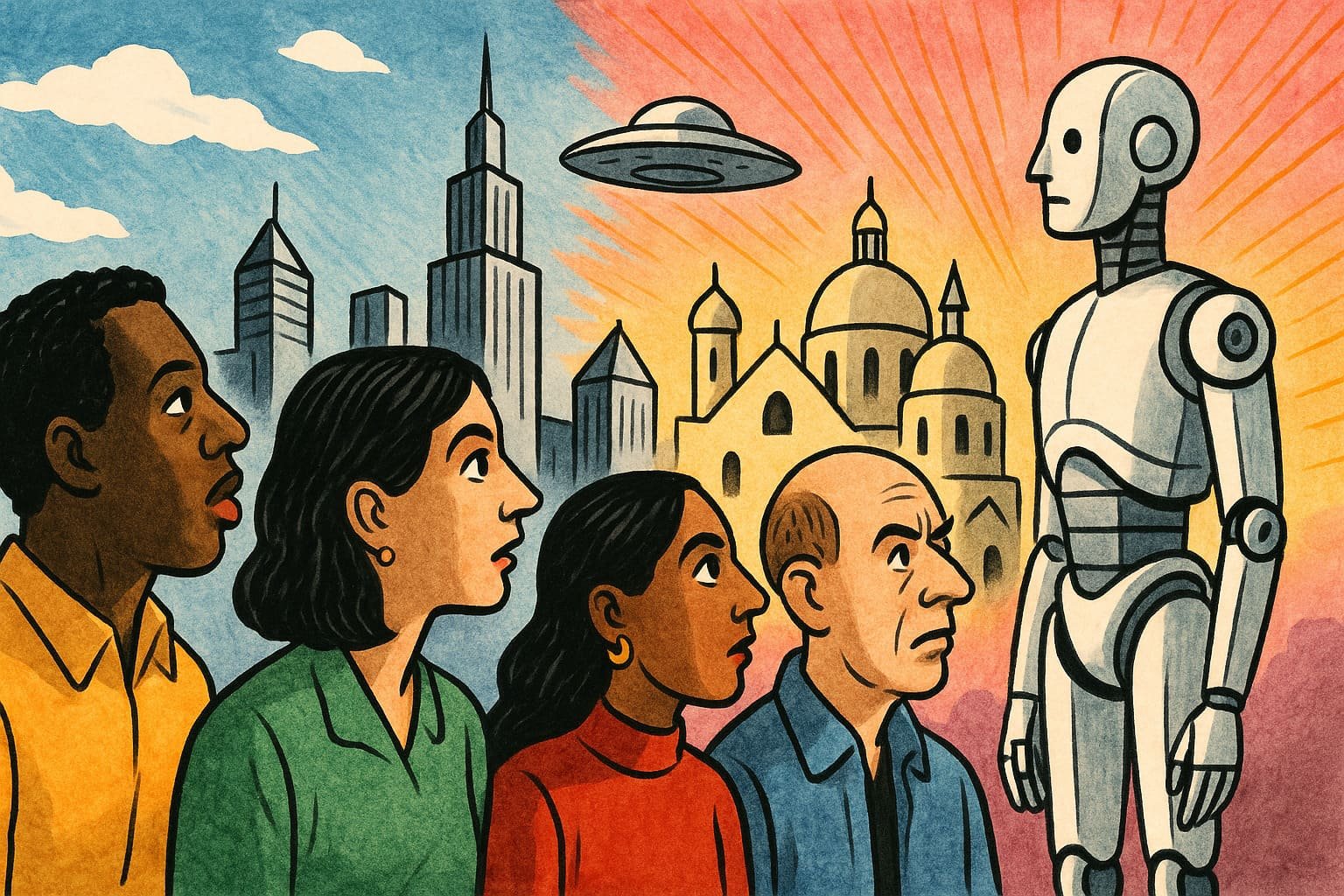
Curtains lifted inside a prototype studio where unfinished products rested beneath bright lamps like artifacts from tomorrow accidentally delivered today. Nobody debated colors or typography first. Conversation circled around habits that did not yet exist. Every sketch hinted at a possible future rather than a finished object, revealing that modern design increasingly shapes human behavior before markets, governments, or even consumers recognize lasting cultural change beginning.
Design has quietly expanded beyond creating attractive products. Today’s designers influence business models, healthcare experiences, education, transportation, financial services, and urban planning by imagining how people might live years before technology fully matures. Companies such as Apple, IDEO, and Tesla consistently demonstrate that enduring advantage comes from anticipating future behaviors rather than merely responding to present demand. Design therefore becomes an exercise in foresight, transforming uncertainty into practical decisions that organizations can confidently begin building today.
Lucien joined a startup developing digital tools for older adults living independently at home. Early prototypes impressed engineers with advanced features, yet trial participants ignored most of them. Designers spent days watching simple household routines instead of reviewing technical specifications. They discovered that reassurance mattered more than novelty. Small visual cues, familiar interactions, and predictable experiences created confidence, allowing technology to disappear naturally into everyday life instead of constantly demanding attention from already overwhelmed users.
Architecture offers a powerful parallel. Buildings designed today often remain in service for generations, forcing architects to anticipate changing demographics, environmental pressures, and evolving patterns of work. The same principle increasingly guides digital design. Microsoft explores inclusive design practices that recognize permanent human diversity rather than designing for an imaginary average user. This mindset encourages flexibility, resilience, and accessibility because tomorrow rarely unfolds exactly as planners expect, even when technological progress follows ambitious roadmaps.
Popular imagination often portrays designers as stylists polishing products after engineers finish building them. Reality looks almost reversed inside leading organizations. Designers increasingly ask uncomfortable questions before development begins. What behaviors deserve encouragement? Which habits create unintended harm? What relationships emerge between people and intelligent systems over time? Those conversations influence strategy, culture, and investment decisions long before physical products reach customers, making thoughtful design an essential driver of responsible innovation rather than decorative refinement.
Blueprints remained scattered across a broad worktable while evening shadows slowly stretched between unfinished ideas waiting for their moment to become ordinary reality. Every remarkable invention first existed as a possibility carried by someone willing to imagine consequences before celebrating capability. Tomorrow rarely appears without invitation. Every thoughtful design decision quietly nudges civilization toward one future while leaving countless others unexplored. Which world will your choices begin designing today?
