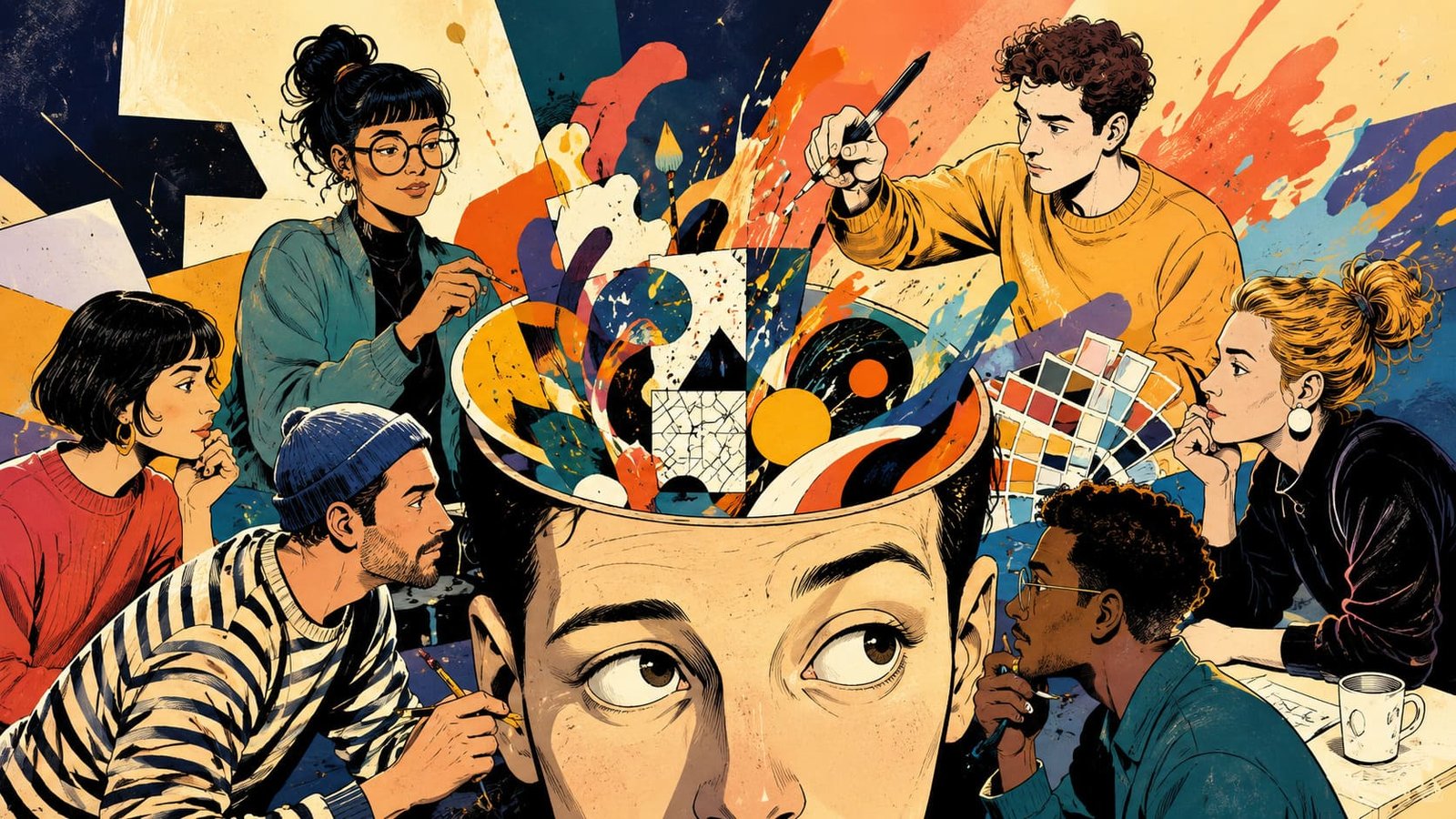
Morning light spilled across sketchbooks, unfinished prototypes, fabric swatches, camera lenses, and half-erased ideas scattered across creative studios that looked less like workplaces and more like laboratories for human imagination. Silence lingered differently inside these rooms. Not empty. Concentrated. The kind of silence created when someone is trying to redesign how strangers experience the world without ever meeting them directly. Abstract: The Art of Design understands something modern culture often forgets while worshipping speed and scale: design is not decoration. It is philosophy made physical.
The documentary series moves through architecture, illustration, footwear, automotive engineering, photography, stage design, and digital experience with unusual emotional intelligence. Each featured creator becomes more than an expert demonstrating technical mastery. They become evidence that thoughtful design shapes memory, behavior, emotion, identity, and even morality. A chair changes posture. A building alters mood. A font influences trust subconsciously. A sneaker transforms cultural belonging. The show quietly argues that civilization itself is designed long before most people notice its influence. Streets, apps, offices, advertisements, homes, and rituals all emerge from human choices hidden beneath daily routine.
Tinker Hatfield’s episode remains especially revealing because it dismantles the myth that creativity emerges from pure inspiration alone. Hatfield approaches sneaker design almost like storytelling fused with engineering psychology. He studies movement, emotion, rebellion, aspiration, and athletic mythology simultaneously. Watching him discuss the creation of iconic shoes feels strangely philosophical because the conversation is never really about footwear. It becomes about identity construction. People rarely buy products for functional reasons alone. They buy emotional narratives attached to objects. That insight echoes far beyond fashion. Entire industries now compete to design meaning itself.
A young industrial designer named Emilia Novak once spent months redesigning hospital waiting rooms after watching her father undergo cancer treatment. She noticed something most administrators ignored completely. Patients became emotionally exhausted not only from illness but from environmental coldness. Harsh lighting. Rigid seating. Endless beige walls. Emilia introduced softer textures, warmer color gradients, natural light flow, and small privacy structures that subtly reduced anxiety levels. Nurses later reported calmer interactions among families waiting during stressful procedures. Emilia eventually said the project taught her a life-altering truth: design either expands dignity or quietly removes it. Abstract thrives on these deeply human realizations.
The series also exposes how creativity often emerges through tension rather than comfort. Great designers obsess. They doubt themselves. They scrap brilliant ideas because something invisible still feels emotionally wrong. Creativity here is not portrayed as effortless genius descending from heaven. It resembles disciplined emotional sensitivity sharpened through repetition and frustration. Bjarke Ingels approaches architecture with playful futurism while carrying immense structural seriousness beneath the charisma. Paula Scher treats typography almost like psychological choreography. Platon photographs world leaders in ways that reveal fragility hiding beneath power. The common thread is not style alone. It is attention. Extreme, almost spiritual attention.
There is another reason the series feels unusually important in modern culture. It rejects disposable thinking. Contemporary systems reward rapid production, algorithmic sameness, and optimization stripped of emotional texture. Abstract moves in the opposite direction. It celebrates craftsmanship, intentionality, and the courage to think deeply in a distracted age. That philosophy becomes strangely radical now. Many organizations obsess over productivity while neglecting atmosphere entirely. Yet atmosphere shapes behavior constantly. Office layouts influence collaboration. Interface design influences trust. Urban planning influences loneliness. Design is never neutral because human experience itself is never neutral.
A creative director named Farah El Amin once described consulting for a technology company whose app retained users poorly despite excellent engineering. Executives initially blamed marketing inefficiency. Farah observed something subtler. The interface felt emotionally hostile. Buttons created anxiety. Navigation lacked rhythm. Small delays disrupted cognitive flow. After redesigning the experience around emotional ease rather than technical spectacle, engagement shifted dramatically. Farah later remarked that most businesses underestimate how deeply people crave elegance and coherence in chaotic environments. Abstract understands this instinctively. Good design does not merely impress the eye. It changes emotional behavior without announcing itself loudly.
The documentary also functions as a quiet rebellion against shallow expertise culture. The featured designers rarely speak like motivational influencers chasing viral applause. They sound reflective, obsessive, occasionally insecure, deeply curious. Their authority comes from lived process rather than performance theater. Watching them work feels oddly intimate because audiences witness thought itself unfolding. Sketches fail. Models collapse. Concepts evolve unexpectedly. The show restores mystery to creative labor in an era where social media often reduces artistry into instant consumption and aesthetic branding.
Somewhere tonight another designer still adjusts tiny details nobody else may consciously notice tomorrow. A photographer studies shadow angles while cities sleep outside the studio window. An architect redraws a staircase because movement through space should feel slightly more human. Coffee cools beside unfinished ideas. Silence gathers softly around concentration. That is the quiet magic beneath Abstract: The Art of Design. The series reveals that thoughtful creators are not simply producing objects for consumption. They are shaping emotional reality itself, building invisible frameworks that influence how people feel, remember, trust, desire, and belong. Long after trends fade and platforms disappear, human beings will still hunger for spaces, images, and experiences that make existence feel more intentional, more beautiful, and somehow more alive.
Editorial Disclaimer: Whether a TV Show is rooted in fiction or inspired by real events, the actions, decisions, and behaviors portrayed within are not intended to be encouraged, replicated, or endorsed in real-world settings. This review exists solely to analyze the storytelling, characters, themes, and business dynamics presented in the TV Show for educational, analytical, and entertainment purposes. Any ethical or unethical conduct depicted in the TV Show does not reflect the views, values, or endorsements of ESYRITE.
