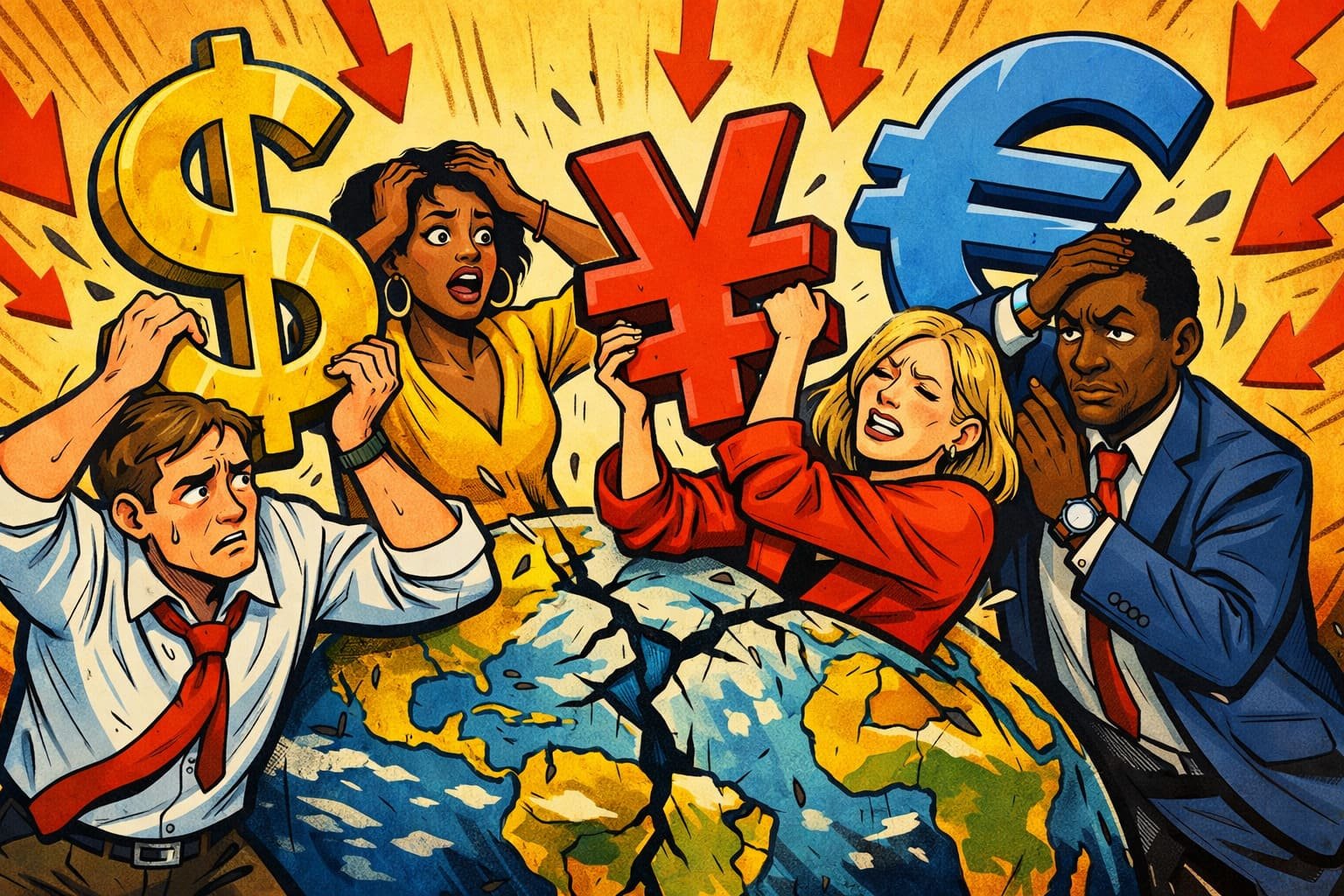
A currency trader glances at flashing exchange rates while a café owner quietly rewrites tomorrow’s menu prices with a pencil instead of a pen. Neither expects certainty anymore. Every movement in foreign exchange markets echoes through shipping contracts, supermarket shelves, loan repayments, and family budgets. What appears as a tiny adjustment on a financial screen can ripple across entire economies within days. Exchange rates are no longer distant concerns reserved for central bankers. They have become everyday business realities demanding careful attention.
Currencies rarely weaken because of a single event. Investors evaluate inflation, fiscal discipline, political stability, interest rate expectations, export performance, and external debt before deciding where capital should flow. When confidence fades, money often leaves emerging markets for perceived safety elsewhere. That movement raises borrowing costs, increases import prices, and places fresh pressure on businesses already balancing narrow profit margins. Financial resilience becomes less about predicting markets and more about surviving volatility without abandoning long-term strategic goals.
Turkey offers a vivid illustration of how sustained currency weakness can reshape commercial life. Businesses dependent on imported machinery or raw materials watched costs climb while consumers struggled with declining purchasing power. A similar challenge confronted Nadia, who imported specialty coffee for independent cafés. Every shipment became more expensive before reaching local warehouses. Rather than chasing shrinking margins, she negotiated longer supplier agreements and expanded locally sourced products, protecting customer relationships while reducing exposure to unpredictable exchange rate swings.
Corporate finance teaches an important lesson during periods of currency instability. Revenue earned in local currency may lose value when obligations must be settled in stronger foreign currencies. Companies carrying significant dollar-denominated debt often experience greater financial stress as exchange rates deteriorate. Unilever has frequently managed this challenge through geographic diversification, allowing earnings from multiple regions to balance localized currency movements. Diversification becomes more than expansion. It becomes a practical form of financial insurance against unpredictable macroeconomic conditions.
Another story unfolded inside Rafael’s agricultural export business. Currency depreciation initially appeared beneficial because overseas buyers suddenly found his products more affordable. Celebration proved short lived. Imported fertilizer, packaging materials, and transport expenses quickly became more expensive, offsetting much of the competitive advantage. Rafael responded by investing in local supplier partnerships and improving inventory planning. Profitability returned not because exchange rates improved, but because operational discipline replaced dependence on favorable market conditions beyond his control.
Harbor cranes continue lifting containers beneath restless skies where global commerce never truly sleeps. Currencies will keep rising and falling because confidence, trade, and capital are always searching for new equilibrium. Businesses cannot eliminate foreign exchange risk, yet they can prepare for its consequences with stronger financial planning and thoughtful diversification. Resilience belongs to organizations treating volatility as a permanent feature rather than an occasional interruption. Wise leaders build stability before markets remind everyone why preparation always costs less than panic.
