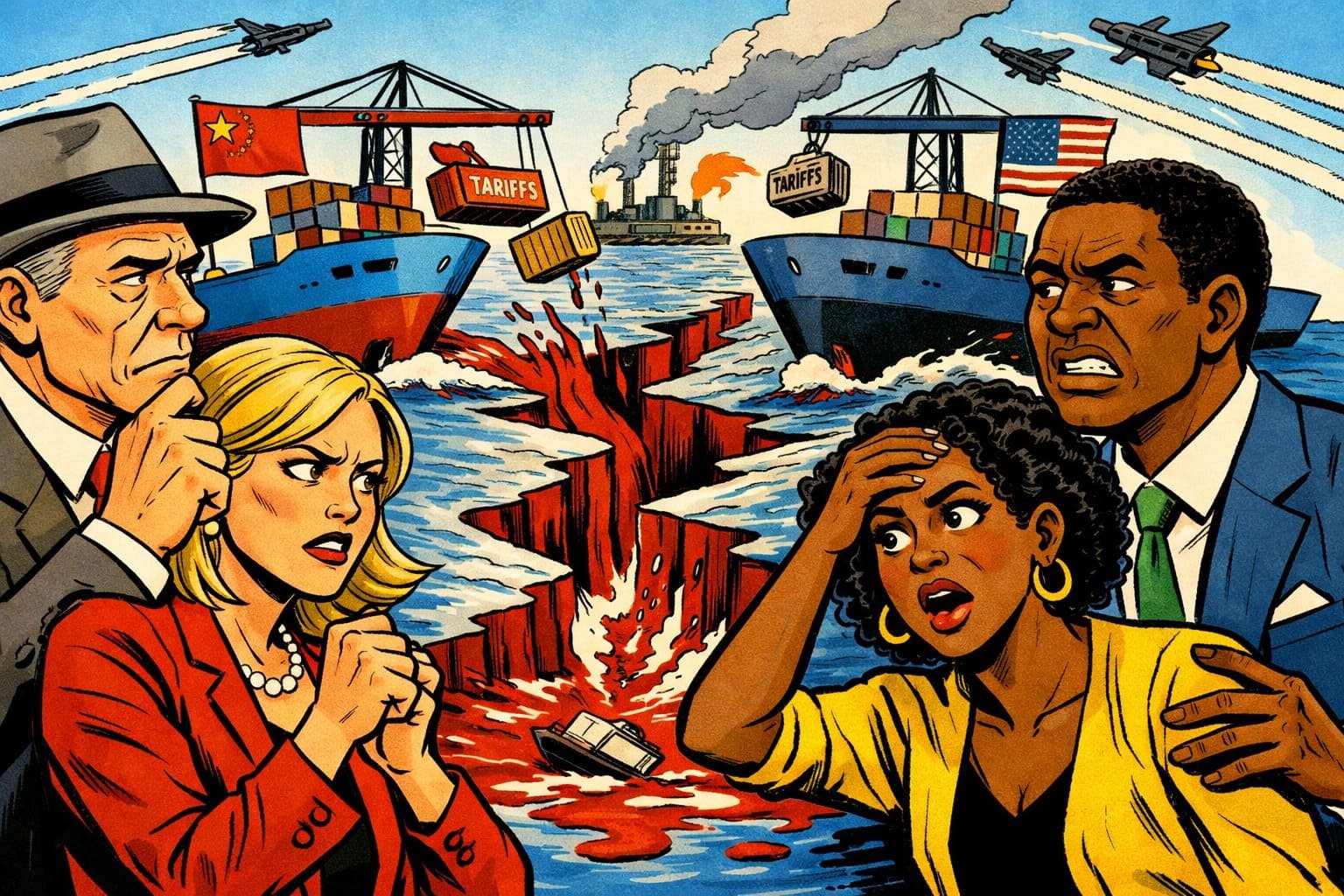
Shipping containers stretch across a sprawling port like brightly colored dominoes waiting for an unseen hand. Cranes pause between movements, customs officers scan fresh paperwork, and executives halfway across the world refresh spreadsheets that suddenly no longer make sense. Tariff wars rarely begin with dramatic headlines alone. They begin with policy signatures that quietly change the price of crossing a border. Within weeks, those decisions ripple through manufacturers, retailers, investors, and households that never expected global politics to shape an ordinary shopping basket.
Tariffs are often presented as shields protecting domestic industries from unfair competition. Supporters argue they encourage local production, strengthen strategic sectors, and reduce dependence on foreign suppliers. Critics see another reality. Import taxes frequently increase production costs for businesses relying on international components, forcing higher prices throughout supply chains. Consumers ultimately shoulder much of that burden while exporters face retaliatory barriers abroad. Trade policy, despite patriotic language, often becomes an accounting exercise measured in thinner margins, slower investment, and more expensive goods.
Corporate finance departments understand this tension with remarkable clarity. When tariffs alter input costs, every procurement contract, inventory forecast, and capital budgeting model requires immediate revision. Apple has repeatedly diversified portions of its manufacturing footprint beyond China to reduce geopolitical and tariff-related risks. Nike has pursued similar adjustments by expanding production across several countries rather than concentrating exposure in one location. These decisions are not driven only by labor costs. They reflect sophisticated financial risk management built around an increasingly fragmented global trading system.
Diego operated a growing manufacturer supplying industrial machinery to agricultural businesses across multiple countries. A newly announced tariff suddenly made imported steel far more expensive, while export customers faced fresh duties in neighboring markets. Instead of waiting for conditions to improve, he renegotiated supplier agreements, sourced materials from alternative regions, and redesigned several products using more readily available inputs. Customers appreciated uninterrupted deliveries despite higher market uncertainty. Flexibility became the company’s strongest competitive advantage because adaptation moved faster than political negotiations.
Economists have long observed that trade restrictions create both visible winners and less visible losers. Protected industries may enjoy temporary relief, yet downstream manufacturers often absorb higher costs that weaken competitiveness elsewhere. Investors therefore examine supply chain resilience alongside traditional financial indicators such as earnings growth and debt levels. Accountants also confront changing inventory valuations and procurement costs as businesses restructure sourcing strategies. Every tariff quietly reshapes financial assumptions long before annual reports reveal the full economic consequences.
Fog settles over distant cargo ships waiting patiently beyond crowded harbors, their destinations suddenly less certain than their captains expected only weeks before. Every delayed shipment tells a larger story about confidence, cooperation, and the invisible architecture supporting global commerce. Tariff wars rarely end when signatures dry on official documents. Their deepest effects linger inside factory floors, household budgets, and investment decisions that continue unfolding for years. Prosperity travels most freely when trade routes carry trust as confidently as cargo.
