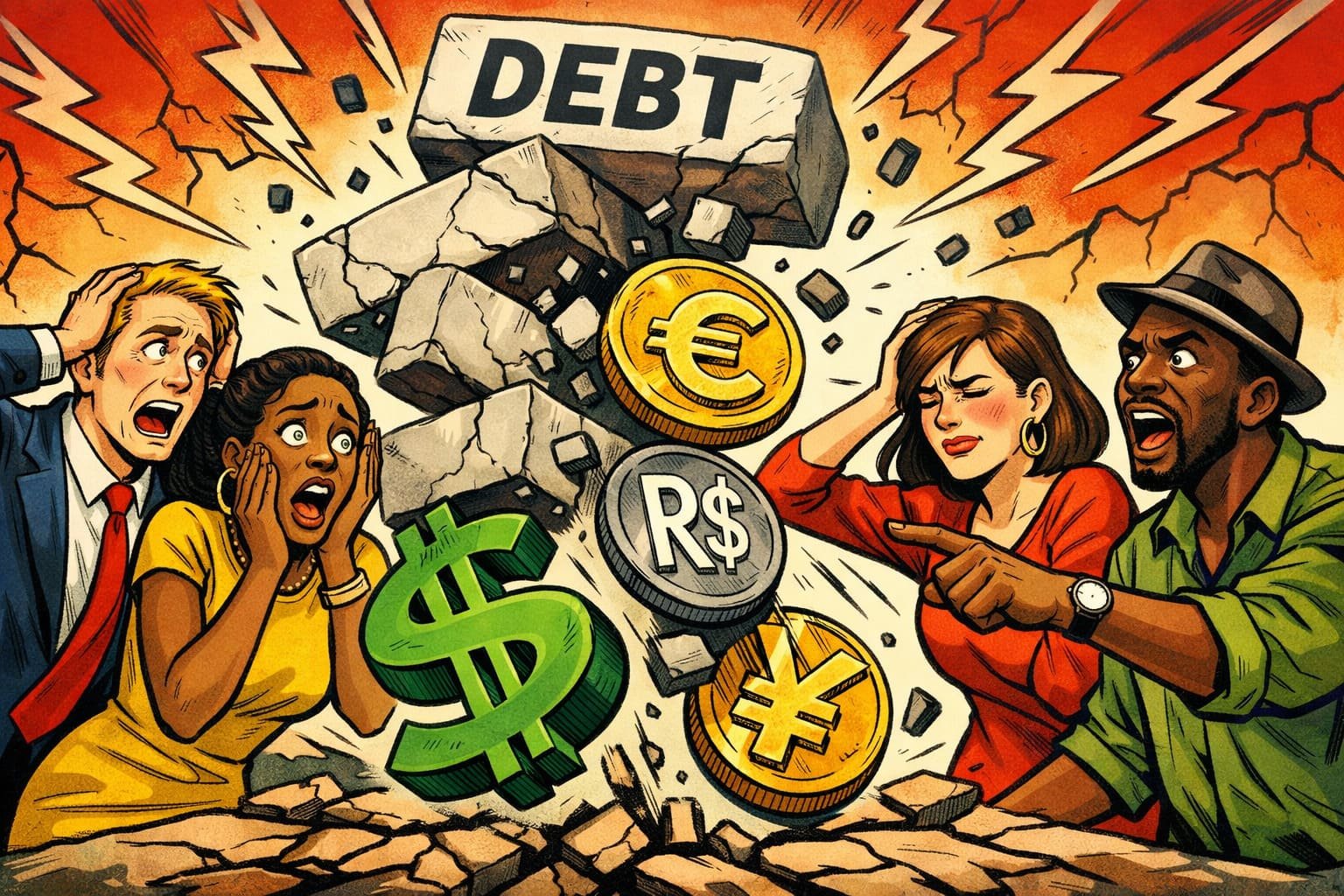
Currency exchange boards flickered outside crowded banks while anxious customers refreshed mobile banking apps with growing disbelief. Every movement in the exchange rate felt personal. Importers recalculated invoices before breakfast, families watched savings lose purchasing power by dinner, and investors searched for safer destinations before another trading session closed. A weakening currency rarely announces itself with drama. It arrives quietly, then slowly rearranges the financial reality of millions.
Emerging markets often benefit from rapid economic growth, youthful populations, and expanding industries, yet they also face unique financial vulnerabilities. Many governments and corporations borrow in foreign currencies because international financing offers attractive opportunities during stable periods. Trouble begins when local currencies weaken or global interest rates rise. Debt repayments suddenly become more expensive, investor confidence fades, and central banks confront difficult choices between defending currencies, controlling inflation, or supporting domestic economic growth.
Argentina has repeatedly illustrated how fragile this balance can become. Currency depreciation, inflation, and sovereign debt pressures have repeatedly challenged businesses and households despite periods of economic reform. Miguel operated a family business importing industrial machinery for local manufacturers. Contracts signed months earlier suddenly became unprofitable because equipment priced in foreign currency cost dramatically more before shipments even reached the port. Customers blamed suppliers, suppliers blamed exchange rates, and everyone struggled to protect shrinking margins.
Corporate finance becomes considerably more complex when currencies lose stability. Businesses carrying foreign-denominated debt experience rising liabilities even if borrowing remains unchanged. Accountants must recognize exchange rate movements that directly affect profitability, cash flow, and financial reporting. Companies with diversified export earnings often withstand these pressures better because stronger foreign currency revenues naturally offset repayment obligations. Firms relying entirely on domestic income rarely enjoy the same protection when exchange markets become increasingly volatile.
History shows that investor psychology can amplify economic stress faster than underlying fundamentals alone. Once confidence weakens, capital often leaves rapidly, placing additional pressure on already vulnerable currencies. Textile manufacturer Nadia experienced this painful cycle after overseas lenders tightened financing conditions following negative market sentiment. Her factory remained productive, employees continued delivering quality work, and customer demand stayed healthy. Access to affordable financing disappeared anyway because confidence had become scarcer than opportunity.
Harbor lights shimmered across cargo ships waiting patiently beneath uncertain skies, each vessel carrying goods, ambitions, and financial risks that stretched far beyond any single shoreline. Strong economies are not measured only by growth during favorable seasons, but by resilience when global financial tides suddenly shift. Emerging markets continue offering remarkable opportunity, yet sustainable prosperity depends upon disciplined borrowing, credible institutions, and enduring investor trust. Currencies can recover, but confidence always demands the longest journey home.
