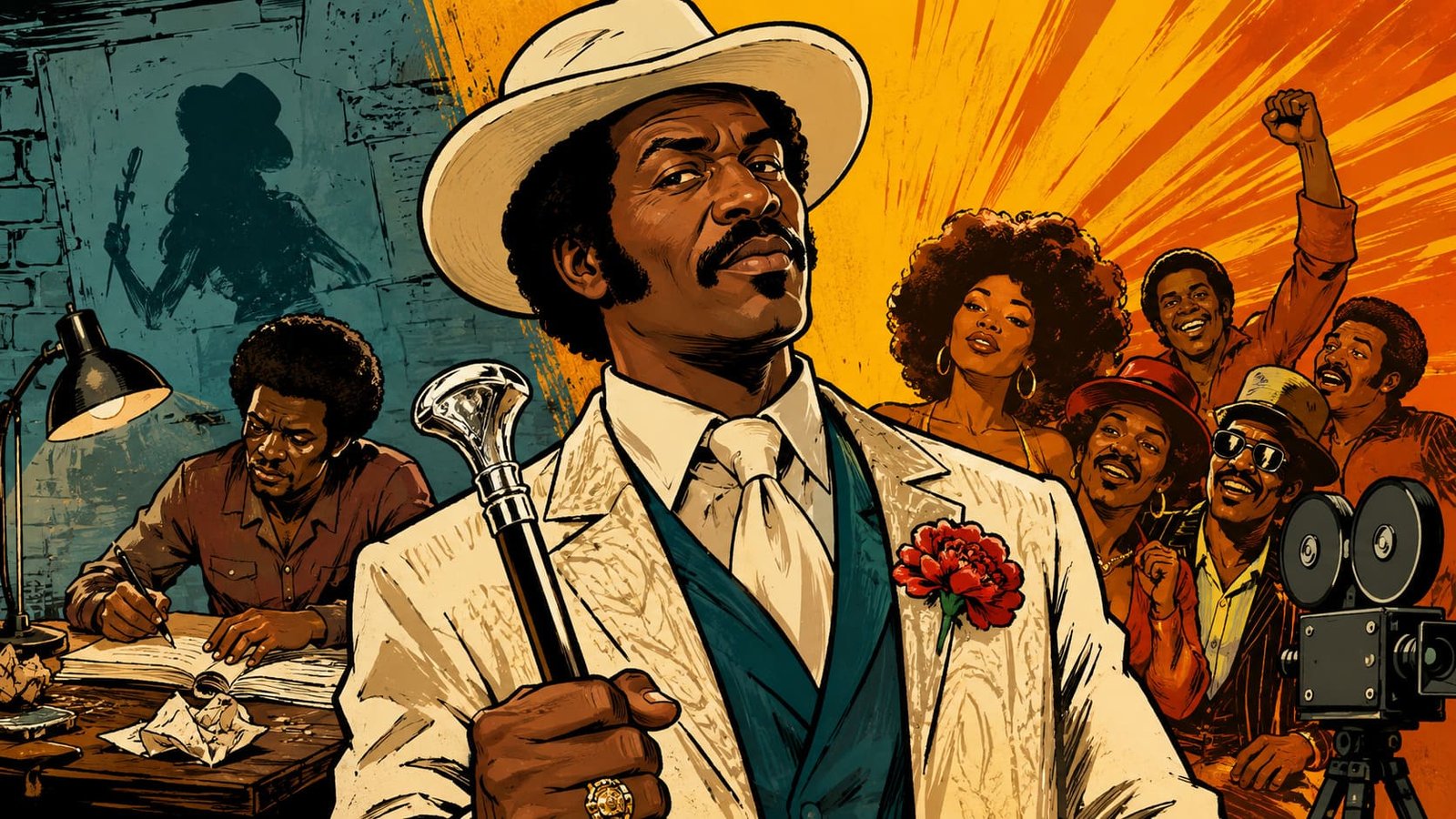
Hollywood shimmered like a slot machine promising salvation to desperate dreamers. Neon signs glowed above sidewalks sticky with spilled liquor, cigarette ash, and broken fantasies. Aspiring comics rehearsed punchlines beside payphones while producers in velvet jackets dismissed talent with the casual boredom of kings selecting dinner wine. Somewhere in the middle of that glittering circus, men with strange voices and impossible confidence kept showing up anyway. That persistence carried its own electricity. The city respected success eventually, but it worshipped audacity first.
Dolemite Is My Name charges into that atmosphere with joyful chaos and surprising emotional depth. Directed by Craig Brewer and powered by an extraordinary performance from Eddie Murphy as Rudy Ray Moore, the film chronicles the rise of a struggling entertainer who transforms rejection into cultural mythology. Most films about creative success focus on polished genius. This one celebrates messy persistence. That distinction gives the story unusual power because real innovation often looks ridiculous before history reframes it as visionary.
Rudy Ray Moore understands something modern branding experts spend fortunes trying to rediscover: audiences crave authenticity more than perfection. He lacks traditional industry polish. His jokes are vulgar. His performances stumble occasionally. Yet people remember him because he radiates conviction strong enough to bend reality around itself. The entertainment establishment dismisses him repeatedly because he refuses elite cultural standards. Instead of adapting himself to fit the system, he builds a parallel universe where his weirdness becomes the product. That strategy feels startlingly modern in an age where creators increasingly bypass gatekeepers entirely.
A podcast producer in Atlanta named Rochelle spent years pitching thoughtful documentary projects to media executives who praised her “voice” while rejecting every proposal as commercially risky. During one particularly humiliating meeting, a senior producer suggested adding celebrity gossip segments to make her work “more digestible.” Rochelle left furious, bought secondhand recording equipment, and launched an independent storytelling series from her apartment closet surrounded by winter coats for soundproofing. The show exploded slowly through word of mouth because listeners recognized emotional honesty impossible to manufacture artificially. Years later she admitted the strange gift of rejection was clarity. “Once nobody respectable expected anything,” she said laughing softly over burnt coffee, “freedom finally walked into the room.” Dolemite Is My Name thrives inside that exact spirit.
The film also operates as a sharp critique of cultural elitism. Hollywood repeatedly underestimates working-class audiences because powerful institutions often confuse sophistication with emotional truth. Rudy’s material shocks establishment figures while deeply connecting with ordinary people hungry for humor reflecting their actual lives. That tension still defines modern media ecosystems. Entire industries obsess over prestige while internet creators build loyal audiences through raw relatability. People rarely fall in love with content because it feels technically perfect. They fall in love because it feels alive.
Eddie Murphy delivers one of the most emotionally intelligent performances of his career because he refuses to portray Rudy as merely eccentric. Beneath the flamboyance sits a man terrified of invisibility. That fear feels painfully universal. Creative ambition often begins as a refusal to disappear quietly. Rudy keeps reinventing himself because obscurity feels spiritually unbearable. The film captures the exhausting emotional labor behind artistic persistence beautifully. Rejection accumulates slowly like scar tissue. Smiles become survival tactics. Confidence turns partly performative because doubt threatens momentum constantly.
One unforgettable sequence involving the chaotic production of Rudy’s independent film radiates pure entrepreneurial madness. Crew members improvise around missing equipment. Dialogue collapses unexpectedly. Actors stumble through scenes while determination somehow keeps everything moving forward. It resembles countless startups surviving through stubborn energy rather than institutional support. Modern business culture worships polished founders standing beneath perfect lighting during investor presentations. Dolemite Is My Name reminds viewers that many revolutionary projects begin looking embarrassingly amateurish to outsiders.
A bakery owner in Lisbon named Mateo once spent nearly every remaining euro he had opening a tiny late-night dessert shop after losing his corporate hospitality job. Influencers mocked the branding online initially because the logo looked homemade and the interior furniture came from thrift stores. Mateo ignored the ridicule and focused obsessively on creating warm experiences for exhausted night-shift workers. Taxi drivers began bringing customers. Nurses stopped by after hospital shifts. Musicians filled the space after midnight performances. Within a year, wealthier competitors started copying the exact atmosphere they once laughed at. Mateo described the transformation with amused disbelief. “People confuse polish with soul all the time,” he said while frosting pastries at dawn. Rudy Ray Moore would have recognized the pattern instantly.
The movie also explores friendship and collaboration with refreshing tenderness. Rudy’s team supports his madness not because success seems guaranteed but because belief itself becomes contagious. Creative communities often survive through emotional faith long before financial rewards appear. One actor practices lines inside cramped apartments while another fixes costumes with tape and exhausted optimism. Those details matter because genuine artistic movements rarely emerge from comfort. They emerge from shared obsession stitched together with improvisation and stubborn hope.
As the story reaches its triumphant final stretch, Los Angeles still hums with vanity, rejection, and desperate ambition. Somewhere another struggling creator performs for indifferent crowds while executives dismiss originality as market risk. Yet Dolemite Is My Name leaves behind a realization too rebellious for respectable institutions to fully contain: history often belongs to the people strange enough to continue creating after polite society already decided they should quit. And once someone stops asking permission to exist loudly, even failure starts sounding dangerously close to freedom.
Editorial Disclaimer: Whether a film is rooted in fiction or inspired by real events, the actions, decisions, and behaviors portrayed within are not intended to be encouraged, replicated, or endorsed in real-world settings. This review exists solely to analyze the storytelling, characters, themes, and business dynamics presented in the film for educational, analytical, and entertainment purposes. Any ethical or unethical conduct depicted in the film does not reflect the views, values, or endorsements of ESYRITE.
