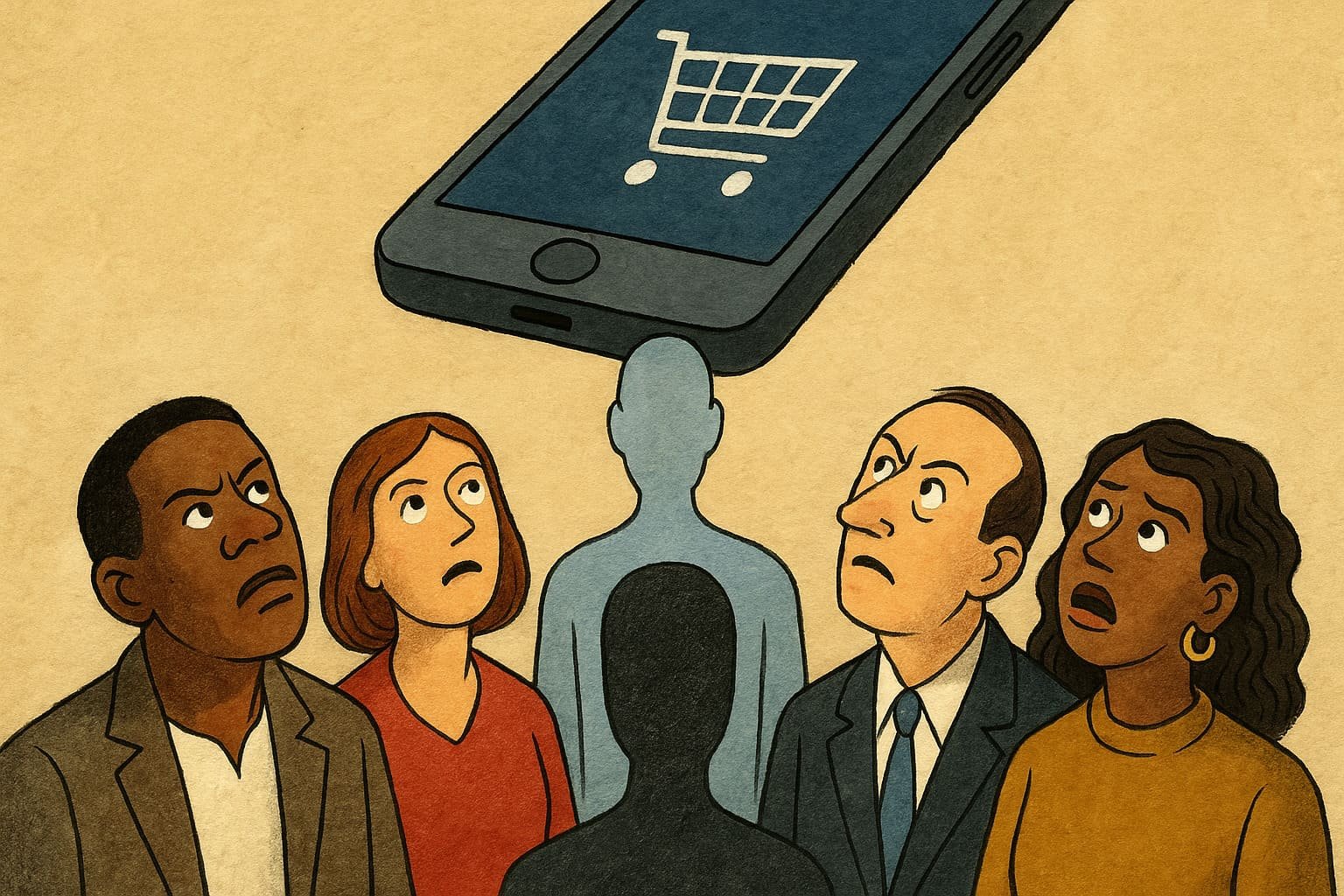
Auction paddles rose beneath crystal chandeliers as collectors competed fiercely for paintings they would never physically touch. Ownership certificates changed hands in seconds while the artwork itself remained locked inside climate-controlled vaults far away. Applause echoed anyway because possession had quietly detached from physical experience. That strange scene captures a deeper transformation unfolding across modern life. Increasingly, people own subscriptions instead of products, licenses instead of objects, and access instead of permanence, reshaping what ownership truly means.
For generations, ownership implied control. Books sat on shelves, music filled personal collections, software arrived in boxes, and photographs rested inside family albums. Digital ecosystems have gradually replaced that certainty with conditional access. Movies disappear when streaming rights expire, purchased applications lose support, cloud services change terms without negotiation, and digital assets often remain governed by platforms rather than the people who paid for them. Convenience has quietly rewritten the relationship between possession and permission.
Spotify transformed music consumption by giving listeners instant access to enormous catalogs without requiring physical collections or downloaded libraries. Adobe shifted creative software toward subscription models that provide continuous updates while reducing permanent ownership of licensed tools. Both companies created remarkable customer value through accessibility and constant improvement. They also illustrate a broader transition where long-term access increasingly depends upon ongoing commercial relationships instead of one-time purchases.
Helena built a treasured digital movie collection over many years, assuming it would remain part of her family’s memories forever. Licensing agreements later removed several favorite titles from the platform where they had been purchased, leaving payment records intact but cherished films inaccessible. Across another profession, architect Naveed relied on cloud-based design software that temporarily locked his projects after a billing issue interrupted account access. His work still existed, yet practical control rested elsewhere until service resumed.
Businesses increasingly embrace access-based models because recurring relationships encourage continuous innovation, predictable revenue, and closer engagement with customers. Those advantages are genuine. They should not obscure equally important conversations about portability, consumer rights, interoperability, and digital inheritance. Healthy markets require trust that extends beyond convenience. Ownership retains meaning when individuals preserve reasonable control over creations, purchases, and personal information regardless of changing commercial arrangements.
Moonlight shimmered across an abandoned mansion whose grand rooms remained filled with furniture nobody could truly claim after generations of legal disputes. Possession had survived longer than certainty. Digital economies risk creating similar uncertainty if access quietly replaces agency without thoughtful safeguards. Progress should expand human freedom rather than redefine it through invisible conditions hidden inside endless agreements. When everything valuable lives behind someone else’s digital gate, what does it really mean to say that anything belongs to you?
