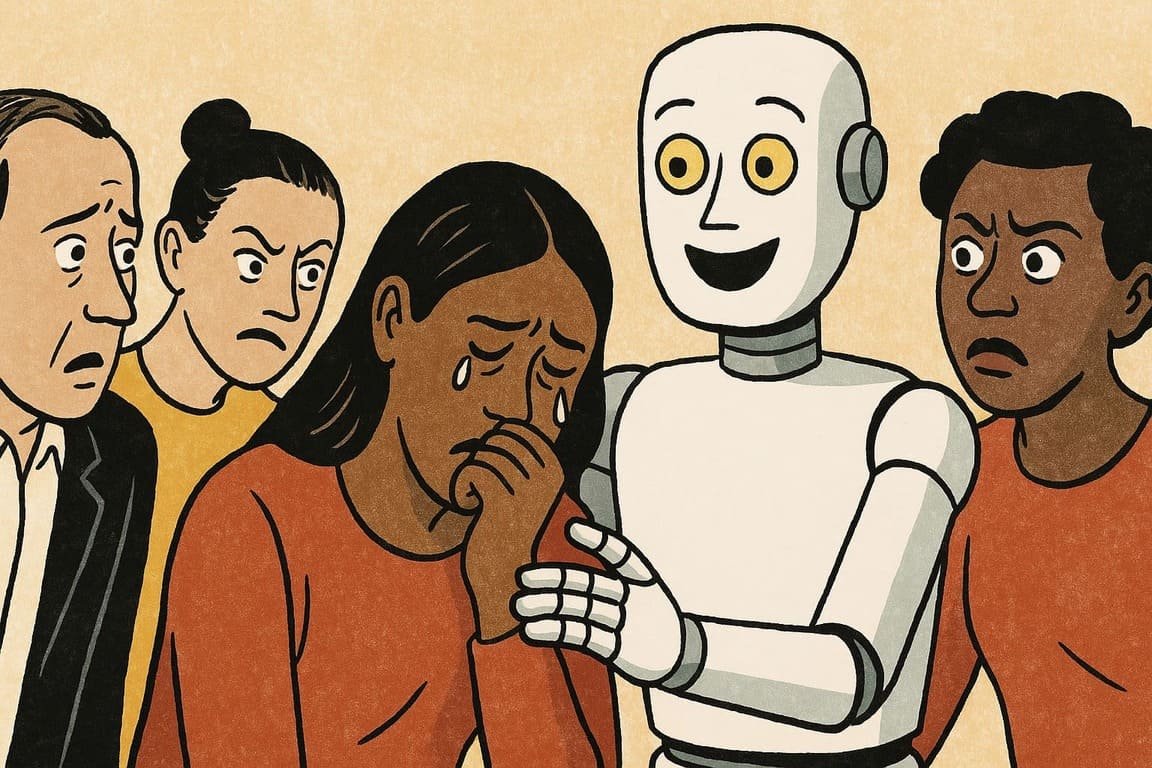
Velvet curtains framed a packed theater where every actor delivered flawless expressions without ever feeling the emotions they portrayed. Applause filled the hall anyway because convincing performance often matters more than authentic experience. Modern artificial intelligence now occupies a similar stage. Digital assistants apologize, chatbots offer encouragement, customer service systems recognize emotional language, and therapeutic applications respond with remarkable sensitivity, creating an unsettling question. When empathy becomes computationally convincing, does emotional authenticity still matter?
Human empathy emerges through shared experience, vulnerability, memory, and genuine emotional investment. Algorithms follow a different path. They identify linguistic patterns, vocal tones, facial expressions, and behavioral signals before predicting responses most likely to comfort, reassure, or calm another person. Results can feel astonishingly personal. Yet prediction is not feeling. Machines simulate understanding through probability rather than lived experience, making emotional interaction increasingly effective while remaining fundamentally different from human compassion.
Microsoft has invested heavily in conversational artificial intelligence designed to improve customer interactions by recognizing emotional context instead of merely processing requests. Woebot has demonstrated how conversational software can support mental well-being by guiding users through structured psychological techniques derived from cognitive behavioral therapy. Both examples highlight meaningful progress. Neither suggests machines possess emotions. Their success comes from carefully designed systems that help people feel heard while extending access to support where human resources remain limited.
Anika contacted an airline after a cancelled flight disrupted plans to attend her grandmother’s funeral. The virtual assistant responded with carefully chosen words that acknowledged frustration, explained available options, and resolved the booking faster than previous experiences with human support agents. Relief arrived first. Reflection followed later when she realized every comforting phrase had been generated without sorrow, sympathy, or personal understanding. Across another setting, teacher Rafael watched anxious students openly discuss exam stress with an educational chatbot before finding the confidence to speak honestly with school counselors.
Organizations should not judge artificial empathy by asking whether machines genuinely care. Better questions concern transparency, appropriate use, and healthy boundaries. Emotional simulation becomes valuable when it connects people to meaningful assistance rather than replacing authentic human relationships. Problems arise when performance disguises itself as genuine emotional experience or when efficiency quietly substitutes for compassion in places where humanity remains essential. Technology should amplify care, not redefine it beyond recognition.
Candles flickered inside an empty rehearsal studio after performers had departed, leaving costumes, scripts, and echoes suspended in thoughtful stillness. Every role had been played with extraordinary skill, yet only those who lived beyond the stage carried real memories home. Artificial empathy may become increasingly persuasive, even comforting, but human connection still begins where performance ends and shared experience quietly takes its place. When every comforting voice sounds perfect, how will you recognize the one that truly understands?
