Confetti drifted across a convention hall where thousands of strangers cheered in perfect unison after a single message flashed across enormous screens. Nobody asked who started the chant. Nobody paused to question why complete strangers suddenly felt like lifelong allies. Shared belief had arrived before shared history. Digital communities now form with astonishing speed, transforming isolated individuals into coordinated tribes whose influence reaches markets, politics, entertainment, and culture long before traditional institutions even notice they exist.
Human beings have always gathered around common identities. Geography, family, religion, profession, and nationality once shaped belonging. Digital platforms introduced a different architecture. Communities now emerge around ideas, creators, hobbies, investments, games, social causes, and even passing internet jokes. Distance no longer limits participation. Emotional momentum does. Once enough people amplify the same message, online identity often becomes stronger than physical proximity, creating remarkable solidarity alongside equally remarkable polarization.
Reddit has become home to countless communities that collectively investigate mysteries, recommend products, influence financial markets, and elevate overlooked creators into global visibility. Discord has evolved far beyond gaming, enabling startups, educators, artists, and open-source developers to build highly engaged communities centered on shared missions rather than physical locations. Both platforms demonstrate an important shift. Modern influence increasingly flows through participation instead of hierarchy, allowing committed communities to shape industries from the bottom upward.
Farida launched a niche coffee roasting business with little advertising budget but invested deeply in building an online community where customers shared brewing experiments, tasting notes, and roasting advice. Sales grew steadily because buyers no longer felt like consumers. They became contributors to a shared story. Across another corner of the internet, software developer Kenji joined an open-source programming community expecting technical guidance. Instead, he discovered mentors, collaborators, close friendships, and eventually the co-founders of his future company. Community quietly became opportunity.
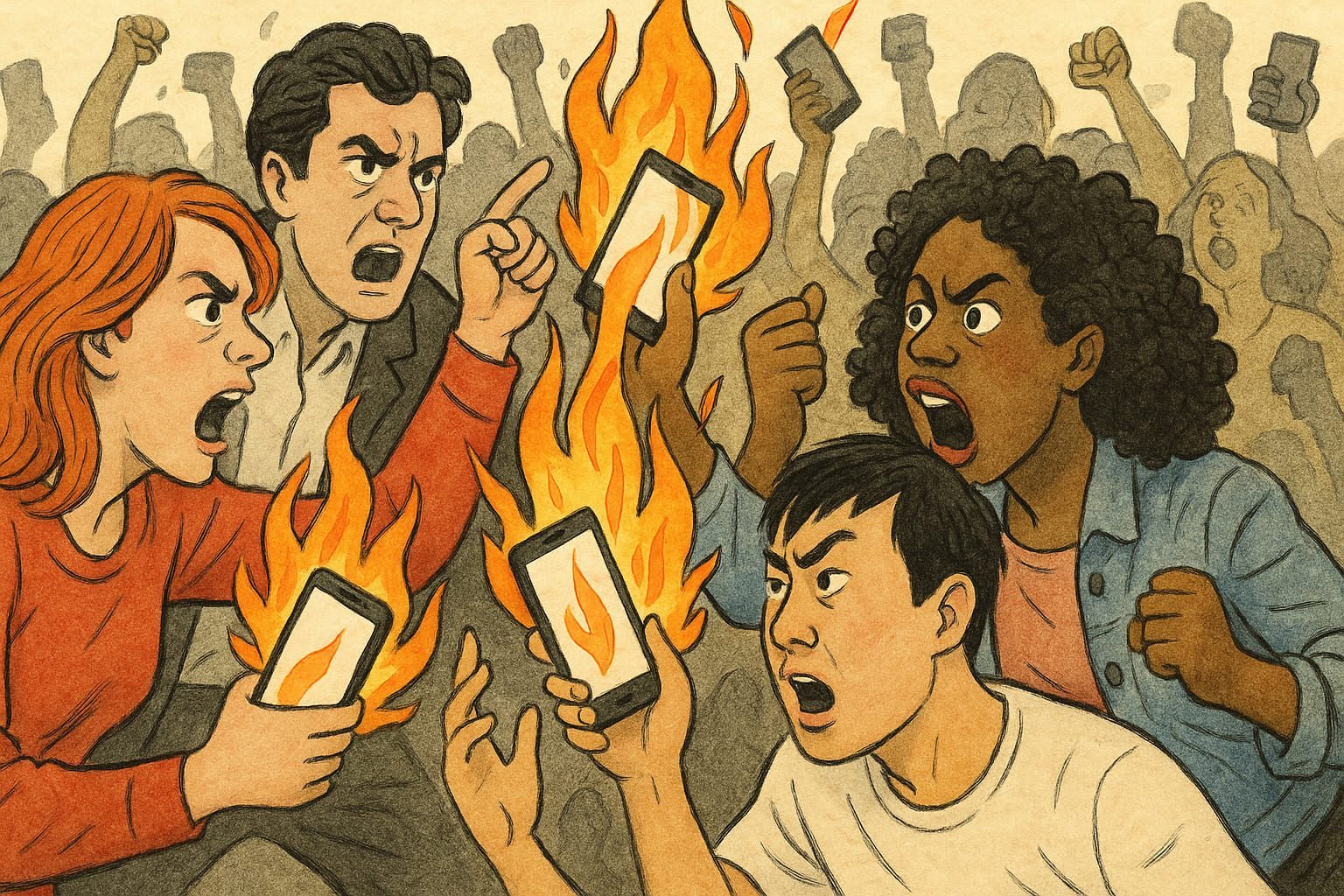
Communities create extraordinary value when shared purpose encourages learning, generosity, accountability, and collaboration. Problems arise when belonging becomes more important than truth. Algorithms often reward emotional intensity because outrage spreads faster than careful discussion, allowing digital tribes to drift toward echo chambers that reinforce certainty while discouraging curiosity. Strong organizations therefore cultivate cultures that welcome disagreement, reward evidence, and preserve respectful debate even when passionate members strongly identify with a common cause.
Bonfire embers glowed beneath a vast night sky where travelers from distant lands exchanged stories before continuing separate journeys at dawn. Every gathering changed those who attended, yet none lasted forever. Digital tribes carry the same paradox. They can elevate forgotten voices, launch remarkable businesses, and inspire genuine human connection, or they can harden into walls that separate people from uncomfortable truths. The communities you choose today may shape not only what you believe tomorrow, but also who you become.
