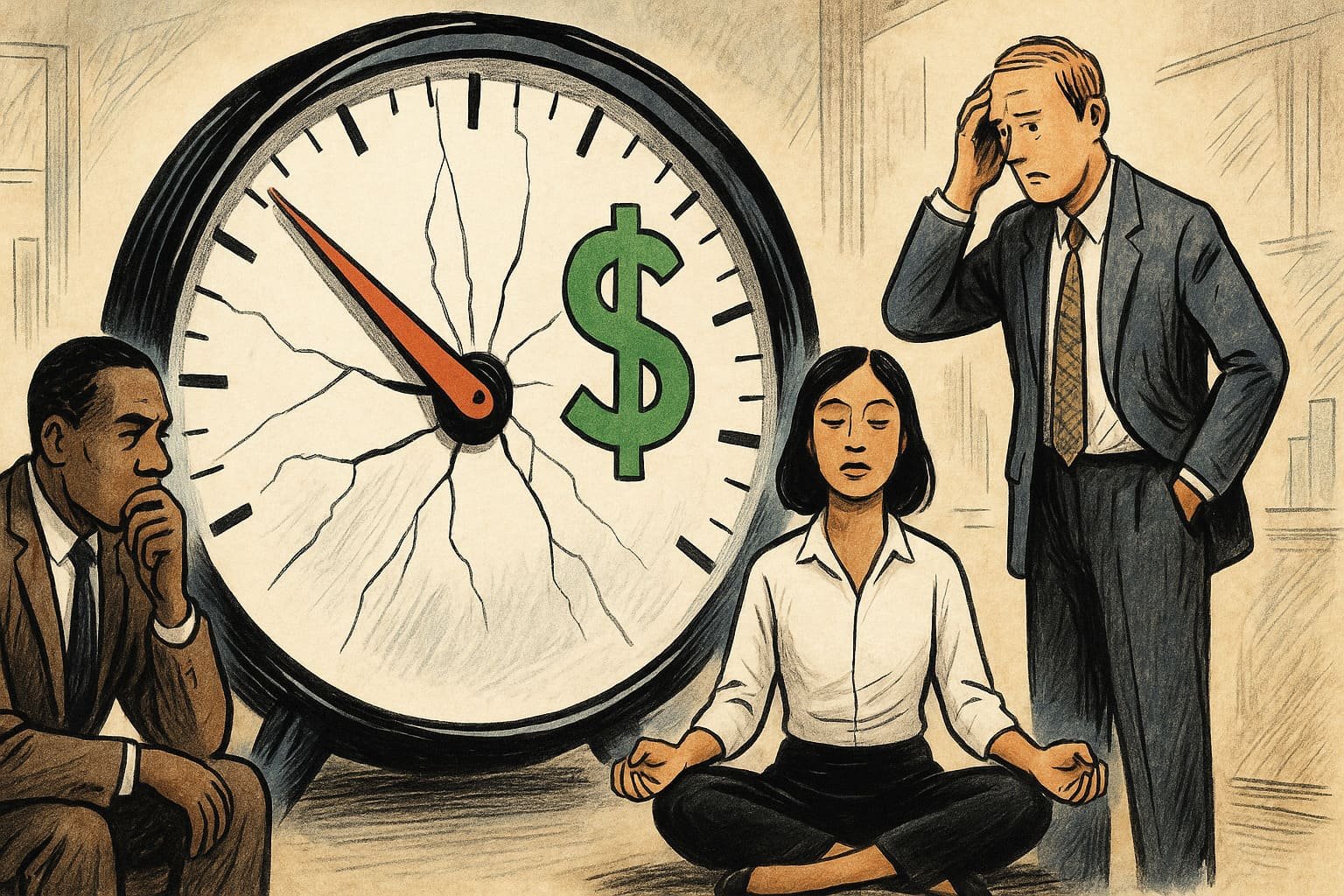
Modern business celebrates speed with almost religious devotion. Faster product launches, quicker decisions, shorter delivery times, and relentless execution dominate boardroom conversations. Companies proudly measure success by how rapidly they move. Yet some of the most remarkable business breakthroughs happen after leaders deliberately slow down. The pause that feels uncomfortable often becomes the moment when costly mistakes are avoided, stronger ideas emerge, and lasting competitive advantages quietly take shape. Sometimes the fastest way forward begins by refusing to rush.
The pressure to move constantly creates a dangerous illusion. Teams race from project to project without questioning whether the work deserves their attention. Meetings replace reflection. Urgency replaces judgment. Employees become experts at reacting while losing the ability to think strategically. Every interruption feels important because everything arrives labeled as a priority. Businesses eventually discover that constant acceleration without direction resembles driving faster through thick fog. Movement increases, but visibility disappears.
The most resilient organizations understand the power of intentional stillness. They create moments where leaders step away from endless activity to examine assumptions, challenge existing strategies, and identify emerging risks. Reflection becomes part of execution rather than its enemy. Decisions improve because people gain enough distance to distinguish genuine opportunities from temporary distractions. Calm thinking frequently produces outcomes that frantic effort never could.
Toyota’s production philosophy demonstrates this principle with remarkable clarity. Workers are empowered to stop an entire production line when they detect a quality issue. At first glance, pausing work appears inefficient. In reality, that brief interruption prevents defects from spreading through the entire manufacturing process. The willingness to stop creates stronger products, lower long-term costs, and greater customer trust. Short moments of stillness protect years of reputation.
A fast-growing digital agency encountered a similar lesson after accepting every client opportunity available. Its founder, Ethan, celebrated impressive revenue while employees struggled under impossible workloads. Creative quality began slipping, and customer complaints quietly increased. Instead of hiring recklessly, leadership paused new sales for several weeks to redesign workflows, improve communication, and clarify service standards. Profit margins increased because the business stopped confusing expansion with sustainable growth. Thoughtful restraint accomplished what relentless acceleration never could.
Behavioral science supports this approach. The human brain makes better complex decisions when given time to process information without constant interruption. Reflection strengthens judgment because it allows patterns, risks, and alternatives to emerge naturally. Great leaders recognize that wisdom rarely arrives during chaos. It appears when space exists for careful observation. Organizations protecting moments of thoughtful analysis consistently outperform those trapped in endless cycles of reaction and urgency.
The lesson extends far beyond corporate strategy. Investors who avoid emotional trading often outperform those constantly chasing market excitement. Athletes improve through deliberate recovery as much as intense training. Artists produce memorable work after periods of observation and refinement rather than endless creation. Progress grows stronger when action and reflection exist in balance. Speed alone rarely creates excellence. Purposeful rhythm does.
The businesses that endure are not those moving the fastest every day. They are those courageous enough to pause before making irreversible decisions, patient enough to refine what matters, and disciplined enough to resist the addiction of constant urgency. Stillness is not the absence of progress. It is often the birthplace of extraordinary progress. The greatest competitive advantage may never be another sprint. It may simply be the wisdom to stop long enough to see what everyone else is rushing past.
