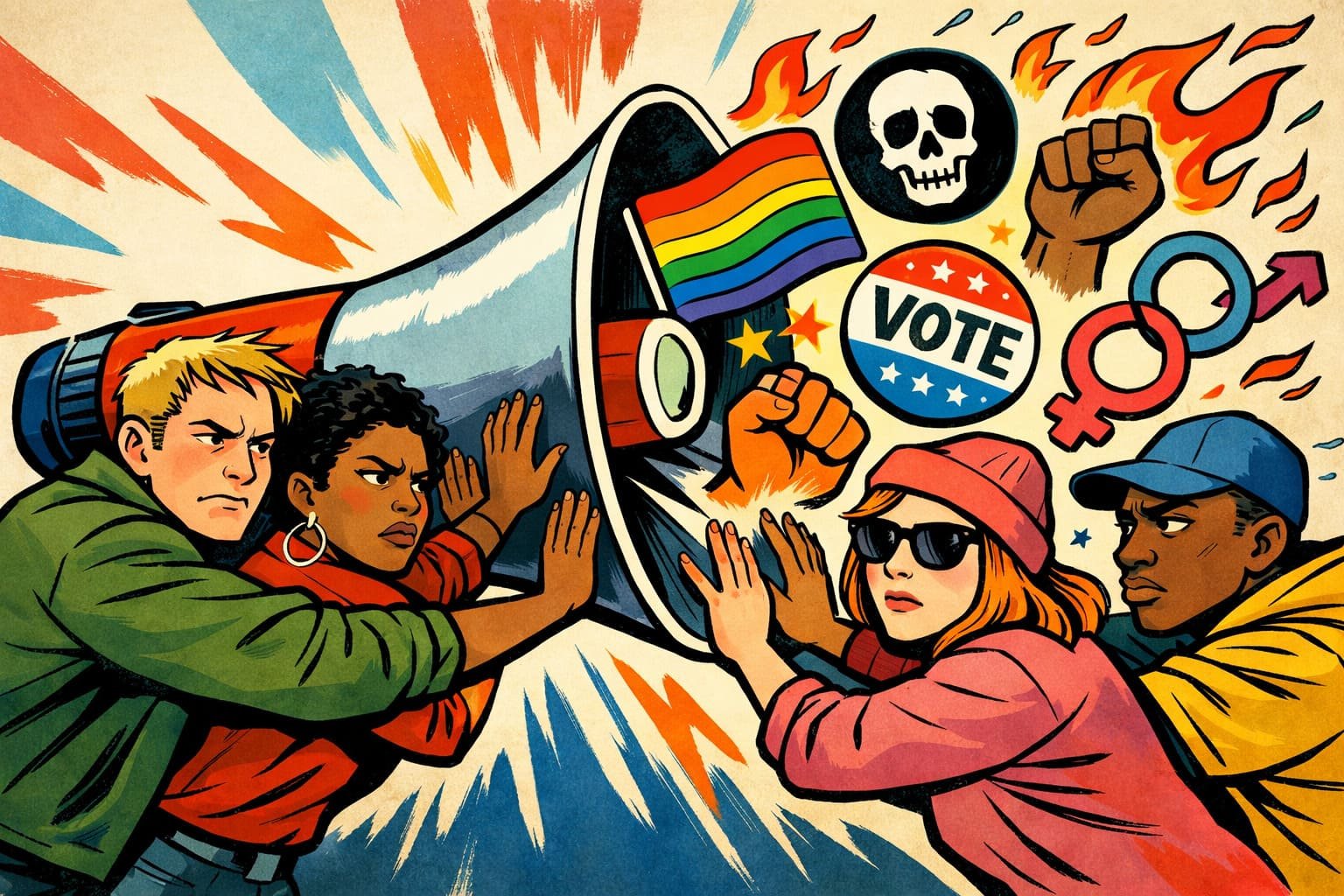
Applause erupted inside a glittering launch event before dissolving into thousands of conflicting voices racing across social media. One commercial inspired admiration, another triggered outrage, and within minutes both reactions became part of the same marketing campaign without anyone planning it. Brands once feared being ignored. Now they fear becoming symbols in battles they never intended to fight. Advertising has entered an era where every message risks being interpreted less as persuasion and more as a declaration of cultural allegiance.
Marketing teams often believe controversy automatically produces visibility, yet visibility and persuasion rarely travel together. Polarizing campaigns can generate remarkable engagement while quietly weakening long-term trust among broader audiences. Bud Light’s partnership with Dylan Mulvaney demonstrated how quickly branding decisions can become cultural flashpoints extending far beyond product marketing. Disney has faced similar moments, discovering that entertainment companies increasingly occupy political conversations whether executives seek that role or not. Attention arrives instantly. Confidence takes far longer to rebuild after audiences begin questioning intentions.
Marcus oversaw marketing for a regional grocery chain preparing a campaign celebrating neighborhood diversity through customer stories instead of political messaging. Early creative reviews tempted executives to borrow language dominating national debates because trending conversations promised larger online reach. Marcus resisted. Local families simply described favorite recipes, weekend traditions, and community gatherings. Customers responded warmly because the campaign reflected shared experiences rather than ideological positions. Sales rose steadily while competitors spent months navigating unnecessary online conflicts that overshadowed their actual products.
An unusual pattern repeats whenever public arguments become profitable. Digital platforms reward emotional intensity because anger, excitement, and identity encourage sharing more effectively than quiet satisfaction. Behavioral science calls this identity signaling. People increasingly express who they are through purchasing decisions as much as through political opinions. Nike’s campaign featuring Colin Kaepernick illustrated both sides of that equation. Loyal supporters deepened their attachment while critics rejected the brand entirely. Neither response revolved only around footwear. Advertising had become cultural shorthand for belonging.
IKEA offers a quieter lesson. Across diverse markets, the company generally focuses on everyday life, family routines, practical design, and inclusion without consistently placing itself at the center of ideological confrontation. Sofia founded a sustainable home décor business and briefly considered joining a viral cultural debate dominating headlines. Instead, she invited customers to share stories about repairing cherished household items rather than replacing them. Those conversations spread naturally because they celebrated common values instead of demanding public allegiance, strengthening loyalty without dividing her audience.
Floodlights will keep illuminating campaigns that promise courage, conviction, and unforgettable cultural relevance. Yet audiences possess sharper instincts than many boardrooms expect, distinguishing between brands seeking meaningful dialogue and those chasing temporary outrage disguised as purpose. Artificial intelligence can identify emotional fault lines with astonishing speed, but wisdom still determines whether crossing them creates trust or merely noise. Before asking whether your next campaign will dominate the conversation, ask whether it deserves a place within people’s lives after the arguments fade.
