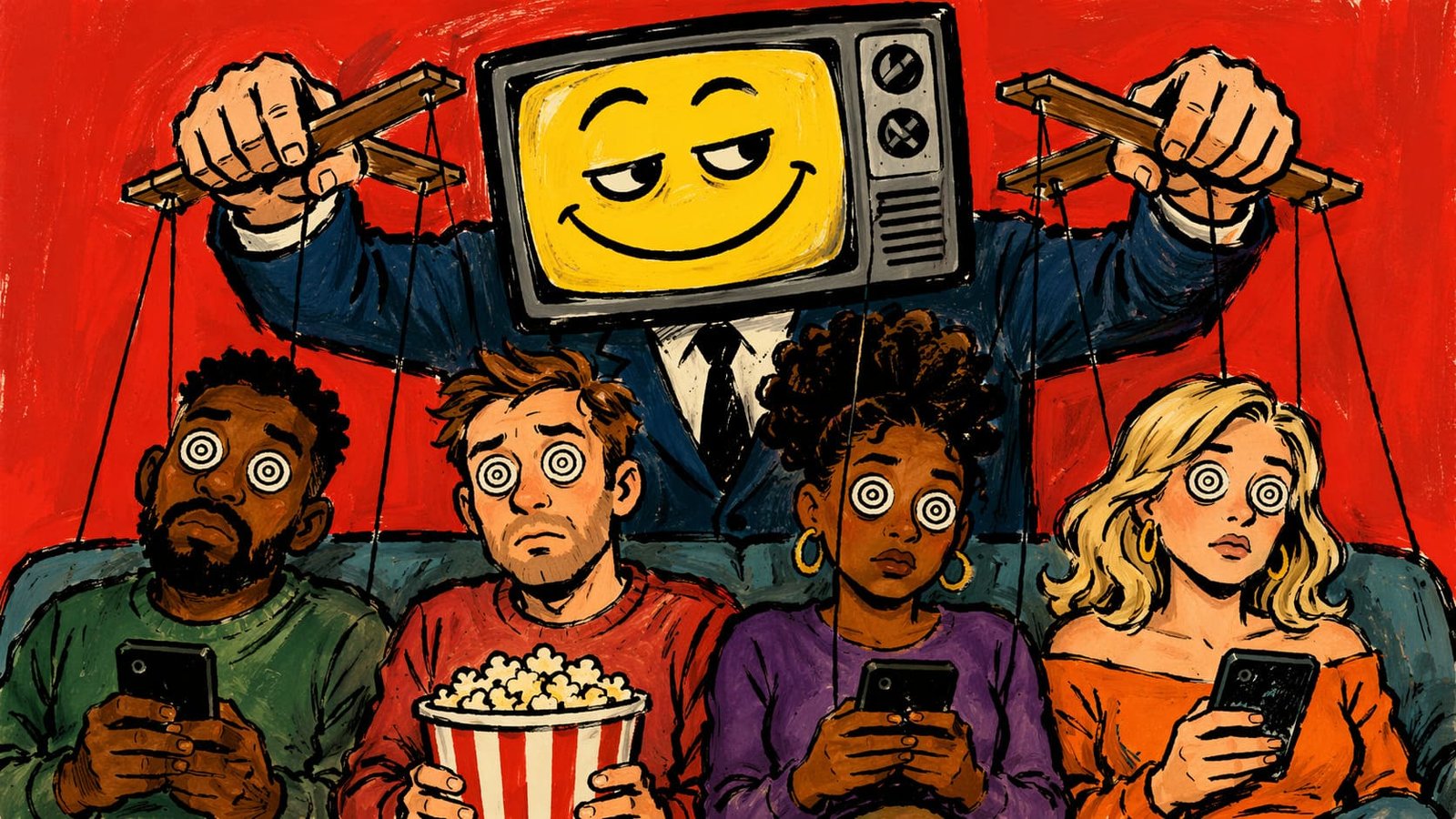
A soft glow fills a living room where nothing feels urgent. A show plays, snacks sit within reach, notifications pulse gently on a screen. Everything is easy, frictionless, designed to feel good without effort. The moment carries no sense of instruction, no visible demand. Yet something steady hums beneath the surface. Choices are being shaped. Attention is being guided. What feels like freedom begins to resemble a pattern, one that repeats with quiet precision.
Pleasure has always been part of human life, but its modern form is engineered with intent. Platforms, products, and experiences are designed to maximize engagement, to keep people returning, to smooth out resistance. The result is a landscape where enjoyment is abundant and easily accessible. That abundance changes behavior. It rewards certain actions, discourages others, and creates habits that feel natural because they are pleasurable.
A product manager named Leo once studied user behavior on a streaming platform. He noticed that viewers rarely chose content deliberately. They followed suggestions, autoplay sequences, curated lists. The system reduced the effort required to decide. Users felt relaxed, even satisfied. Yet their choices were being shaped by an invisible structure. Leo realized that convenience was not neutral. It was a form of guidance, subtle but consistent.
This dynamic extends beyond digital platforms. Advertising, retail environments, even workplace incentives use pleasure as a tool. Positive experiences are linked to specific behaviors, reinforcing patterns that align with broader goals. The process feels benign, even beneficial. After all, it delivers satisfaction. The tension lies in how that satisfaction is directed, how it channels behavior toward certain outcomes without explicit instruction.
A small fitness company illustrates this well. The founder, Clara, designed a program that rewarded users with immediate feedback, visual progress indicators, and small celebratory moments after each session. Engagement increased significantly. Participants felt motivated, even enthusiastic. Over time, Clara noticed that users became dependent on the system’s feedback. Without it, their motivation dropped. Pleasure had not just encouraged behavior. It had become a condition for it.
Psychologists often describe this as reinforcement. Behaviors followed by positive experiences are more likely to be repeated. In controlled settings, this principle is straightforward. In complex environments, it becomes layered. Multiple sources of pleasure interact, creating overlapping patterns of reinforcement. The result is a network of habits that feel self-directed, even though they are shaped by external design.
A marketing strategist named David once reflected on this during a campaign review. He noted that the most effective campaigns did not argue for a product’s value. They created experiences that felt rewarding in themselves. The product became associated with that feeling. Over time, the association strengthened, guiding future choices. David’s observation revealed a shift from persuasion to conditioning, from logic to experience.
There is a subtle shift that occurs when pleasure becomes the primary driver of behavior. Decisions begin to favor what feels immediately rewarding over what may be beneficial in the long term. This is not a flaw in human nature. It is a predictable response to the environment. When systems are designed to deliver quick satisfaction, they shape expectations. Patience becomes harder to sustain. Effort feels less appealing when compared to instant gratification.
A writer named Sofia experienced this while trying to complete a long-term project. She found herself drawn to short, engaging content that provided quick bursts of enjoyment. Each interruption felt harmless, even deserved. Yet the cumulative effect was significant. Her ability to focus weakened. The pleasure she sought in small moments began to interfere with the deeper satisfaction of sustained work. The trade-off was subtle, but real.
Cultural narratives often reinforce this pattern. Stories celebrate ease, convenience, and immediate reward. They frame friction as something to be eliminated, not navigated. This shapes expectations about how life should feel. When discomfort arises, it can be interpreted as a sign that something is wrong, rather than a natural part of growth. Pleasure becomes not just a preference, but a standard.
A startup team once debated this during a product design meeting. One group argued for features that maximized user enjoyment. Another raised concerns about long-term engagement and meaningful use. The discussion revealed a deeper question about responsibility. Should systems prioritize immediate satisfaction, or should they consider the broader impact on behavior? The answer was not clear, but the tension was undeniable.
Somewhere, a new feature is being tested. It promises to make an experience smoother, more enjoyable, more engaging. Users will appreciate it. They will return more often. The system will learn from their behavior, refining itself further. Each iteration will make the experience feel more natural, more aligned with user preferences. Yet those preferences are being shaped in the process, guided by the very system that claims to respond to them.
The next moment of pleasure arrives, seamless and inviting, a question lingers beneath its ease: are you choosing what feels good, or being trained to follow what feels easiest?
