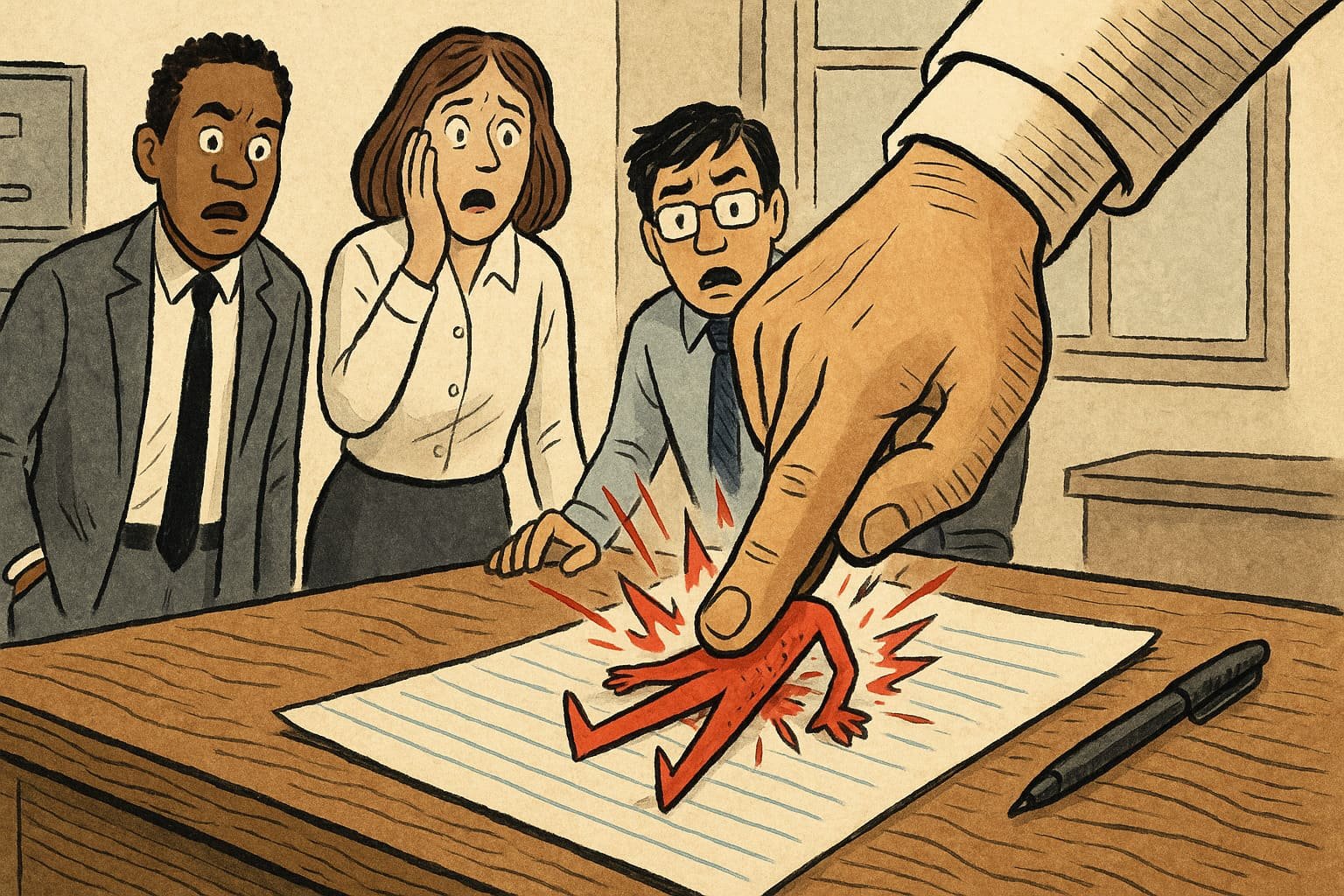
The loudest office is not always the one filled with voices. Sometimes it is the boardroom where nobody speaks because every person is calculating risk, protecting reputation, or hiding exhaustion behind an expensive smile. Ambition has a strange habit of dressing panic as professionalism. Deadlines become judges. Meetings become battlegrounds. Somewhere inside that polished routine, emotions quietly seize control of decisions long before logic notices. The businesses that survive rarely belong to those who feel the least. They belong to those who recover the fastest.
Every organization eventually discovers that emotional discipline is not a soft skill. It is a competitive advantage. Markets reward speed, but emotional reactions often slow leaders down. Fear delays investment. Pride blocks feedback. Anger destroys negotiations that took months to build. Excitement pushes companies into reckless expansion. Emotional impulses feel convincing because they arrive dressed as certainty. That illusion has bankrupted founders, fractured executive teams, and ruined partnerships that once looked impossible to break.
Daniel Kahneman spent years explaining how fast thinking often overrides careful judgment. Business leaders experience this every day. A disappointing sales report can trigger unnecessary layoffs before deeper analysis uncovers the real issue. A competitor’s product launch can create panic even when customers remain loyal. Emotional turbulence magnifies small threats until they appear catastrophic. Strong leaders interrupt that cycle. They pause. They ask better questions. Then they act with precision instead of pressure.
A manufacturing executive named Sofia faced exactly that test after a major client unexpectedly canceled a long-term contract. The room instantly filled with blame. One manager demanded aggressive cost cutting. Another wanted to abandon product development entirely. Sofia called for silence instead. Everyone left the room for thirty minutes before returning with written observations instead of emotional opinions. The discussion transformed. The company discovered that its customer concentration, not product quality, had created the vulnerability. Within months, new diversified contracts made the business stronger than before.
The same pattern appears inside remarkable companies. During difficult periods, executives at Netflix repeatedly challenged assumptions instead of defending pride. At Microsoft, cultural transformation accelerated only after leadership embraced learning over ego. Those stories are often described as strategic victories, yet they also reveal emotional maturity. Behind every successful pivot sits someone willing to admit uncertainty before competitors force the lesson upon them. Humility often outperforms confidence because it keeps curiosity alive.
Modern workplaces constantly tempt people into emotional overreaction. Notifications flash every minute. Social media celebrates overnight success while quietly hiding years of invisible struggle. Comparison becomes addictive. Every announcement from a rival feels personal. Every setback appears permanent. Yet seasoned entrepreneurs understand a quieter truth. Businesses are rarely destroyed by one disappointing day. They slowly weaken through thousands of emotional decisions that drift away from disciplined thinking until poor judgment becomes company culture.
The greatest leaders are rarely the loudest personalities in the room. They become emotional thermostats rather than emotional thermometers. Instead of reflecting anxiety, they regulate it. Employees unconsciously borrow emotional signals from leadership. Calm creates calm. Confidence spreads. So does panic. A founder who remains composed during uncertainty gives people permission to think creatively instead of defensively. That invisible influence becomes one of the strongest assets any organization can possess because culture often follows emotional example before written policy.
Far beyond quarterly reports and strategic plans, every ambitious professional eventually faces the same invisible opponent. It is not the economy, technology, or competition. It is the untrained mind reacting faster than wisdom can respond. Careers rarely collapse because emotions exist. They collapse because emotions become commanders instead of advisers. Real power begins when discipline quietly replaces impulse. That transformation changes every conversation, every negotiation, and every opportunity. The next breakthrough may depend less on controlling the market than mastering the person staring back from the mirror.
