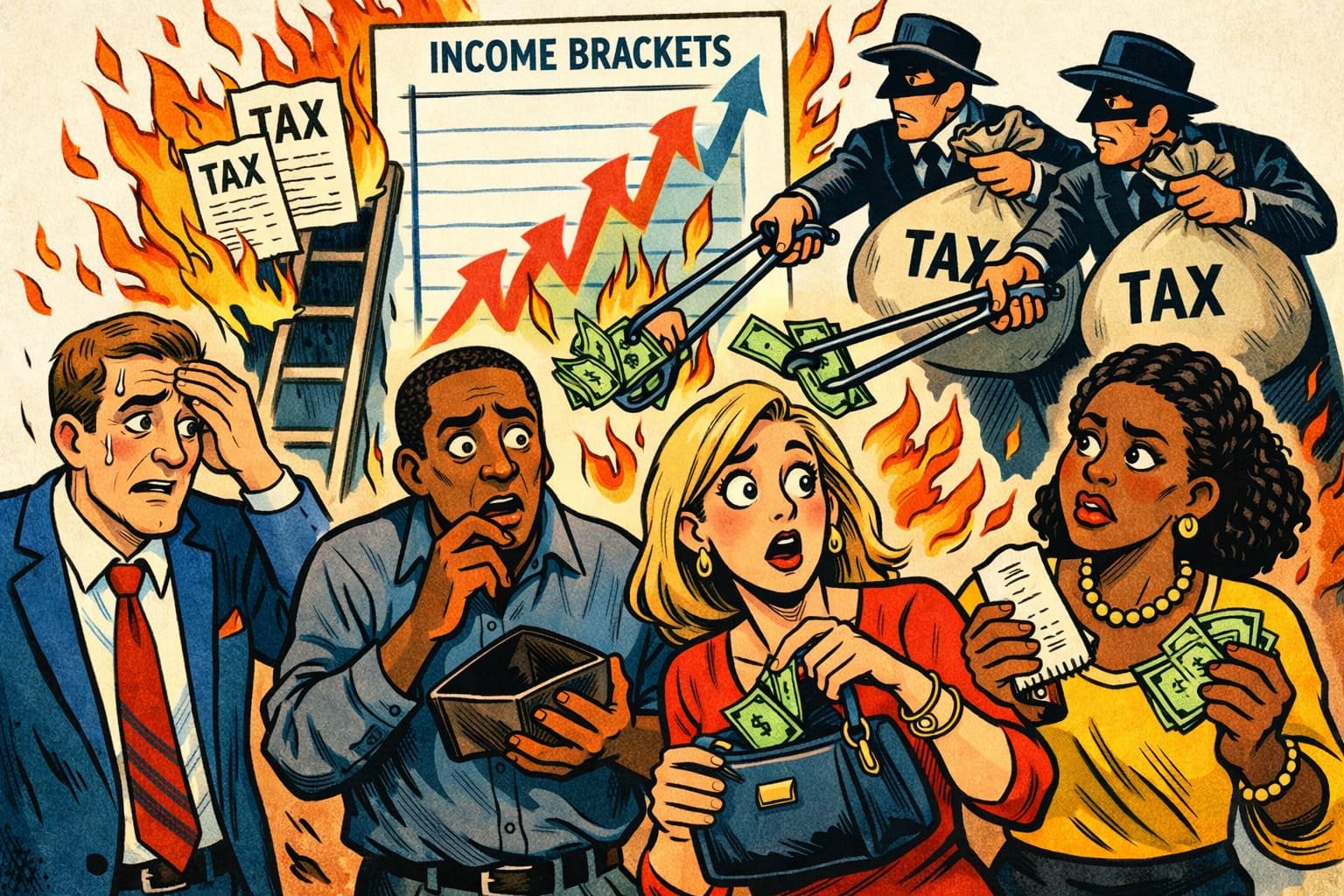
Few taxes are as politically clever, or as quietly annoying, as the one many people barely notice at first. Wages rise, inflation hums, and households feel a flicker of relief, right until the tax system reaches out like a polite pickpocket and takes a little more because thresholds stayed still while incomes moved. That is bracket creep. It sounds bureaucratic, almost sleepy. It is not. It is a hidden tax machine that can make workers feel richer on payday and poorer by the time they meet the monthly budget.
Bracket creep thrives on the gap between nominal and real life. A salary increase can look like progress, especially when a payslip shows bigger numbers. Yet if inflation has already eaten much of the gain, moving into a higher tax bracket can feel like a cruel little joke. The worker did not become meaningfully wealthier. The tax system just behaved as if they had. Governments appreciate this feature because it raises revenue without the noise of an announced tax hike. Citizens tend to hate it once they realize what happened.
What makes bracket creep so slippery is that it often hides inside ordinary life. A nurse gets a pay adjustment after years of pressure. A civil servant receives a cost of living bump. A mid-level manager fights for a raise, only to find that a larger share disappears into tax than expected. None of them feel rich. None of them are striding around like minor royalty in a prestige drama. They are just trying to keep pace with rent, groceries, school costs, and the strange modern miracle of bills multiplying while politicians insist growth is returning.
This hidden tax has a moral sting because it plays with perception. Governments can claim they did not raise tax rates, and technically that is true. The rates may remain untouched. Thresholds simply fail to move fast enough, or at all. It is the fiscal version of shrinking the chocolate bar while keeping the wrapper cheerful. Citizens are told nothing dramatic has changed. Their monthly budget knows better. That dissonance breeds distrust, especially when leaders speak about rewarding work while quietly taxing inflation-adjusted income as though it were a leap into affluence.
There is also an economic problem buried in the irritation. Bracket creep can alter work incentives, shape wage bargaining, and intensify public frustration at the exact moment labor markets need stability. When workers discover that extra effort produces less improvement than expected, cynicism creeps in beside the tax burden. A promotion feels less like advancement and more like being invited to climb a staircase that charges admission halfway up. That does not make people quit en masse, but it changes how they think about ambition, overtime, and the state’s relationship with their labor.
A payroll officer in a regional manufacturing firm once watched staff celebrate their annual pay review and complain about it within a month. The pay rise had looked decent in the email. Then taxes bit harder, energy bills stayed rude, and food prices kept nibbling. The mood turned sour. One technician laughed and called the whole thing a “government discount on optimism.” That line had more economic truth in it than many policy speeches. Bracket creep taxes morale because it lets people feel the gain and lose it almost simultaneously.
Politically, bracket creep is irresistible to governments under pressure. It delivers extra revenue with less resistance than a direct increase in headline tax rates. Ministers can talk about responsibility while the tax system quietly does the lifting. This is why bracket creep often appears during periods when public finances are strained by debt service, welfare costs, healthcare demands, or spending promises that outgrew the treasury. Hidden taxes multiply because visible honesty is harder. A government would rather let thresholds do the dirty work than stand at a podium and admit the budget needs more money.
That habit comes at a price. Once citizens suspect that real tax burdens are rising by stealth, every future reform starts looking like a trap. Trust weakens. Wage demands harden. Public debates become more bitter because workers no longer believe fiscal pain is being shared openly. Bracket creep can even make good policy harder later. A government that eventually tries to simplify taxes or adjust thresholds credibly may find the public too jaded to believe it. Hidden taxation is efficient in the short term and corrosive over time. It is a magician’s trick that ruins the audience for future shows.
The smarter approach is not to swear eternal war against all tax increases. Adult fiscal policy is not built on fairy tales. States need revenue. The better path is transparency. If more revenue is needed, leaders should say so, justify it, and show the trade-offs clearly. Automatic indexation can protect households from quiet threshold drift. Well-designed reforms can still preserve progressivity without pretending inflation is prosperity. The point is not that taxes should never rise. The point is that democratic governments should stop relying on disguised extraction and then acting surprised when voters feel conned.
There is a deeper philosophical issue here too. Bracket creep teaches citizens that success is slippery and that improvement can be partly illusory. Work harder, earn more, and discover the ladder was coated in fine fiscal grease. That feeling matters because healthy economies depend not only on investment and rules, but on social belief. People need to feel that effort has shape, reward, and dignity. A tax system that quietly taxes inflation as if it were flourishing weakens that belief. It makes public life feel like a game where the scoreboard moves when nobody is looking.
Good governments understand that taxation is not merely about collection. It is also about consent. People will tolerate significant burdens if the system feels legible, fair, and honest. They become angrier when the tax bite arrives wearing camouflage. Bracket creep burns because it offends not only the wallet, but the relationship between citizen and state. It replaces open argument with silent encroachment. That is fiscally tempting and politically dangerous, a combination modern governments seem unable to resist for long.
Soon the household notices what the treasury already knew. The raise was not fake, but the relief was thinner than advertised. The numbers looked warmer than the life they were meant to support. In that gap, where ambition meets deduction and trust meets stealth, hidden taxes begin multiplying like shadows under bright office lights. The haunting question is not whether governments can keep using bracket creep. They can. The real question is how long workers will keep believing they are moving forward when the system keeps charging them for standing still.
