Dawn breaks over a tangled maze of alleys, market stalls, and distant laughter, casting golden haze on a city that never quite sleeps. Somewhere at the edge of this living tapestry, a figure lingers, notebook hidden, gaze open and unblinking. They blend into the shadows and drift with the crowd, gathering fragments of conversation, scents of simmering food, flashes of color from woven shawls and plastic toys. The observer is a silent codebreaker, reading not only words but the unspoken rules beneath every gesture. Around every corner lies another puzzle—each face an unsolved riddle, each tradition a secret waiting to be translated. Here, the real adventure begins not with conquest, but with curiosity.
Across centuries, explorers carried maps, merchants chased trade winds, and empires stamped footprints on distant lands. Yet the boldest journeys today happen at the crossroads of meaning. Ethnographers step where most never dare: deep into the labyrinth of everyday life, seeking what textbooks cannot explain. Their method isn’t a laboratory, nor is it a lecture hall. It’s the kitchen table in a stranger’s home, the midday lull of a fishing village, the urgent rhythm of protest on city streets. Where others see chaos, ethnographers sense patterns pulsing beneath the surface—human codes as intricate as any encryption.
You’ve met their work in ways you never realized. Every time a global brand manages to sell noodles in Lagos or sneakers in Seoul, there’s likely an ethnographer whispering advice behind the scenes. They decode why rituals matter, why laughter erupts in funerals or silence lingers after weddings. By translating these signals, they make the alien familiar and turn confusion into insight. Consider companies like Airbnb, which sent ethnographic teams into homes worldwide before launching their platform. This research didn’t just gather data; it uncovered what “belonging” actually feels like in different languages and living rooms.
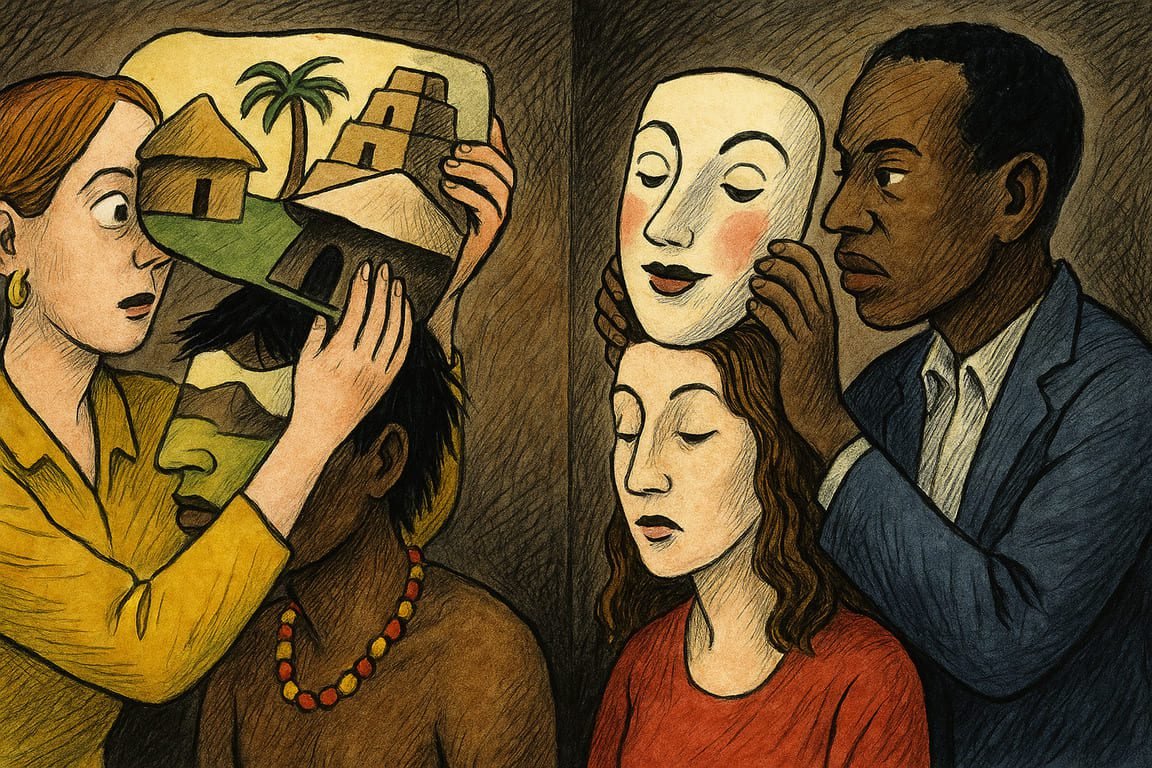
Imagine what happens when you step outside your comfort zone and try to really see the world through someone else’s eyes. The rules shift. Your assumptions, once unshakeable, begin to crumble. Suddenly, shaking hands might be rude, directness could offend, or eye contact may signal aggression rather than trust. Ethnographers live for these moments of reversal. They keep their eyes wide, even when every instinct begs them to judge or retreat. Their art lies in transforming confusion into understanding, and then teaching others how to do the same.
You might not be planning to trek across Himalayan villages or decode rituals in remote islands. Yet, every leader, entrepreneur, or creator can learn from this mindset. Whether you’re launching a new product, managing a diverse team, or building community in your neighborhood, the ability to read cultural signals will shape your success. When TikTok exploded onto the scene, it wasn’t just about algorithms or flashy filters. The real story lay in how Gen Z used inside jokes, viral dances, and coded language to build a digital tribe—one outsiders struggled to understand until they paid attention, not as critics, but as students.
Every breakthrough in cross-cultural communication comes at a cost. It’s uncomfortable to let go of your story and step into someone else’s world. You risk being wrong. You risk awkward silence, misunderstandings, and—worst of all—realizing you’re the foreigner. This humility is the secret superpower of the best ethnographers. They stay uncomfortable longer than anyone else, learning to spot meaning where others see only noise. The reward? Answers no algorithm could ever predict, wisdom that can’t be outsourced to Google Translate.
Take Lila, a social researcher who embedded herself with migrant farmworkers in the California Valley. She ate the same food, picked fruit in the dawn chill, and slept in makeshift shelters. What emerged was a story of dignity, humor, and pride, not victimhood. Her insights changed the policies of an agricultural conglomerate and inspired a bestselling book. Every insight was paid for with blisters, long nights, and the patience to listen rather than interrogate.
This is where many stumble. They crave shortcuts—surveys, stats, big data—but miss the heartbeat of lived experience. Big tech firms have poured billions into AI-driven translation, yet the difference between “yes” and “maybe” can hinge on the curl of a lip, the pause in a sentence, or the way a grandmother pours tea. These are lessons only learned at ground level, face to face, in the mess and music of real life.
You might wonder if these skills can really be taught. The answer is both comforting and unsettling. Anyone can learn to see, but few choose to. The price is curiosity and vulnerability, trading the certainty of your worldview for the uncertainty of discovery. In a divided world, this trade is worth more than gold. Every act of genuine listening chips away at the walls that keep us apart. It’s not just good business; it’s the only way forward in a world where connection is the new currency.
Think of the ripple effects. A hotel chain studies how children play in rural India and redesigns their lobbies to feel less like airports, more like family living rooms. A shoe designer shadows dancers in Rio and invents a sneaker that flexes just so, launching a global craze. A filmmaker lives with street vendors in Accra, capturing not poverty, but resilience and style. Each story starts with someone willing to be silent, to watch, and to learn before acting.
Ethnographers remind us that behind every “market” is a mosaic of hearts, dreams, and codes waiting to be understood. The greatest mistake is to assume you know what matters to others before you’ve tasted their joy, witnessed their pain, or shared their jokes. It’s easy to design for yourself and your tribe. It’s an act of courage to design for those whose world feels upside down to yours.
Modern business is obsessed with disruption, but the real magic lies in translation. Not the mechanical swapping of words, but the soulful transfer of meaning from one heart to another. The world’s best leaders know this. Oprah Winfrey, for example, built an empire by listening—really listening—across divides of class, race, and geography. Her interviews felt less like interrogations and more like cross-cultural pilgrimages.
Every day offers a chance to become a translator, not just a transmitter. You don’t need a research grant or a passport. The next time you’re tempted to dismiss a colleague’s odd habit, a neighbor’s ritual, or a customer’s stubborn refusal to change, stop. Watch. Listen. Ask why, not just how. You might discover a new market, a hidden ally, or even a piece of yourself you’d forgotten.
Under the pulsing neon of a midnight city, an ethnographer fades into the crowd—just another face among many. The city’s stories swirl around, half-heard in the rush of traffic and the hush of late-night confessionals. In one window, a mother braids her daughter’s hair by candlelight. Across the street, strangers share soup and laughter without sharing a language. The observer scribbles a note, heart pounding with the thrill of a code cracked, a bridge built. These are the quiet victories that change everything, though no headline shouts their name.
A secret runs through every marketplace, every boardroom, every playground: meaning belongs to those who seek, not those who shout. For those bold enough to listen, the world reveals itself—strange, beautiful, stubbornly alive. You already hold the keys to connection; the only question is whether you’re willing to unlock the door.
