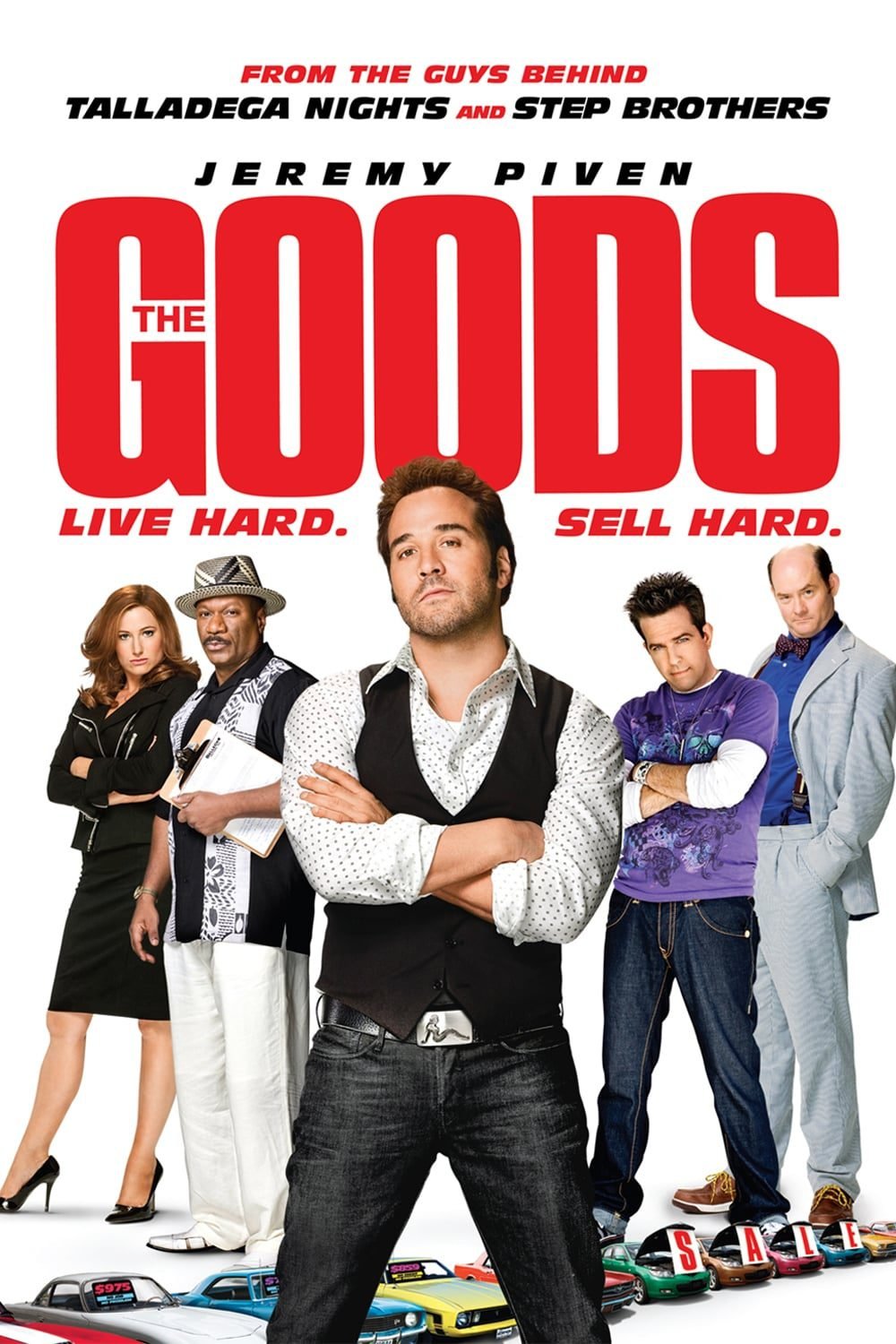
If you think the used car business is just a punchline for tired jokes, The Goods: Live Hard, Sell Hard will bulldoze those expectations and then set them on fire. This film explodes onto the screen with an energy that refuses to be contained, spinning the familiar grind of sales into a carnival of outrageous characters, jaw-dropping schemes, and a relentless barrage of high-octane one-liners. From the opening scene, you can practically taste the adrenaline, desperation, and audacity that drive the story forward. There’s no waiting around for the laughs to start—the movie grabs you by the collar and throws you straight into the chaos of high-stakes sales, where the difference between glory and disaster often comes down to who has the sharpest pitch.
Anchored by Jeremy Piven’s unapologetically bombastic performance as Don Ready, the film plunges us into a world where every handshake is a gamble, and every deal is a battlefield. Ready is not just a salesman—he’s a legend in his own mind, a motivational hurricane who thrives on the absurdity and pressure of closing deals that seem impossible. His entrance alone sets the tone for a story that will never slow down or play it safe. Yet behind the bravado, there’s a surprisingly relatable story of people pushed to their limits by economic realities and the need to survive in a cutthroat marketplace.
What sets The Goods apart isn’t just the humor or the rapid-fire dialogue; it’s the way the film weaponizes satire to skewer the entire sales industry. This isn’t a gentle ribbing of capitalism—it’s an all-out roast, shining a spotlight on the ridiculous tactics, over-the-top personalities, and moral gray zones that permeate the world of aggressive selling. Whether you’re an entrepreneur, a seasoned salesperson, or just someone who’s been on the receiving end of a hard pitch, there’s something uncannily true lurking beneath the film’s relentless jokes.
Despite its wild tone, the film manages to sneak in a few sincere moments about loyalty, self-doubt, and the search for purpose beyond quotas and commissions. Real emotion surfaces in unexpected places, reminding viewers that even the most outrageous characters crave respect, belonging, and meaning. The ensemble cast, featuring Ving Rhames, David Koechner, Kathryn Hahn, and an assortment of oddball supporting players, brings surprising heart to a story that could have easily settled for surface-level slapstick.
For anyone who’s ever felt the pressure to perform, the anxiety of meeting impossible goals, or the adrenaline rush of turning a “no” into a “yes,” The Goods: Live Hard, Sell Hard offers both a wicked parody and a weirdly empowering celebration. You may come for the laughs, but you’ll leave with a new perspective on the art—and madness—of the deal.

Quick Notes
- The film delivers a turbo-charged critique of American sales culture, blending satire and slapstick in equal measure.
- Jeremy Piven’s character, Don Ready, transforms the used car business into an outrageous, high-stakes spectacle.
- Humor comes from both the over-the-top personalities and the absurd situations that erupt during the desperate July 4th sales weekend.
- Satirical edge exposes the ruthless, often unethical tactics that fuel success in the world of aggressive sales.
- Underneath the chaos, the story finds surprising heart, exploring themes of loyalty, personal growth, and redemption.
When the Pitch Is All That Matters
Beneath the fluorescent lights of Selleck Motors, an aging used car dealership in Temecula, California, the future looks bleak. Owner Ben Selleck faces financial ruin, with bankruptcy looming and a mountain of unsold inventory threatening to sink his family business for good. With time running out, Ben makes a desperate call for help, summoning the legendary “mercenary” sales team led by Don Ready. Entering like a tornado in a custom suit, Ready promises to do whatever it takes to clear the lot during a make-or-break Fourth of July weekend.
Ready and his eccentric team descend upon the dealership, transforming it overnight into a war room of psychological warfare, wild promotions, and manipulative antics. Armed with years of hustling experience and a total disregard for conventional ethics, they deploy a barrage of outlandish stunts designed to separate reluctant buyers from their wallets. No scheme is too bizarre: from fake news reports to staged events that defy all logic, every tactic is designed for maximum impact and minimal subtlety.
As the sales frenzy heats up, old rivalries and buried insecurities surface. Don Ready’s bravado masks lingering wounds from a past tragedy, making his quest for redemption as urgent as his pursuit of the next sale. The team itself is a microcosm of dysfunction and loyalty—each member wrestling with their own quirks, regrets, and ambitions. Romantic subplots, failed pranks, and escalating chaos threaten to derail the mission, but the team’s chemistry turns every misstep into another opportunity for comedy gold.
Competition intensifies when a rival dealership senses weakness and attempts to sabotage the big weekend. The pressure mounts, forcing Ready and his crew to improvise even more outrageous strategies, from fake celebrity appearances to absurd publicity stunts. Through every twist, the group’s commitment to one another and their singular mission never wavers. The film revels in the absurdity of high-stakes sales, using every opportunity to lampoon the culture of “win at any cost.”
When the dust settles and the weekend ends, victory isn’t measured in profits alone. The characters, battered and changed, find meaning in their friendships and a renewed sense of self-worth that transcends the shallow markers of success. The story never pretends that every sale is noble or every tactic ethical, but it does find value in perseverance, camaraderie, and the relentless drive to overcome impossible odds.
Key Lessons and Insights to Learn from the Movie
Survival in the sales world demands more than slick pitches and clever gimmicks; it requires resilience, adaptability, and the courage to confront failure. Don Ready’s rollercoaster journey through the weekend reflects the reality faced by anyone chasing targets in uncertain times. His willingness to keep hustling, no matter how grim the outlook, echoes the spirit of entrepreneurs and hustlers everywhere who find opportunity where others see only doom.
The importance of team dynamics shines throughout the chaos. Every victory at Selleck Motors comes not from individual heroics, but from the wild synergy of clashing personalities working toward a common goal. Trust, loyalty, and the ability to forgive mistakes prove far more valuable than any sales script or closing technique. Real-world teams succeed not by eliminating dysfunction, but by embracing and leveraging each member’s unique strengths.
Ethics are never out of fashion, even when the pressure to succeed is overwhelming. The film uses satire to highlight how easy it is for ambition to slide into exploitation. From fake testimonials to outright lies, the movie challenges viewers to question where the line should be drawn. The best salespeople, it suggests, aren’t just the most persuasive—they’re the ones who remember that trust, once lost, is almost impossible to reclaim.
Redemption can come from unexpected places. Don Ready’s swagger hides real pain and a yearning for a second chance, proving that vulnerability isn’t a weakness but a necessary step on the path to personal growth. His story resonates with anyone who has stumbled, lost confidence, and needed to rediscover their own purpose. The journey is messy, funny, and unpredictable—but it’s also deeply human.
Success is not just about moving units or hitting quotas; it’s about redefining what winning means. The wild ride at Selleck Motors ends not with a miracle windfall, but with a battered team who, through grit and humor, have proven something to themselves. The lesson lingers: sometimes, the true value of a hustle is not in the profit but in the people you bring along for the journey.
“The Goods” Delivers Laughs and Life Lessons for Every Risk Taker
Nothing about The Goods: Live Hard, Sell Hard is subtle, yet every moment pulses with a kind of truth that anyone with sales experience will recognize. The absurdity of the industry, the adrenaline rush of the chase, and the crushing weight of looming failure are all given a satirical, neon-lit stage. What keeps the film compelling isn’t just the jokes or the gags—it’s the relentless optimism of its characters, who refuse to accept defeat even as the odds stack higher and the stakes spiral out of control.
Jeremy Piven’s Don Ready stands out as a perfectly flawed anti-hero, capturing the contradictions that drive the best—and worst—salespeople. His journey is both a cautionary tale and a rallying cry for anyone who’s ever dreamed big and stumbled hard. The story, while wildly exaggerated, is rooted in real anxieties about economic survival and personal redemption. The combination of slapstick, satire, and genuine emotion creates a film that’s both endlessly watchable and strangely inspiring.
The supporting cast deserves equal credit for transforming chaos into chemistry. Each character brings a unique voice and energy, proving that even the most dysfunctional teams can achieve miracles when the chips are down. Their antics, failures, and eventual triumphs turn the film into a celebration of resilience, friendship, and the quirky magic of collaboration under pressure.
Beyond the car lot, the movie provides a lens into broader truths about business, ambition, and modern hustle culture. It’s a send-up of every “motivational” sales seminar, every desperate pitch, and every wild-eyed entrepreneur who ever believed that anything was possible if you just wanted it badly enough. The jokes land, but so do the deeper insights, making this comedy a must-watch for anyone who’s ever wondered what separates success from disaster.
If you’re searching for a film that blends slapstick humor with sharp insights, and that captures both the agony and ecstasy of risk-taking, The Goods: Live Hard, Sell Hard delivers in spades. It’s a turbocharged ride that doubles as both an entertaining escape and a quirky, unforgettable masterclass in the art of the deal.
Disclaimer
It’s also critical to remember that whether the movie is either a work of fiction or real life depiction it must be emphasized that the actions depicted within are not encouraged in reality and shouldn’t be imitated.
