
Guy Ritchie’s The Gentlemen doesn’t just walk into the gangster movie genre; it flips over the card table, pockets the cash, and flashes a sly grin as everyone scrambles. London’s criminal underbelly sparkles here with as much wit as menace, inviting viewers to question who’s running the show and who’s being played. Audiences expecting the usual parade of grim faces and drab warehouses are in for a dazzling, fast-talking treat that turns traditional mob tales inside out. Every detail, from tailored suits to razor-sharp dialogue, is crafted for maximum impact—never letting the viewer catch their breath or predict what comes next.
The film’s heartbeat is its characters: layered, dangerous, impossible to dislike. Matthew McConaughey brings swagger and calm fury to Mickey Pearson, a cannabis kingpin who turns business into an art and violence into an afterthought. Alongside him, Charlie Hunnam, Hugh Grant, Colin Farrell, and a scene-stealing crew orbit the crime world with their own quirks and hidden motives. Each entrance, line, and even the silences drip with intent, flipping classic gangster tropes into something far more stylish and subversive. Ritchie’s script blends suspense and satire, so every minute is laced with clever commentary on ambition, reputation, and survival.
At its core, The Gentlemen is a chess match disguised as a street brawl. Power shifts with every phone call, threat, and whispered secret. The film’s humor never undermines its danger; in fact, it’s the irreverence that makes the stakes feel real. The plot isn’t just about who will take over the empire, but whether anyone can truly trust their friends, partners, or even themselves. The audience is kept guessing: will Pearson escape the game, or will ambition and betrayal swallow him whole?
Ritchie layers the action with banter, flashbacks, and plot twists so seamless that even attentive viewers risk missing the play. The experience is immersive, pulling you into a whirlpool of double-crosses and dazzling reveals. The pace never drags. Every scene feels meticulously engineered for suspense, laughter, and that strange, addictive adrenaline you only get from watching the world’s best dressed criminals outwit one another. For anyone tired of predictable crime films, this movie is a reminder that fresh storytelling and sharp wit can still reinvent a familiar genre.
Pulling from the real-world fascination with charisma and power, The Gentlemen demonstrates that style and substance can coexist, that humor can walk hand-in-hand with danger, and that in the end, the most memorable villains are often the ones you root for against your better judgment. If you’re ready to question what it means to be “gentlemanly” in a ruthless world, then Ritchie’s masterpiece is more than just a film—it’s a masterclass in reinvention.
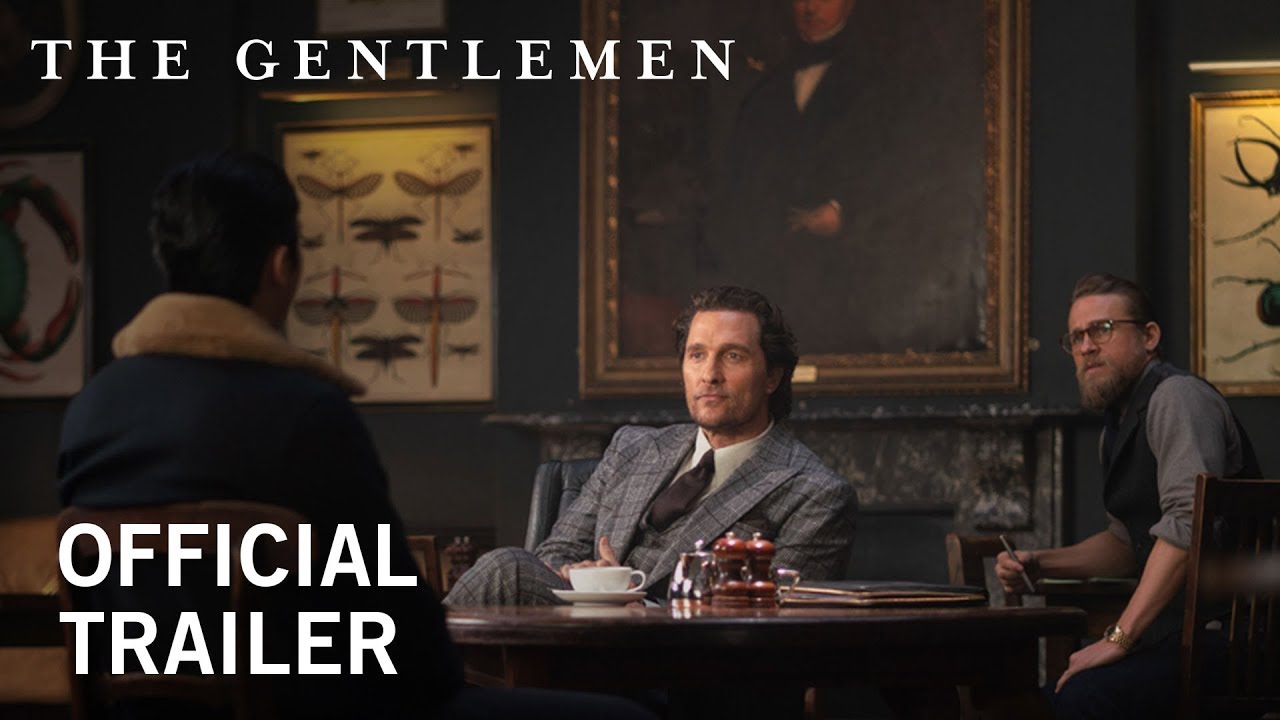
Quick Notes
- Dazzling character work redefines what it means to be a likable villain, making even the worst offenders compelling.
- Twisting, layered plotlines keep viewers on their toes, challenging expectations and subverting genre clichés.
- Humor is woven into every moment, balancing brutality with banter and keeping the audience engaged throughout.
- The film’s sharp style—costume, set, dialogue—creates an unforgettable visual and emotional impact.
- Loyalty and betrayal sit side by side, offering a complex, unpredictable study in power, partnership, and trust.
Every Move Counts in Ritchie’s Stylish Game
The story begins with Mickey Pearson, an American expat who has built an underground cannabis empire in London, seeking a graceful exit. Pearson wants to sell his business to Matthew Berger, a billionaire who sees opportunity in the legalization of cannabis. Yet, nothing in the criminal world is straightforward, and the news of Pearson’s retirement triggers a feeding frenzy. Enter Fletcher, a private investigator with an eye for blackmail, who claims to know every secret worth selling. Fletcher’s narration frames the plot, making the audience question the truth of every revelation and the reliability of every witness.
As offers are made and secrets unearthed, Pearson finds himself ensnared by an onslaught of threats, each masked as friendship or business. Berger himself turns out to be less a partner and more a predator, maneuvering to undermine Pearson’s operation and seize the empire for a fraction of its worth. At the same time, a reckless YouTuber gang called The Toddlers, led by Coach (played with comedic genius by Colin Farrell), unwittingly disrupts the criminal ecosystem, adding chaos and unexpected levity to a world otherwise defined by tension and calculation.
The chessboard grows more crowded when Dry Eye, a brash up-and-comer from a rival triad, attempts a hostile takeover. His actions set off a cascade of betrayals, threats, and increasingly creative violence. Yet, every time it seems Mickey is cornered, the narrative flips, revealing deeper layers of planning and a web of relationships as tangled as the city’s backstreets. Ritchie’s narrative structure uses flashbacks and false leads to pull the audience into Fletcher’s unreliable retelling, making the truth an ever-shifting target.
Real danger arrives not just in bullets or blades, but in the psychological games each character plays. Trust is weaponized, and every alliance is one transaction away from falling apart. Rosalind Pearson, Mickey’s wife, brings her own force to the table—intelligent, loyal, and more than capable of handling her husband’s world. She becomes both anchor and wild card, her role in the climax proof that underestimating anyone in this story is a fatal mistake.
By the final act, the threads Ritchie has spun come together in a shocking, darkly comic resolution. Mickey’s empire remains intact, but the scars of the battle are visible. Victories are bittersweet, and the surviving players are left to question whether the rewards of this game are ever worth the cost. The story never preaches; it simply unfolds, inviting viewers to savor the complexity of a world where style, ambition, and betrayal are all just moves in a larger game.
Key Lessons and Insights to Learn from the Movie
Trust, in The Gentlemen, is both a currency and a weapon. Every alliance, handshake, or promise carries risk. The story echoes a truth familiar to anyone who has built a business or navigated high-stakes relationships: loyalty is hard-won, easily lost, and often transactional. Real-world leaders and entrepreneurs can see themselves in Pearson’s dilemma—knowing that the people closest to you are just as capable of undermining your success as outsiders.
Adaptability stands out as a critical survival trait. Every character faces shifting circumstances, and those able to pivot—whether through wit, charm, or ruthlessness—outlast the rigid. This theme has resonance beyond cinema. In today’s volatile business landscape, companies and individuals must constantly reassess, anticipate threats, and seize opportunity in disguise. The film’s relentless pace mirrors the speed at which fortunes can change, offering a visual metaphor for the need to think ahead and act decisively.
Perception is power. Ritchie’s characters manipulate image as much as reality. Suits, mannerisms, and clever stories create an aura of invincibility, concealing vulnerabilities that could topple empires. This mirrors modern branding, where carefully curated personas—whether for companies or individuals—can be as influential as substance. Yet, the film warns against confusing style for strength. Authenticity, when revealed, becomes a secret weapon.
The narrative demonstrates that even the best-laid plans can spiral. Mickey Pearson, with all his experience and preparation, cannot control every variable. External actors, from reckless gangs to unscrupulous rivals, inject chaos that no spreadsheet or bodyguard can predict. Real-life leaders will recognize this: risk is part of every venture, and sometimes, survival comes down to quick thinking, resilience, and a touch of luck.
Perhaps most poignant, the film explores the idea that the biggest threats often come not from enemies, but from those vying for your place. Whether in boardrooms, politics, or criminal empires, those who covet what you have are always watching. The challenge is not just to build success, but to protect it from within—a lesson as relevant to Wall Street as it is to London’s darkest alleys.
Why “The Gentlemen” Will Be Studied, Quoted, and Remembered
There’s a reason audiences leave The Gentlemen quoting lines, replaying scenes, and urging friends to watch: Ritchie crafts a world where every moment is unpredictable, every twist packs a punch, and every laugh comes with a dose of real peril. The film’s magnetic pull lies in its perfect blend of danger and humor—a cocktail rarely mixed with such precision. Like a great thriller, it delivers on suspense; like a sharp comedy, it leaves you grinning long after the credits roll.
Storytelling here isn’t just clever, it’s addictive. The way characters maneuver, manipulate, and outwit rivals mirrors real-world negotiations, where the stakes are high and the players are as cunning as they are charming. The film invites viewers to play detective, piecing together clues, doubting motives, and enjoying the ride. The payoff is a story that stays one step ahead, rewarding those who watch closely with hidden gems and layered jokes.
Beyond entertainment, The Gentlemen challenges the notion that power belongs only to the ruthless. It gives space for loyalty, intelligence, and, yes, even love to influence the outcome. Rosalind’s presence as both partner and protector disrupts tired stereotypes, bringing fresh energy and perspective to the genre. Her moments of agency demonstrate that in any world—legal or criminal—underestimating the quietest player is a costly mistake.
The film also reflects today’s obsession with reputation and image. Every character is fighting not just for money, but for respect, recognition, and a place at the top. The parallels to startup culture, politics, and even social media are unmistakable. The lesson is clear: in every arena, perception shapes reality, and only those who master both can survive the game.
If you’re searching for a film that reinvents the rules, sharpens your instincts, and makes you laugh while holding your breath, The Gentlemen belongs at the top of your list. Its influence will ripple far beyond the crime genre, setting a new standard for how style, substance, and storytelling can collide. This is more than cinema—it’s a blueprint for those bold enough to rewrite their own rules.
Disclaimer
It’s also critical to remember that whether the movie is either a work of fiction or real life depiction it must be emphasized that the actions depicted within are not encouraged in reality and shouldn’t be imitated.
