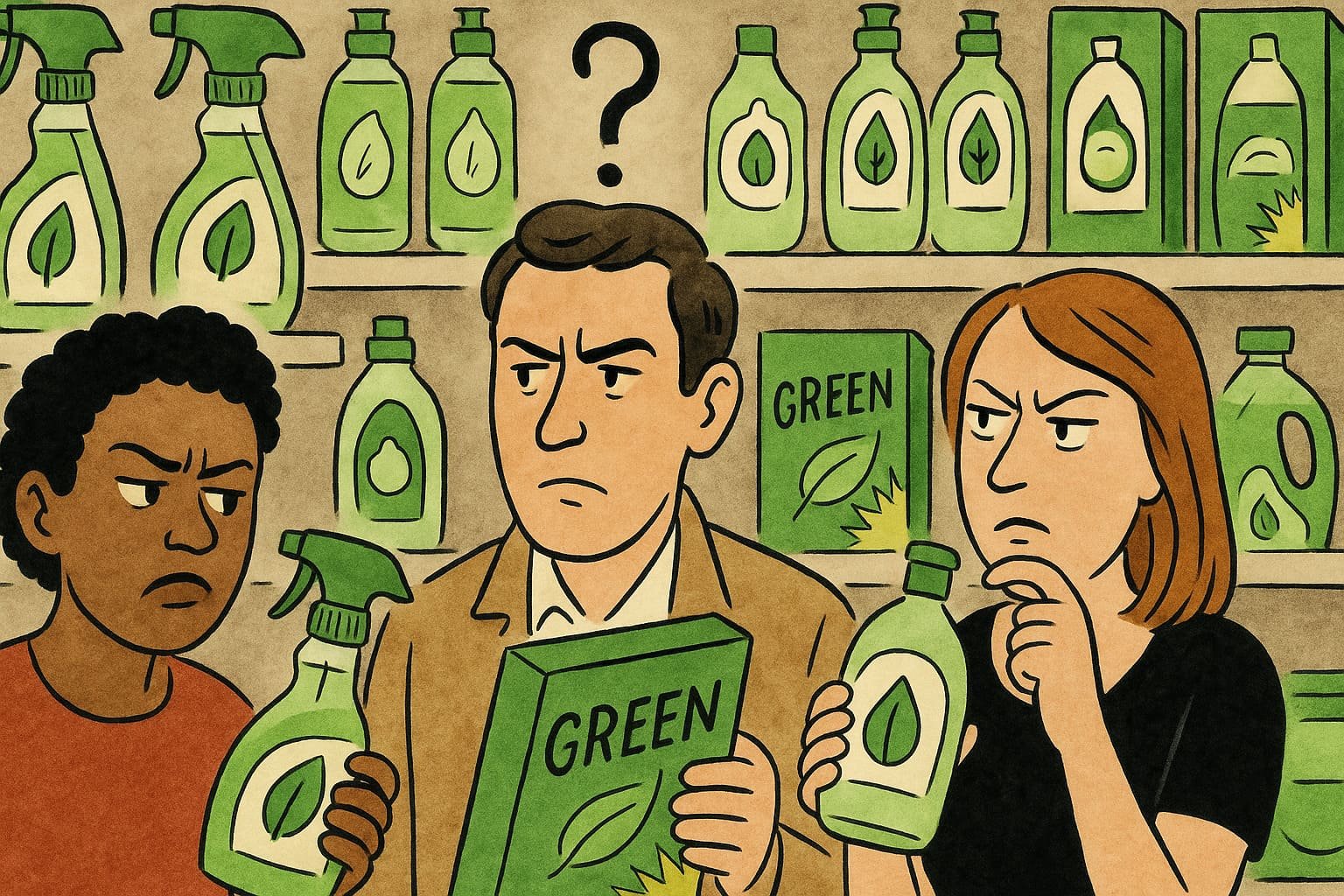
Walk through any supermarket, browse any tech aisle, or scroll through Instagram and you’ll find yourself neck-deep in “eco-friendly” promises. Labels whisper about sustainability. Packaging screams “earth-safe.” Influencers peddle green gadgets as if Mother Nature herself had endorsed them. But behind the haze of bamboo fonts and recycled symbols, a troubling question emerges: are we being played? The truth is sharper than recycled cardboard. The green revolution, once a genuine cry for help, has turned into a marketing goldmine. Companies spin tales, consumers clutch hope, and somewhere along the way, saving the planet became a profitable performance. This is the inside story of eco-friendly fakery; where well-meaning shoppers become unwitting actors in a sustainability soap opera. Ready for a reality check? Hold onto your hemp tote. The answer is more provocative than you think.
Quick Notes
- Green Hype, Hollow Hopes: Many so-called “green” products offer more sizzle than substance, often prioritizing marketing over measurable impact.
- Profit Over Planet: Companies use sustainability buzzwords to boost sales while quietly cutting corners and sidestepping real environmental improvements.
- Consumer Confusion: Everyday shoppers, eager to do good, struggle to decode misleading claims, leaving them susceptible to greenwashing scams.
- Unmasking the Pretenders: Investigative stories reveal how genuine brands create real change and how fakes get exposed when their eco-stories unravel.
- Demanding Real Change: The power to end eco-fakery lies with you. With smarter questions and collective pressure, consumers can push brands to be truly sustainable, not just stylish.
The Green Gold Rush: How Sustainability Became Big Business
There was a time when “eco-friendly” meant a backyard compost bin or a thrifted denim jacket. Today, the label is a billion-dollar badge of honor. Companies, sensing a seismic shift in consumer conscience, jumped on the green train with a zeal that would make even Greta Thunberg blink. But something got lost along the way. Instead of radical transformation, we got clever packaging and superficial tweaks. The green gold rush had begun, and nobody wanted to miss out on the spoils.
Brand strategists saw an opportunity. Surveys and social media trends told them people would pay more for “green” options. Suddenly, dish soaps, sneakers, and even toothpaste promised to save the world; sometimes with little more than a color change and a splashy logo. The real innovation? Marketing. The race to look sustainable often outpaced the race to be sustainable. This gap between image and reality widened with every dollar spent.
One telling example comes from a major fashion retailer. Their “conscious” line offered organic cotton T-shirts and recycled polyester leggings at premium prices. But an undercover investigation showed the company burned unsold inventory and sourced materials from suppliers linked to pollution. The feel-good story unraveled, leaving consumers with little more than guilt and green-tinted receipts.
Greenwashing is more than a buzzword; it’s an art form. Companies deploy vague language “natural,” “earth-friendly,” “biodegradable” to skate past scrutiny. Legal definitions lag behind marketing, so businesses fill the gaps with optimism and opacity. An audit of household cleaners found several “eco” products packed with the same chemicals as their standard counterparts, just hidden behind leafy logos.
So, who’s winning in this green gold rush? Often, it’s the companies, not the planet. Consumers pay a premium for peace of mind, but genuine environmental impact remains elusive. The line between responsible innovation and profitable posturing has never been blurrier.
The Smoke and Mirrors of Green Claims: Who’s Fooling Whom?
Eco-friendly labels work because they tug at our deepest fears and aspirations. Nobody wants to contribute to climate collapse. Marketers know this, so they engineer every detail to spark trust and urgency. Recycled-looking cardboard, forest imagery, and carefully worded claims pull us in. But beneath the surface, the truth gets murky. The gap between perception and practice is often chasm-wide.
One beauty brand touted its new shampoo as “plant-powered” and “sulfate-free.” Consumers rushed to buy, picturing rainforest botanicals in every bottle. But a journalist traced the supply chain and found the key ingredients came from industrial farms reliant on heavy pesticide use. The pretty story collapsed under scrutiny, revealing how easy it is for brands to blur the lines between nature and marketing fiction.
Even tech companies have joined the parade. A smartphone giant proudly launched a device with “eco-mode,” promising lower energy consumption. Enthusiasts cheered, but the feature simply dimmed the screen and limited background activity; a change users could activate on any phone. The announcement generated headlines, but the true environmental benefit barely moved the needle.
Food companies are not immune. “Cage-free,” “organic,” and “non-GMO” labels crowd supermarket shelves, but investigations often reveal supply chains riddled with exceptions. One egg producer was exposed for keeping hens in cramped conditions, despite “pasture-raised” promises. The result? Consumers paid more for the illusion of ethical sourcing, while the animals saw little improvement.
Green certifications themselves sometimes lose meaning. Some organizations sell badges to anyone willing to pay, no matter their practices. This creates a hall of mirrors, where even the most diligent shoppers struggle to separate the real from the theatrical. The end result: confusion, disappointment, and growing cynicism.
Who benefits most from this confusion? Brands that profit from ambiguity and a lack of oversight. The smoke and mirrors keep us reaching for eco-products; never quite sure if we’re making a difference or just chasing the next feel-good purchase.
Caught in the Greenwashing Trap: Real Stories from Real People
If you’ve ever bought a “green” product only to find it disappoints, you’re not alone. Ordinary shoppers, armed with the best intentions, often become collateral damage in the eco-marketing game. Take the story of Carla, a mother from Seattle who switched to “biodegradable” diapers for her newborn. The packaging promised compostable bliss, but city officials later told her the diapers ended up in the same landfill as regular brands. Carla’s effort, energy, and extra dollars changed nothing for the planet.
Small business owners also feel the sting. Marcus runs a neighborhood café and wanted to go “zero waste.” He invested in compostable coffee cups and straws, trusting supplier claims. Later, he discovered the items only biodegraded in industrial facilities, not backyard compost piles. Local waste management treated the cups as standard trash. Marcus realized he’d paid extra for a marketing myth, not an environmental solution.
Some stories hit closer to home. A teacher in London rallied her school to switch to “eco” cleaning products after seeing a viral ad. Months later, students began complaining about skin irritations, and lab analysis showed the products contained harsh synthetics hidden behind natural fragrances. The school reverted to its old supplier, but the sense of betrayal lingered.
Companies, too, fall into the trap. A tech startup launched a “green” phone case line, touting recycled plastics. After a viral expose, the founders admitted their supplier had mixed new and old plastics to cut costs. The PR fallout was brutal, and the brand’s credibility tanked. Their intentions were good, but due diligence was lacking.
Stories like these remind us that greenwashing isn’t just a nuisance; it’s a trap that wastes resources, erodes trust, and slows genuine progress. The cost isn’t just financial. It’s emotional, psychological, and environmental.
The Eco-Heroes and the Exposés: Who’s Actually Doing the Work?
Despite the flood of eco-fakery, a vanguard of brands, activists, and watchdogs fight for real change. These eco-heroes go beyond slick packaging, rethinking business models from the ground up. One outdoor apparel giant built its reputation on radical transparency, tracing every material and inviting third-party audits. Customers could scan tags to learn the full story; good, bad, or ugly.
Smaller startups also lead the charge. A family-owned soap company in Vermont sources local, organic ingredients and posts lab results online. Their sales grew slowly, but loyal customers spread the word. The founder, Maya, recalls a customer emailing to question a new fragrance ingredient. Instead of dodging, she shared sourcing challenges and adjustments made in response. That honesty built trust and lasting loyalty.
Investigative journalists and nonprofits shine light in the darkest corners. When a major bottled water brand claimed “ocean plastic” packaging, researchers found the actual percentage was tiny. The ensuing report forced a global reckoning and stricter oversight in labeling. Brands learned that with every green claim comes a responsibility to deliver or face exposure.
Even celebrities use their platforms for good. Actor Leonardo DiCaprio backs sustainable startups, but only after rigorous vetting by environmental experts. He’s turned down lucrative deals, prioritizing authenticity over quick profit. His foundation funds grassroots projects worldwide, amplifying real solutions and inspiring fans to scrutinize claims.
The lesson: while many ride the green wave, true eco-heroes welcome scrutiny, share setbacks, and put planet before profit. They know change is slow, messy, and sometimes unglamorous. But their stories prove that with grit, honesty, and community pressure, real transformation is possible.
How to Outsmart Eco-Fakery and Fuel Real Sustainability
The fight against greenwashing starts with sharper questions and bolder demands. Don’t trust a green label alone; dig deeper. Seek brands that share complete supply chain stories, not just feel-good taglines. Check for third-party certifications from respected organizations, and beware of badges that can be bought with a credit card.
Community matters more than marketing. Join local zero-waste groups, swap tips, and share trusted brands. A friend’s recommendation often beats a viral ad. When in doubt, choose products with minimal packaging and simple ingredients; complexity often hides shortcuts. The best green products are usually the most boring: soap bars, unwrapped veggies, secondhand goods.
Hold companies accountable by sharing feedback and reviews. Social media makes it easier than ever to call out greenwashing and reward real sustainability. A viral tweet or viral video can force brands to rethink practices overnight. Remember, you’re not just a consumer; you’re a catalyst.
Embrace imperfection and demand progress, not perfection. Every purchase is a chance to ask for more transparency, better ingredients, and honest stories. Support businesses willing to show their flaws and fix mistakes. Progress, not posturing, changes the world.
If you feel duped by a green scam, channel your frustration into activism. Campaigns, petitions, and consumer groups have forced regulatory changes and stricter labeling laws. Your voice counts, and collective pressure bends the arc toward real sustainability.
Green Products or Green Lies? The Choice Is in Your Hands
The eco-friendly marketplace is a jungle brimming with good intentions, wild claims, and hidden pitfalls. The fight for sustainability is not lost, but it is far from simple. Behind every green package lies a story: sometimes honest, sometimes opportunistic, always worth questioning. The green product revolution will only work if we push beyond pretty labels and demand the truth.
Don’t settle for performance. Don’t let marketing decide what “sustainable” means for your family or your future. With sharper questions, collective action, and a dash of healthy skepticism, you hold the power to expose eco-fakery and nurture real change.
Are green products a scam? Only if we let them be. The next chapter belongs to those who look past the slogans and build a future where green means genuine. So next time you grab that eco-bottle, ask yourself: is this a product, a promise, or just another pretty lie? The answer could change everything.
Partnered. Provocative. Worth Your Scroll.
This is a Promoted Post by ESYRITE—yes, it’s paid, but never filtered. Our voice stays raw, real, and razor-sharp. We team up with bold ideas, game-changers, and stories that spark something real. If it’s here, it earned its place—no fluff, just impact. We don’t just promote—we provoke. Stay sharp. Dive deeper.
