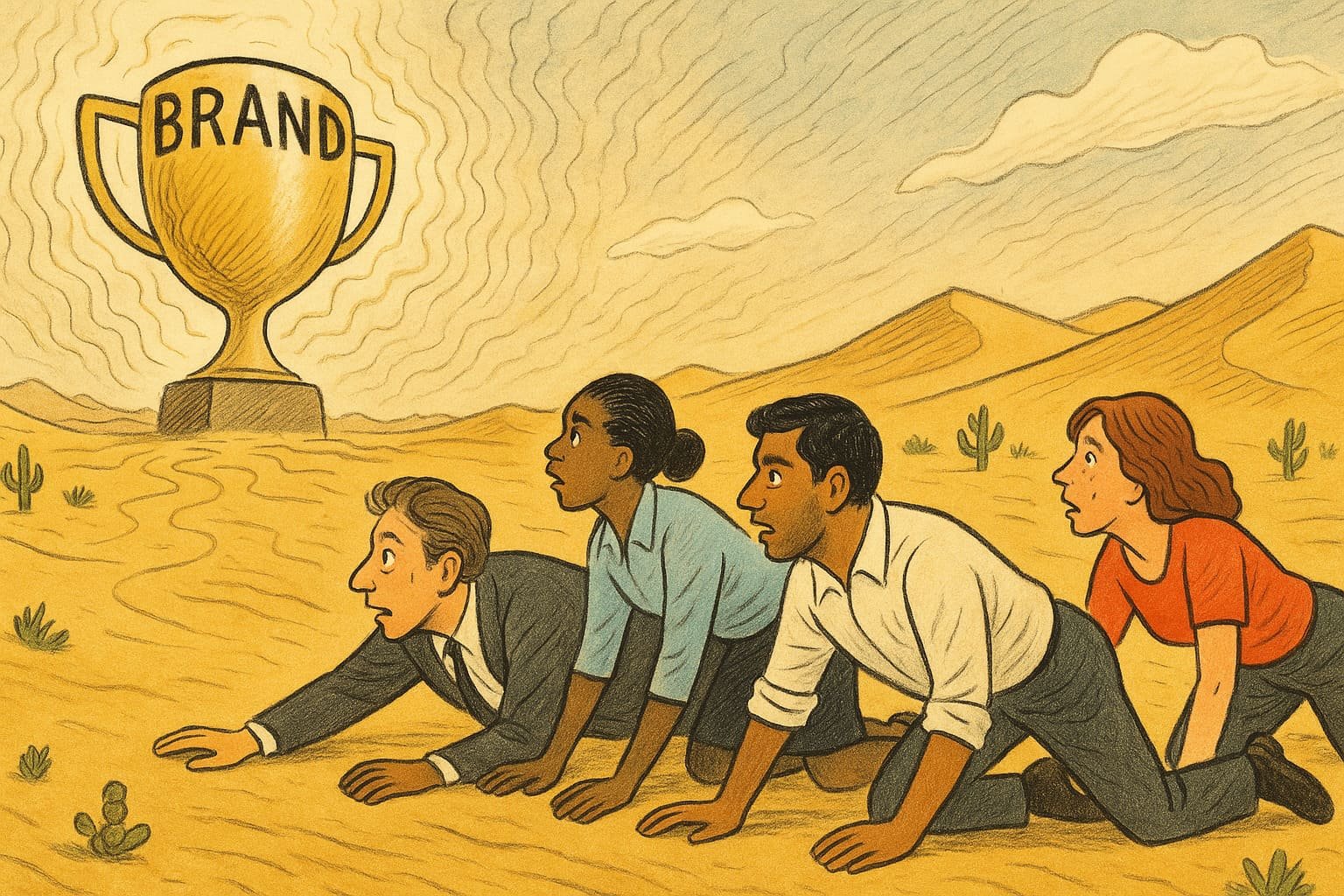
Imagine this: It’s 2:43 a.m. in a dimly lit co-working space, and a twenty-something founder is hunched over a laptop, polishing a pitch deck for tomorrow’s VC call. On the next screen, a graphic designer in another time zone tweaks a logo pixel by pixel, while a marketing intern drafts a tweet, wondering if one viral post could make or break the startup’s fate. Across the digital universe, competitors are flooding LinkedIn, TikTok, and Discord, all elbowing for attention, followers, and that magical word traction.
Startup founders today live and die by their social media presence. Funding rounds, user acquisition, partnerships sometimes even team morale hinge on a brand’s ability to cut through the noise and grab eyeballs. Is this obsession with branding just Silicon Valley voodoo, or has the world genuinely shifted? Is social media startup branding an expensive vanity project, or is it the single most vital lifeline for young ventures battling Goliaths?
This isn’t just an academic debate. The answer can mean the difference between fizzling out or becoming the next household name. Today’s startup story isn’t just about code or product; it’s about the narrative, the perception, the myth-making that happens in every carefully crafted tweet and Instagram story. So, let’s pull the curtain back on startup branding in the social media age fact, fantasy, or the magic that transforms nobodies into legends?
Quick Notes
- Branding on social media can turn a no-name startup into an industry disruptor but hype alone is never enough.
- Viral campaigns build momentum, but sustainable brands are forged through consistent values, not just trends.
- Authenticity and storytelling separate one-hit wonders from legendary unicorns in the attention economy.
- Real case studies prove that a strategic brand presence can unlock partnerships, funding, and loyal communities.
- Startups that treat branding as an afterthought risk irrelevance; those who treat it as their heartbeat build empires.
The Myth of Overnight Fame: Why Virality Alone Won’t Save You
Scroll through any tech newsfeed and you’ll see headline after headline: “How X Startup Gained 100,000 Users in a Week!” These stories are intoxicating. Founders dream of that single viral TikTok, that perfect Twitter thread, or the moment an influencer posts their product to millions. On the surface, it looks easy just make people care, and you’ll be rolling in users and VC checks by Thursday.
But the startup graveyard is littered with ventures that mistook hype for substance. The photo-sharing app Peach exploded on Twitter, became the darling of journalists for a month, then faded into oblivion when its product failed to keep users coming back. Remember Meerkat? Blazing fast rise, then poof gone. Viral spikes bring attention, but they’re as fleeting as a trending meme.
Building a lasting brand on social media demands more than clever hashtags and sponsored content. Hype can get you a seat at the table, but it won’t keep you there. For every overnight sensation, there are founders who spend years quietly building trust, engaging communities, and refining their brand DNA.
Serial entrepreneur Tina Roth Eisenberg (a.k.a. Swissmiss) once shared how her design platform, Tattly, grew slowly and organically, fueled by relentless honesty and genuine engagement with customers. No viral boom just day-in, day-out human connections. The lesson? In a world obsessed with metrics, slow burns can outlast shooting stars.
So, is virality essential? Maybe. But it’s never enough. It’s the opening line, not the last word.
Brand or Be Forgotten: Social Media as a Startup Battleground
Every year, thousands of startups pop into existence with little more than a URL, a logo, and a vague mission statement. In a universe of infinite noise, your first battle is being noticed your next is being remembered. Social media branding has become the great equalizer: with a little creativity and a lot of hustle, even the smallest players can punch above their weight.
For evidence, look no further than the meteoric rise of Calendly. Founder Tope Awotona built a simple scheduling tool, then used social media to transform it into a must-have for entrepreneurs and execs worldwide. Not by outspending competitors, but by building an instantly recognizable, helpful, and approachable brand one meme, one how-to video, one community shoutout at a time.
When startup founders treat branding as an afterthought, they often blend into the digital wallpaper. Brands that live, breathe, and interact with their audience on platforms like Twitter (X), Reddit, and YouTube become part of daily conversation. It’s not about how much you say it’s how well you say it, and how consistently you show up.
Brand equity isn’t built on day one; it’s a compound effect of every post, every reply, every story shared. Communities reward authenticity. Whether it’s Discord servers for indie games or Instagram for plant-based snack startups, successful brands become destinations. They’re not just selling products they’re selling belonging.
Ignore branding and you risk digital invisibility. Master it, and your startup could become the next Slack, Notion, or Duolingo icons born from relentless storytelling.
Authenticity Sells: Why Fake Brands Die Fast
It’s tempting to manufacture a persona quirky, edgy, woke because that’s what seems to “work” online. But digital natives sniff out inauthenticity faster than a Twitter storm. The most powerful social media brands feel real, flawed, and human. The magic happens when startups align their messaging, values, and culture with what they actually deliver.
Bumble’s Whitney Wolfe Herd built her dating app empire on a simple story: women make the first move. The brand’s social content echoed that mission everywhere, from TikTok to IRL college tours. It resonated because it was rooted in truth, not manufactured cool. When values match visuals, trust flourishes.
Authenticity isn’t a buzzword it’s an existential advantage. AirBnB’s “Belong Anywhere” campaign worked because it tapped into a deeper human desire for connection. Their hosts and users became storytellers, filling Instagram and YouTube with genuine testimonials, not staged endorsements.
Branding missteps, on the other hand, can be fatal. When Fyre Festival promised paradise, then delivered chaos, it became a punchline for fake branding proving that hype without substance is a recipe for disaster.
True brand loyalty is born from vulnerability. Startups that share their journey the failures, the pivots, the lessons invite audiences to root for them. The era of faceless corporations is over; today’s winning brands act like people, not products.
Real Results: The Science (and Art) of Social Branding
Behind the Instagram filters and witty tweets lies a discipline that combines psychology, data, and old-fashioned creativity. Legendary branding isn’t an accident it’s a craft. Social media gives startups tools once reserved for giants, letting them test ideas, track sentiment, and course-correct in real time.
Take Glossier, which started as a beauty blog and became a cult favorite by crowdsourcing ideas directly from its followers. Every product launch felt like a community event. Their brand voice was so conversational that fans felt like insiders, not customers. That intimacy translated into viral growth and sales.
Branding isn’t just about growth it’s also about resilience. When Slack faced outages, their social team responded with humility, humor, and lightning-fast updates. Users forgave the downtime because the brand had built a reservoir of goodwill. One well-timed tweet can save a reputation that took years to build.
Successful founders understand that brand isn’t a layer on top of the product it’s baked into every interaction. Every touchpoint, from onboarding emails to customer support DMs, shapes perception. It’s why Tesla can withstand PR nightmares and still inspire rabid loyalty, or why Wendy’s Twitter roasts go viral and keep people coming back for burgers.
Social media branding is art, but also analytics. Startups that blend both create self-sustaining engines for growth, engagement, and market leadership.
Brand as Destiny: What Startups Lose by Playing Small
Many startups stall out not because their product fails, but because they never give their brand room to breathe. In a culture saturated with choices, people buy brands before products. They want to feel something, to belong, to align with a bigger narrative.
Clubhouse exploded during the pandemic by selling exclusivity the invite-only aura became their brand. When they lost their mystique, competitors swarmed, and growth slowed. The takeaway: brands are living things. They evolve, get challenged, and sometimes even collapse if founders don’t nurture them.
Legendary investor Ben Horowitz argues that a startup’s brand is its single greatest asset. When markets turn, when products falter, it’s the story, not the software, that gives a company second, third, and tenth chances. Brand survivors like Apple, Nike, and Netflix show that reinvention and resilience go hand in hand.
Conversely, treating branding as mere hype is a slow-motion suicide. Startups who see it as superficial miss the entire point. Brand is trust, memory, culture everything that lets you transcend features and enter hearts and minds.
The most enduring startups dare to dream big, invest in their myth, and own their narrative. They don’t wait for luck they manufacture it, tweet by tweet, story by story, until everyone’s listening.
Hype, Hope, or the Heartbeat of Startup Survival?
The world’s next great startup will not win by having the fastest servers or the cleverest code. It will win by owning its story, living its values, and building a brand so unforgettable, even cynics pay attention. Social media branding is no longer optional it’s the front line, the main event, the arena where legends are born and forgotten.
So, is it hype or is it essential? The answer depends on whether you want to fade or to matter. In the era of infinite scrolling, your brand is your lifeboat. Invest in it like your venture depends on it because it does.
As you build your company’s future, ask yourself: Are you chasing trends or building a legacy? The difference is everything. And your brand is the story people will tell long after the hashtags stop trending.
