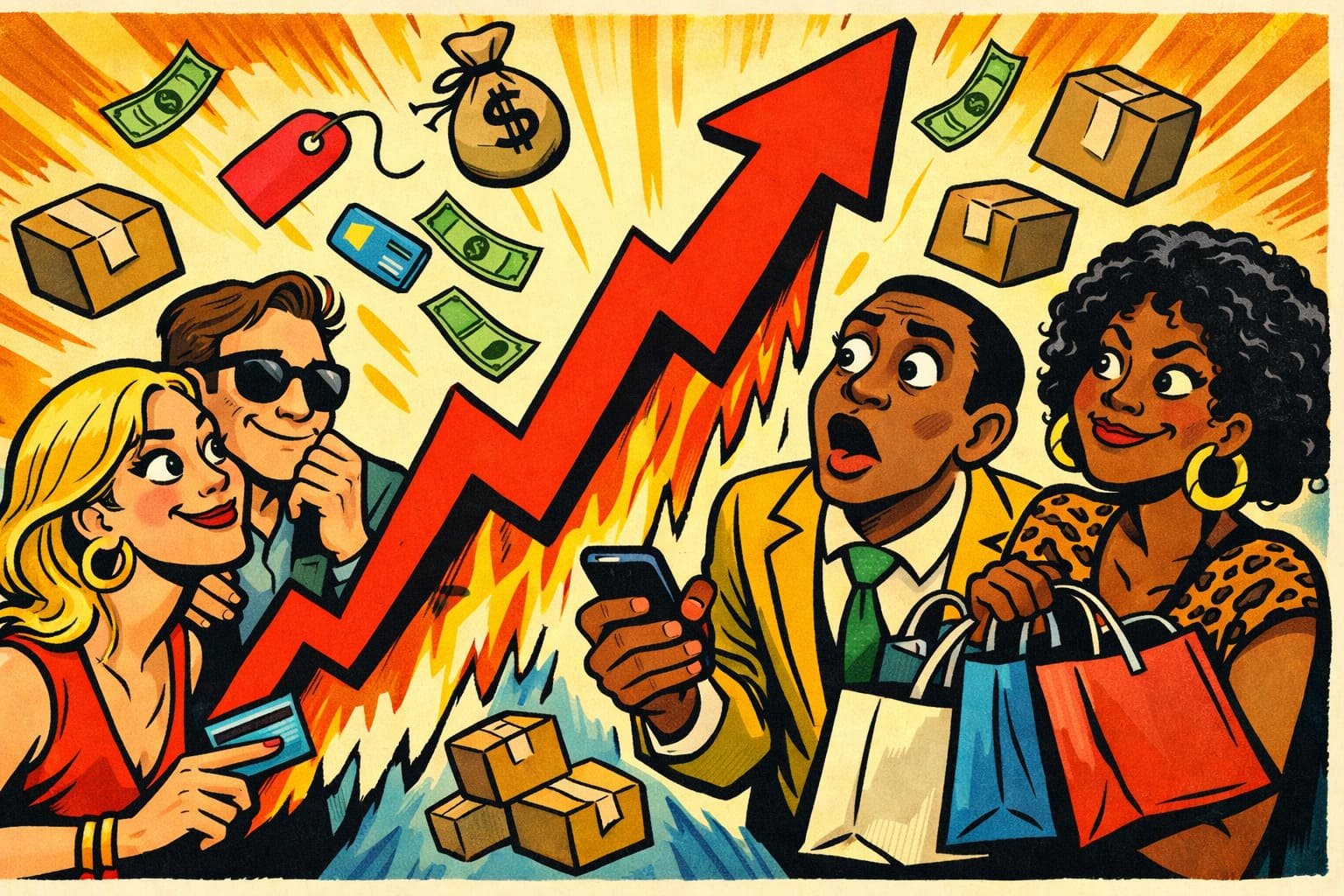
A single handwritten price tag hanging beneath a weathered leather bag carried more tension than a courtroom verdict. Shoppers slowed, stared, then walked away before circling back minutes later, almost embarrassed by their own curiosity. Nobody whispered about stitching or craftsmanship because every conversation revolved around one number. Strange, really. Human beings rarely buy products first. They purchase interpretations, stories, expectations, and quiet promises that prices silently plant inside restless minds before logic ever receives an invitation to speak.
Businesses often believe demand rises because products improve, yet buying decisions usually begin much earlier inside perception. Price becomes a shortcut for quality, confidence, scarcity, and belonging before features enter consideration. Rory Sutherland has long argued that value lives inside psychology rather than spreadsheets, and successful companies quietly understand that lesson. A neighborhood bakery increased premium pastry sales after raising prices while improving presentation, because customers suddenly viewed ordinary treats as worthy celebrations instead of routine snacks purchased without emotion.
Consider Apple, where premium pricing rarely discourages loyal buyers because higher prices reinforce expectations about craftsmanship, ecosystem reliability, and identity. Costco follows an entirely different path, using trusted value pricing to convince shoppers that bargains hide around every corner waiting to be discovered. Elena owned a struggling skincare brand until she stopped competing on discounts and redesigned packaging with deliberate confidence. Customers questioned higher prices briefly, then returned more frequently because perceived credibility finally matched product quality.
Another story unfolded inside a tiny bookstore where owner Karim refused endless promotions despite pressure from neighboring retailers. Instead, handwritten recommendations beside carefully priced titles transformed browsing into discovery, encouraging readers to linger rather than compare discounts online. Patagonia demonstrates similar discipline by pricing according to durability and environmental commitment instead of chasing constant markdowns. Behavioral economists describe this as signaling, where price communicates invisible qualities that consumers cannot immediately inspect but willingly trust through carefully crafted market cues.
Oddly enough, an antique clock resting inside a forgotten hotel lobby explains modern marketing surprisingly well. Guests glanced at its faded face, assumed historical importance, and photographed it repeatedly despite nobody confirming its origin. Perception filled empty spaces with meaning. Brands experience identical moments every day. A carefully positioned price shapes expectations before customer service, advertising, or product experience either confirms or destroys that initial emotional contract, making pricing strategy less about arithmetic than narrative architecture.
Rain tapped softly against storefront windows while passing strangers continued making silent judgments without noticing their own internal conversations. Every purchase carried invisible negotiations between aspiration, identity, memory, and emotion disguised as rational comparison across competing alternatives. Markets reward organizations that respect this hidden dialogue instead of treating customers like predictable calculators. Next time a price makes immediate sense, pause briefly and ask whether value persuaded your wallet, or whether perception quietly rewrote your decision before reason arrived.
