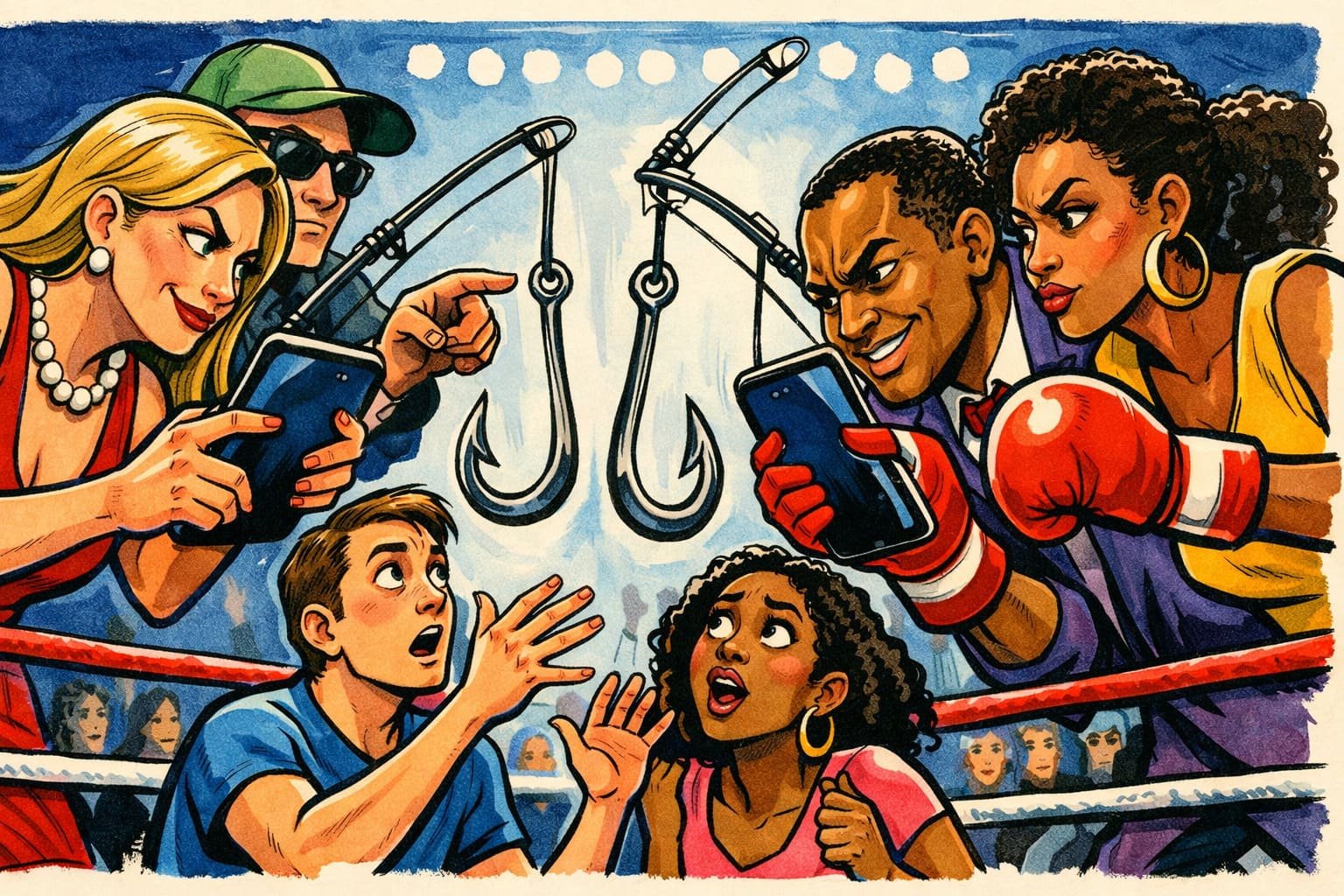
A glance lasts less than a heartbeat, yet entire companies rise or vanish inside that fragile pause. Across crowded phone screens, glowing billboards, streaming platforms, and overflowing inboxes, advertisements wrestle like desperate performers beneath a collapsing circus tent, each convinced another louder trick will rescue fading applause. Most never earn a second look. Attention has become rarer than capital because every brand can buy exposure, while very few understand curiosity. That difference decides which campaigns disappear quietly and which become conversations people willingly carry into tomorrow.
Many executives still believe advertising succeeds through larger budgets or sharper graphics. Reality feels far stranger. Consumers no longer reject promotions because they dislike brands. They reject predictable beginnings. Every swipe teaches audiences to identify familiar sales patterns before a headline finishes breathing. A compelling hook interrupts that invisible prediction engine. Netflix previews, movie trailers, bestselling books, and unforgettable speeches all understand one uncomfortable truth: curiosity always arrives before persuasion, while explanations earn permission only after intrigue has opened the door.
Apple demonstrates this discipline with remarkable consistency. Product launches rarely begin with exhaustive specifications because engineers know emotion arrives before comparison. Nike follows another path, placing human struggle ahead of footwear until ambition quietly becomes inseparable from sneakers. A small outdoor equipment retailer discovered a similar lesson after replacing technical product descriptions with photographs of muddy boots beside exhausted campfires. Sales climbed because customers imagined stories before evaluating equipment. Another bakery stopped advertising fresh bread and instead asked, “What memory deserves today’s first slice?” Local conversations multiplied without increasing advertising spend.
One unusual observation keeps returning. Children often unwrap expensive toys, then spend longer playing with cardboard boxes. Curiosity values possibility more than certainty. Skilled marketers borrow that instinct rather than fighting against it. Pixar understands audiences crave unanswered questions before emotional resolution arrives. A software startup called Rivet Labs experienced this unexpectedly after replacing feature-heavy advertisements with one headline asking why talented teams still dreaded Monday meetings. Demonstrations stayed identical, yet inquiries accelerated because prospects wanted an answer before requesting a product demonstration.
Behavioral researchers have long explained that human attention favors surprise, novelty, and unresolved patterns. Skilled advertisers transform those principles into repeatable systems rather than lucky creative accidents. Consider Spotify Wrapped. Annual excitement rarely depends upon unfamiliar technology. Instead, anticipation grows because millions wait to discover a personal story hidden inside familiar listening habits. Marketing strategist Seth Godin often reminds audiences that remarkable ideas spread because people choose to discuss them. Hooks create that invitation. Campaigns become memorable whenever audiences participate mentally instead of observing passively.
Across crowded marketplaces, another advertisement begins blinking without realizing countless rivals are shouting nearby. Most voices dissolve into digital wallpaper before reaching another mind. A rare message pauses just long enough to spark quiet wonder, inviting strangers closer without demanding attention through noise alone. That patient restraint often outlives louder competitors chasing fleeting clicks. Every memorable campaign starts with a question hidden inside ordinary moments, waiting for curious people brave enough to stop scrolling and discover what follows.
