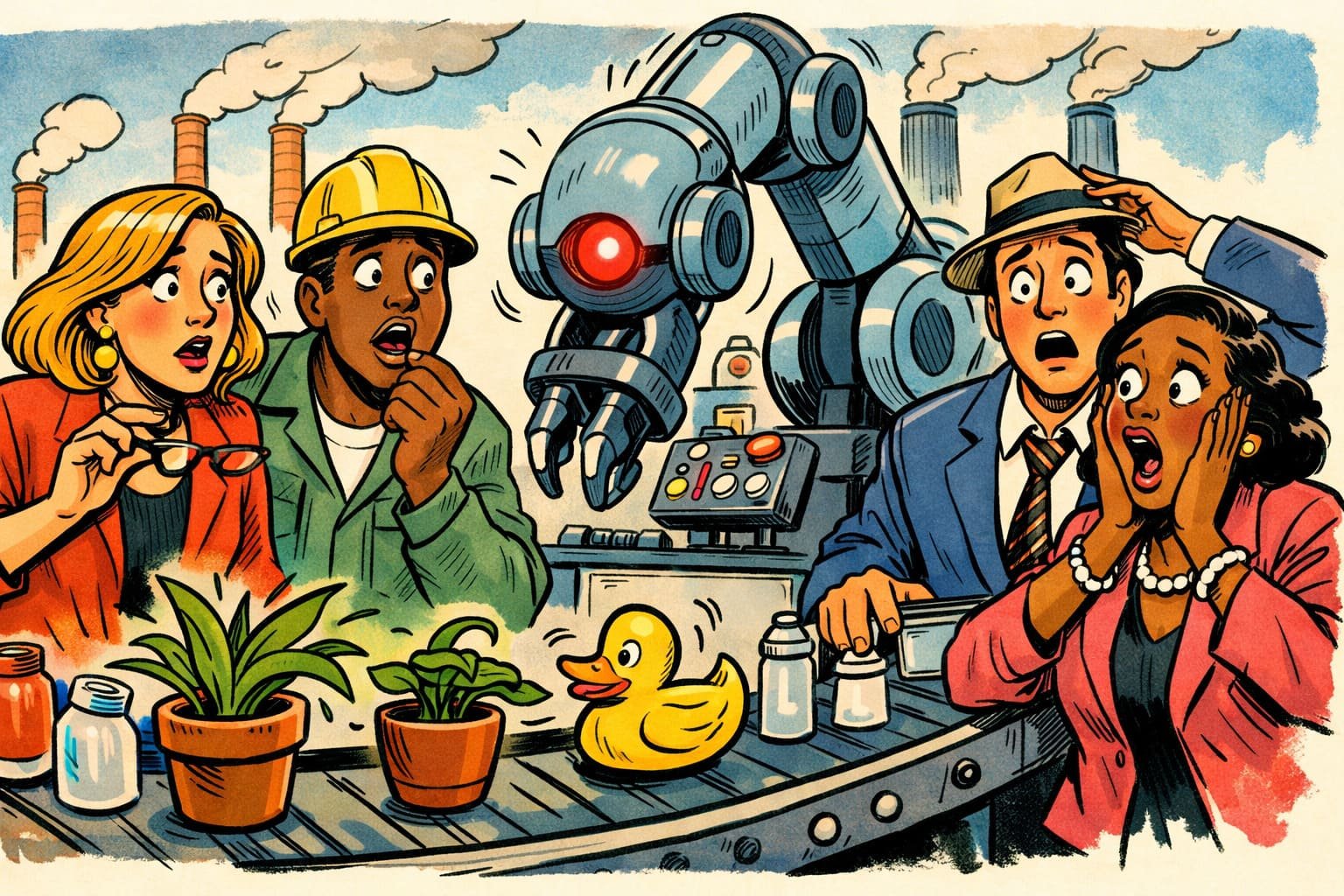
The factory floor carried an unusual rhythm. Injection molding machines opened and closed with perfect timing while robotic arms lifted fresh components before human eyes could fully register the movement. Warm plastic carried a faint chemical scent through the building, blending with the quiet hum of compressors that never seemed to rest. Visitors admired the machinery. Veteran operators watched something far more important. Every synchronized movement represented thousands of decisions that no longer depended on memory, luck, or frantic last-minute intervention. Automation had quietly become the invisible foreman running the entire operation.
Plastic manufacturing has always balanced precision against relentless speed. Customers expect flawless quality while demanding lower prices and faster delivery. A single defect can ripple across entire production batches, creating waste, delayed shipments, and damaged customer confidence. Many factories respond by pushing employees harder. The strongest manufacturers choose another path. They redesign systems until quality becomes predictable rather than dependent on extraordinary effort. Sustainable competitiveness grows from disciplined processes, not exhausted people trying to compensate for operational weaknesses.
Automation transforms production by removing uncertainty from repetitive work. Intelligent sensors monitor temperatures continuously. Vision systems inspect finished components with remarkable consistency. Predictive maintenance software identifies equipment wear before costly breakdowns interrupt production. Digital scheduling coordinates raw materials, production capacity, and shipping requirements with impressive precision. Skilled technicians remain essential because machines still require thoughtful oversight, creative problem solving, and practical judgment. Technology handles repetition. Human expertise continues shaping innovation, safety, and continuous improvement.
Plant manager Sofia experienced this transformation after securing a major contract supplying packaging materials across several countries. Orders increased rapidly, but so did production defects and overtime costs. One evening she stood beside a molding machine watching experienced operators manually inspect thousands of identical components. A maintenance engineer quietly observed, “The people are working harder than the machines.” That simple remark changed the direction of the business. Sofia introduced automated quality inspection, predictive maintenance, and connected production monitoring. Within months, waste declined because problems were identified before defective products reached the next stage of manufacturing.
Global manufacturers continue embracing this philosophy. Berry Global has invested in advanced manufacturing technologies, automation, and operational efficiency to strengthen product quality while improving production performance. Across the plastics industry, companies increasingly recognize that automation is not simply about reducing labor. It is about increasing consistency, protecting margins, and creating manufacturing environments capable of adapting quickly to changing customer expectations without sacrificing reliability.
Automation also reshapes workplace culture in unexpected ways. Employees spend less time performing repetitive inspections and more time solving operational challenges that genuinely improve the business. Supervisors stop reacting constantly to avoidable equipment failures because predictive systems provide early warning before disruption spreads. Conversations shift from blame toward improvement. Curiosity replaces frustration. The factory becomes a place where skilled people continuously refine processes instead of endlessly repairing yesterday’s preventable mistakes. Productivity improves because attention moves toward innovation rather than recovery.
There is another lesson hidden beneath modern manufacturing technology. The companies leading tomorrow’s plastics industry are not necessarily those purchasing the newest equipment first. They are the organizations building cultures willing to question outdated assumptions every single day. Automation succeeds when leadership encourages learning, experimentation, and disciplined execution alongside technological investment. Sophisticated machinery inside a resistant culture delivers disappointing results. Intelligent systems supported by adaptable people create lasting competitive advantage that competitors struggle to replicate.
As production continues through another demanding shift, every molded component tells a larger story than customers will ever notice. Behind each finished product stands an invisible network of disciplined systems quietly protecting quality, profitability, and resilience. The future of plastic manufacturing belongs to organizations that stop relying on heroic effort and start building intelligent operations capable of improving with every production cycle. Ask yourself one difficult question: is your factory still depending on harder work, or has it learned to work brilliantly instead?
