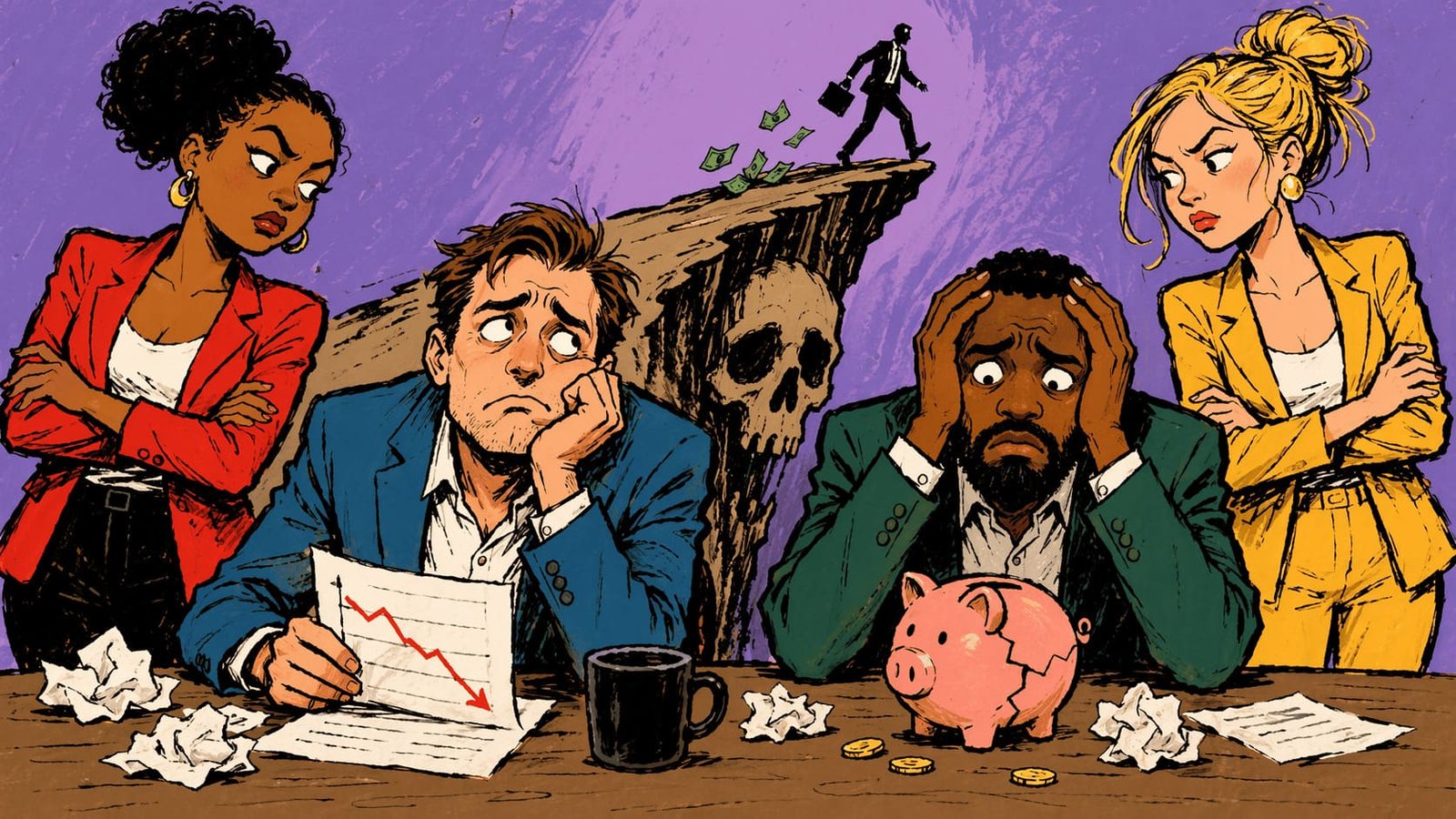
Steam curled above untouched coffee while a founder stared at a dashboard glowing with impressive visitor numbers, glowing headlines, and enthusiastic social media applause. Every metric whispered success, yet payroll approached faster than revenue, creating a tension that no celebration could disguise. Applause can become dangerously expensive. Businesses rarely collapse because people stop cheering, they collapse because admiration never becomes sustainable cash flowing through disciplined commercial systems.
Entrepreneurship often celebrates growth while treating profitability like an optional milestone waiting somewhere beyond another funding round. That belief has buried countless promising ventures because customers who love a product are not always willing to pay enough to support its future. Amazon spent years sacrificing profits, yet its strategy rested upon extraordinary operational discipline and clear long term economics. Copying visible behavior without understanding invisible foundations remains one of business’s costliest mistakes.
WeWork became a global symbol of ambition fueled by remarkable storytelling, although its financial structure struggled beneath spectacular expansion. Investors admired bold vision until practical economics demanded attention. Nadia launched a premium meal delivery company that quickly attracted thousands of enthusiastic followers. Her accountant quietly asked one uncomfortable question during a routine meeting, “How does every order create lasting value?” That conversation redirected pricing, simplified operations, and rescued a company drifting toward glamorous failure.
A crowded weekend farmers’ market offers a curious lesson. One fruit seller proudly displayed enormous baskets that attracted endless compliments, while another stocked fewer varieties and quietly sold out before lunch because every purchase earned healthy margins. Spectacle often distracts from substance. Warren Buffett repeatedly reminds investors that businesses ultimately earn value through cash generation, not popularity. Markets eventually reward enterprises producing durable economics instead of attractive narratives floating above fragile financial realities.
Healthy businesses treat profit as oxygen rather than applause. Nobody celebrates breathing until air disappears, and nobody appreciates margins until cash suddenly becomes scarce. Omar operated a software consultancy that rejected unprofitable contracts despite pressure to expand rapidly. Friends questioned his caution while competitors announced dramatic growth. Years later his disciplined company acquired two struggling rivals whose impressive headlines had concealed dangerous financial weaknesses beneath polished presentations and ambitious forecasts.
Streetlights shimmered across empty storefront windows where faded opening posters still promised extraordinary futures that never arrived. Dreams deserve admiration, yet disciplined economics determine whether those dreams survive another season, another payroll cycle, and another unexpected market shock. Every entrepreneur eventually faces a simple choice between building attention or building endurance. Build a company that earns admiration because it creates profit, not one that needs admiration to excuse the absence of it.
