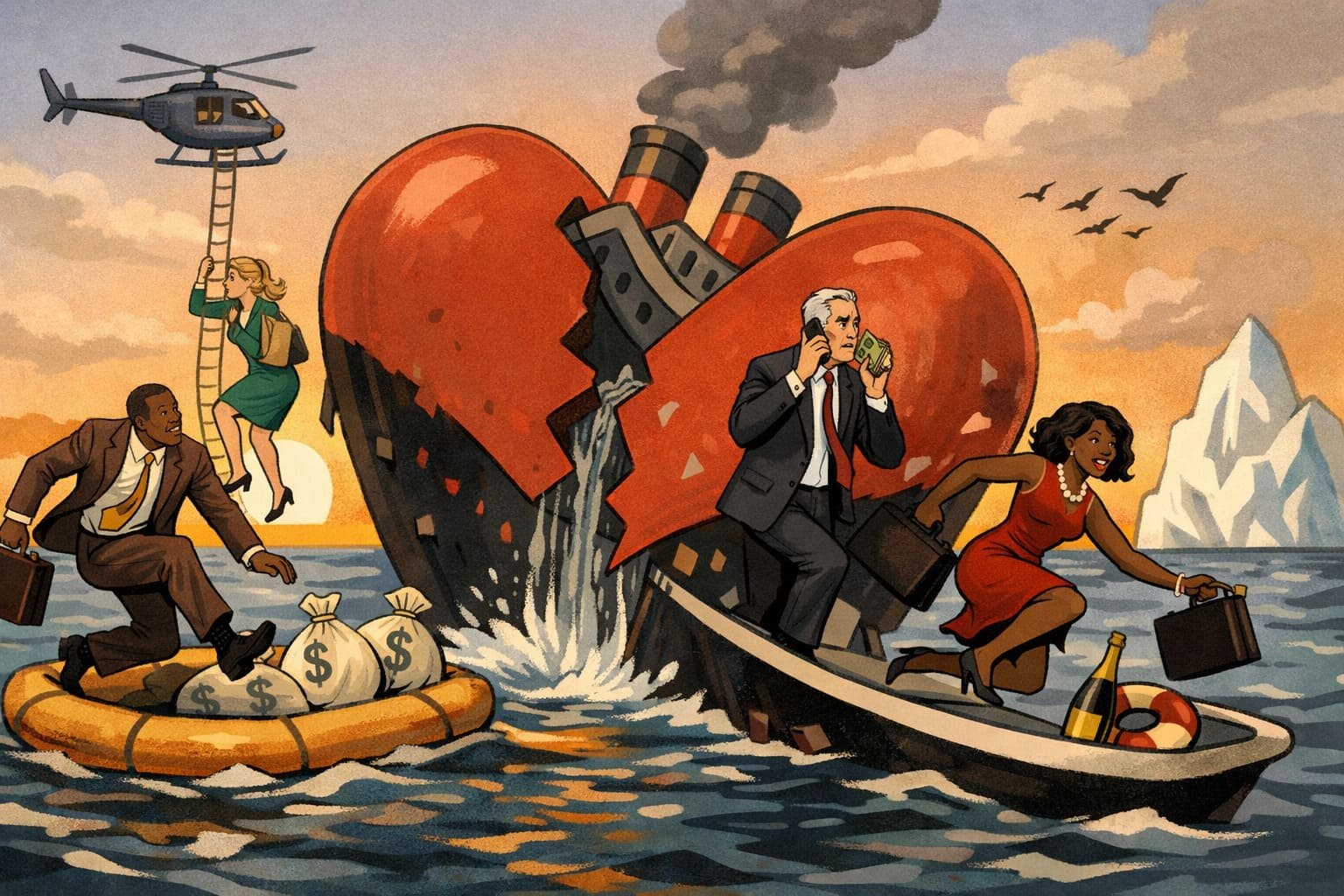
The founder walked slowly through the factory one last time. Every machine carried a memory. Every office reminded him of impossible deadlines, sleepless nights, and victories that once felt unimaginable. Employees waved as they always had, unaware that investors had arrived downstairs to discuss acquiring the business he had spent thirty years building. His advisors focused on numbers. His heart focused on history. The hardest part of selling a business is rarely agreeing on the price. It is accepting that emotional attachment can quietly become the greatest obstacle to protecting everything that has been built.
Entrepreneurs often fall deeply in love with their businesses, and understandably so. A company represents years of sacrifice, personal identity, financial risk, and countless moments of resilience. That emotional connection fuels extraordinary commitment during difficult times. It also creates dangerous blind spots. Owners begin believing the business can never succeed without them. They postpone succession planning. They reject attractive acquisition offers. They ignore changing markets because the past has always rewarded persistence. Love becomes a strength until it prevents rational decision making.
One of the most difficult leadership lessons is recognizing when holding on creates greater risk than letting go. Markets evolve. Customer expectations change. New technologies disrupt established industries. Competitors emerge with business models that challenge long-standing assumptions. A business that once dominated its market can gradually lose relevance despite remarkable history. Wise owners understand that timing often determines whether they exit from a position of strength or remain long enough to watch enterprise value slowly decline. Selling is not surrender. Sometimes it is the most strategic decision a leader can make.
Founder Caroline experienced this reality after building a respected medical equipment distribution company over twenty-five years. Several private investors approached her with generous acquisition proposals, yet she rejected every offer because she believed another decade of growth remained ahead. Meanwhile, larger competitors invested heavily in digital logistics, automated inventory systems, and advanced customer platforms. Revenue eventually stabilized before beginning a gradual decline. Caroline later reflected that her greatest mistake was not refusing the first offer. It was allowing emotion to delay objective evaluation of changing market conditions. When she finally sold the company, the business remained successful, but its valuation no longer reflected its former strength.
Corporate history demonstrates the importance of adapting before decline becomes irreversible. Instagram accepted acquisition by Meta Platforms at an early stage of its growth, allowing the platform to scale globally with resources that would have been difficult to build independently. Every business follows its own path, yet one lesson remains clear. Successful exits often occur because leaders evaluate opportunity objectively rather than emotionally.
Selling a business also requires separating personal identity from organizational ownership. Many founders unconsciously believe they are the business. As a result, every acquisition discussion feels personal instead of strategic. Healthy leadership recognizes a different truth. Businesses exist to create value for customers, employees, shareholders, and communities. Ownership represents stewardship rather than permanent possession. Leaders who embrace this perspective evaluate opportunities with greater clarity because they prioritize the organization’s future above personal attachment.
Preparation plays an equally important role. Businesses consistently command stronger valuations when financial records remain organized, operational systems function independently, leadership responsibilities are distributed, and customer relationships extend beyond the founder alone. Buyers invest confidently in organizations capable of thriving after ownership changes. Owners who prepare years before selling create more options because they negotiate from strength instead of urgency. The best exits rarely happen unexpectedly. They are carefully designed long before buyers enter the conversation.
As another entrepreneur locks the office late in the evening, surrounded by memories built across decades of determination, one difficult question quietly waits for an honest answer. Are you protecting your legacy, or protecting your attachment to it? Businesses are born through courage, sustained through discipline, and sometimes preserved through the wisdom to let someone else carry them into the future. The finest leaders understand that success is not measured by how long they hold on. It is measured by whether the business continues thriving long after they have stepped aside.
