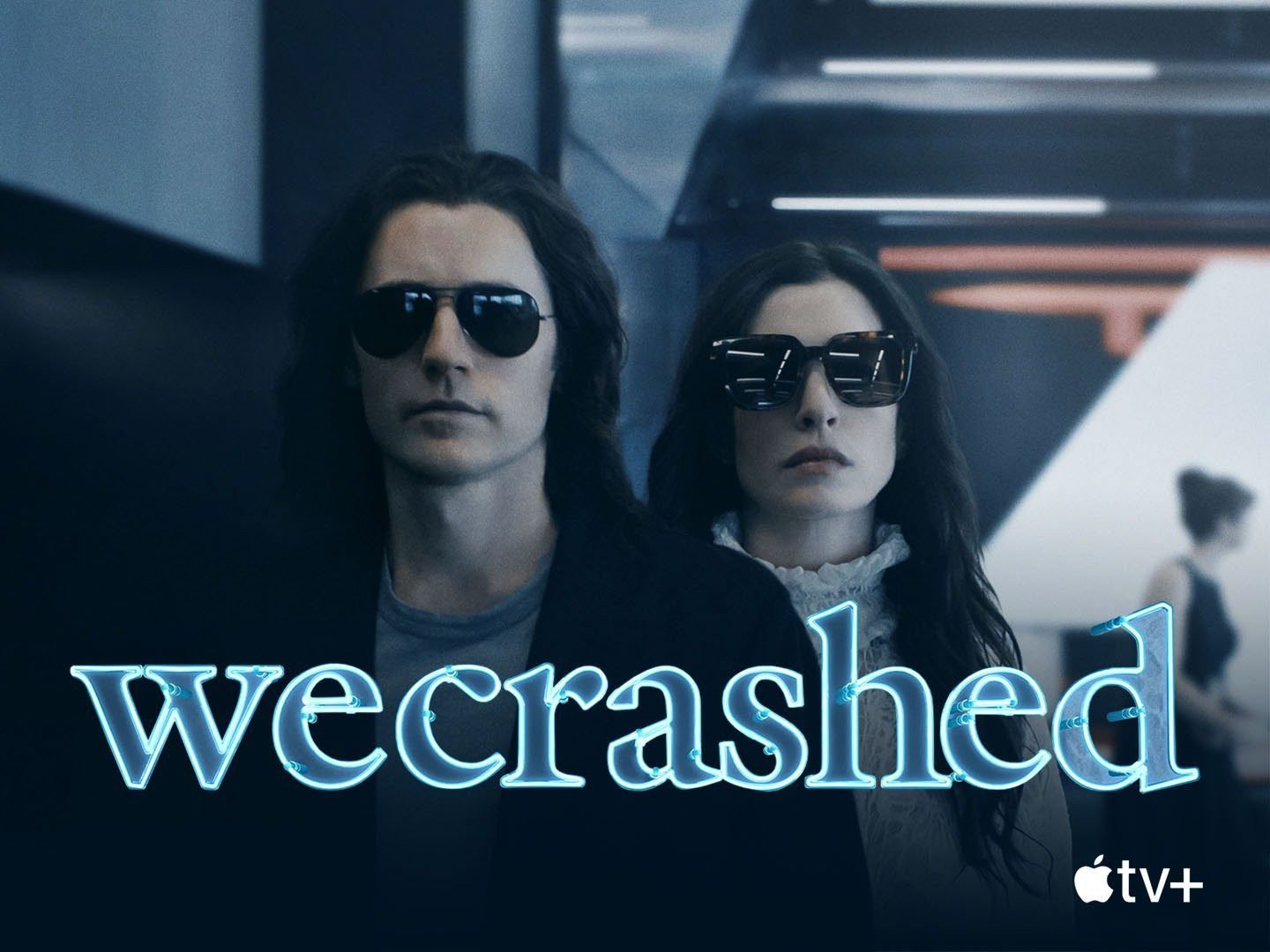
Rags-to-riches stories have always thrilled audiences, but tales of spectacular implosion hold a different kind of hypnotic power. WeCrashed offers a binge-worthy odyssey through the fever-dream of startup culture, where ambition eclipses logic and visionaries turn boardrooms into arenas. Adam Neumann’s meteoric rise with WeWork reads like an entrepreneur’s fairytale—until the fantasy collides with reality, and the world watches as billions evaporate overnight. With each episode, the show strips back layers of hype and hubris, exposing the intoxicating blend of charisma, chaos, and unchecked ambition that fueled one of the most dramatic collapses in business history.
This series lands with the punch of a business podcast and the swagger of a prestige drama, bringing viewers front row seats to the spectacle of WeWork’s rapid ascent and jaw-dropping fall. Anchored by the mesmerizing performances of Jared Leto as Adam Neumann and Anne Hathaway as Rebekah Neumann, WeCrashed never settles for caricature. Instead, it explores the complicated chemistry that sparked a global coworking empire, then set it ablaze. The show’s script bristles with urgency and wit, folding in satire and sharp cultural critique that never let viewers get too comfortable.
WeCrashed is not simply the story of one audacious couple. It is a mirror held up to the fever-pitch optimism of an entire generation of founders, investors, and believers, all seduced by the prospect of unicorn riches. Startups that promise to “change the world” are everywhere, but rarely do they invite scrutiny like WeWork did. The series reveals how personalities, not just products, can warp reality inside the echo chambers of tech—an era defined by big money, bold vision, and an almost religious faith in disruption.
At every turn, the show highlights the thin line between inspiration and manipulation. Adam’s charisma draws disciples, but his wild swings and blindspots carry real consequences. WeCrashed nails the unsettling energy of a company run more like a festival than a Fortune 500 firm, making each triumph and disaster feel personal. The lavish parties, lofty ideals, and strange office rituals become symbols for a culture obsessed with style over substance—an obsession that eventually dooms the dream.
Nothing here feels accidental or empty. From the music cues to the rapid-fire editing, every detail serves the larger story of modern ambition pushed to breaking point. WeCrashed is a cautionary tale dressed as a binge-worthy thriller, one that dares viewers to reconsider what they celebrate and who they follow. Anyone hungry for an inside look at the wild heart of entrepreneurship will be hooked from the first scene, questioning everything by the last.
Quick Notes
- WeCrashed exposes how bold personalities and unchecked vision can intoxicate even the savviest investors.
- Startup culture’s obsession with disruption and “changing the world” is laid bare, revealing both magic and madness.
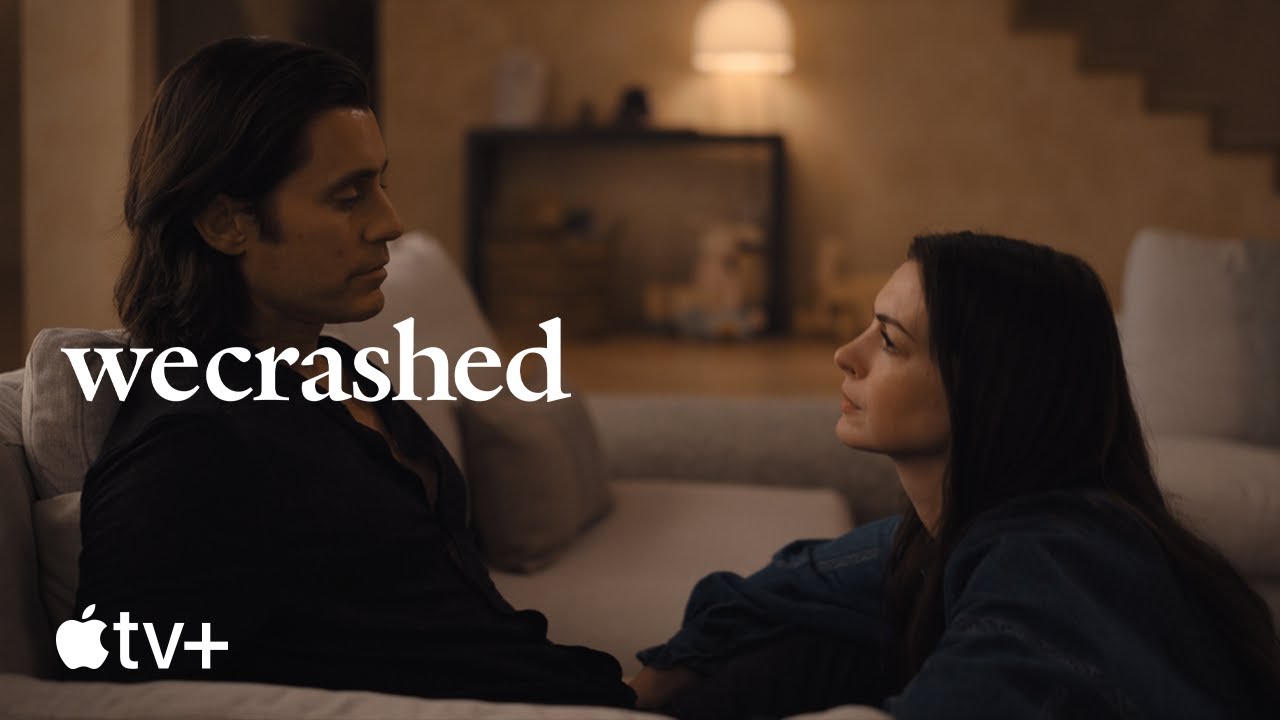
- The series explores the power dynamic between Adam and Rebekah, showing how shared dreams can morph into mutual delusions.
- Lavish spending, unchecked expansion, and blurred lines between work and cult drive the narrative to its shocking conclusion.
- Real-world consequences for employees, investors, and the public become heartbreakingly clear as the WeWork bubble bursts.
The Rise and Fall of a Startup Supernova
WeCrashed starts on a note of barely-contained chaos, as Adam Neumann pitches WeWork not just as office space, but as a revolution. He dreams aloud, spinning tales of global community and boundless connection. Investors circle, hungry for the next big thing, and New York’s skyline gleams with the promise of disruption. Adam’s magnetic energy draws in employees, partners, and capital at a dizzying pace. What could possibly go wrong with such a bold, boundary-pushing vision?
Episodes track WeWork’s meteoric ascent, painting a world where optimism becomes oxygen and skepticism is forbidden. Money pours in from SoftBank, allowing Adam to expand at warp speed. The show captures the adrenaline rush of tech culture at its wildest: kegs in the office, grand gestures, sky-high valuations, and wild parties. Employees become evangelists, and Adam’s “We” philosophy gains cult-like traction. For a while, the ride seems unstoppable.
As the seasons shift, so does the mood. Rapid growth brings cracks. Reports surface that the business model may be less robust than promised, and the company’s finances begin to wobble. Adam’s impulsive leadership style, once seen as genius, now raises eyebrows and invites scrutiny. Board meetings grow tense, and the gap between public image and private reality yawns wide. Staff turnover accelerates, and the party starts to feel more like a high-stakes gamble than a shared adventure.
Rebekah Neumann’s influence grows, bringing a mystical edge and personal ambition to the table. Her role in shaping the company’s culture, for better or worse, becomes a central theme. WeCrashed examines how her partnership with Adam, marked by both deep affection and mutual enabling, supercharges the company’s risk-taking. The office becomes an echo chamber, where doubts are shushed and dreams balloon out of control.
The series hurtles toward its conclusion with the infamous failed IPO. The world’s press watches in fascination as WeWork’s $47 billion valuation collapses within weeks, leaving Adam ousted, employees stranded, and investors reeling. The show’s final scenes land with emotional weight, as reality sets in and the cost of unchecked ambition becomes painfully clear. The world wakes from the dream, left to pick up the pieces and ask how so many could have been swept away.
Key lessons and Insights to learn from the TV Show
Bold vision must be anchored in reality. Adam Neumann’s ability to inspire bordered on the supernatural, but vision alone cannot replace solid business fundamentals. Countless startups have spun dreams into headlines, only to find the ground beneath them vanish. Elizabeth Holmes and Theranos, for example, promised revolution but delivered disappointment when ambition outpaced accountability. WeCrashed draws a vivid map of how charisma and storytelling can both attract and deceive, making critical thinking more necessary than ever.
The intoxicating power of hype is a double-edged sword. Hype can fuel a movement, but it can also obscure vital questions and silence dissent. Adam’s inner circle often ignored warning signs, swept up by the energy of the moment. This lesson echoes the crash of Fyre Festival, where promise trumped planning and the consequences were severe. Investors, employees, and the public must learn to recognize the difference between genuine innovation and a seductive narrative.
Startup culture thrives on optimism, but needs skepticism to survive. WeCrashed depicts a workplace where hard questions are dismissed as negativity, and where transparency is sacrificed for momentum. Healthy organizations welcome scrutiny and foster environments where concerns can be raised. Real-world examples, from Uber’s rocky expansion to Boeing’s 737 Max crisis, show the necessity of internal checks and honesty.
Partnerships in business mirror those in life: they can empower or destroy. Adam and Rebekah’s dynamic illustrates the power and peril of shared ambition. Their strengths amplified WeWork’s initial success, but their inability to check each other’s worst instincts accelerated the crash. Founders and CEOs need trusted advisors who are unafraid to challenge them—a lesson that echoes in the stories of Steve Jobs and Tim Cook, or Larry Page and Sergey Brin.
Finally, the fallout from unchecked growth is never limited to the C-suite. WeCrashed reminds viewers that the real casualties are often those farthest from the headlines: employees whose dreams are shattered, communities destabilized, and investors left holding empty promises. The show’s cautionary message is grounded in fact—businesses must build not just for valuation, but for sustainability, responsibility, and real impact.
Why WeCrashed Will Change How You See Ambition Forever
Leaving WeCrashed, viewers are not just entertained—they are changed. The series sparks urgent questions about what kind of leaders society rewards and what values truly matter. Tuning in each week, audiences are seduced by the spectacle, but by the finale, most find themselves reevaluating everything they thought they knew about startups, success, and Silicon Valley’s seductive power.
Every scene pulses with the energy of a generation willing to gamble everything on a dream. Adam Neumann’s journey is not just a warning; it is a mirror for anyone who has ever fallen for a big idea without asking the hard questions. Viewers finish the season carrying practical lessons back to their own work, ventures, and communities. The cautionary tales of WeWork, Theranos, and Fyre Festival become not just entertainment, but valuable guides for avoiding the same pitfalls.
Business schools and entrepreneurs should take notes: WeCrashed is a masterclass in human psychology, leadership, and the limits of unchecked ambition. The real-world case studies that inspired the show will linger in boardrooms, classrooms, and coffee shop brainstorms for years. The show’s emotional depth and razor-sharp insights deliver a sticky, addictive experience that makes it impossible to look away.
Audiences will remember not just the spectacular rise and fall, but the human moments—the tension of a risky pitch, the heartbreak of lost trust, the thrill of chasing a dream. WeCrashed is a wake-up call and an invitation to seek better ways to build, lead, and believe. Its legacy is a generation of viewers less easily swayed by hype, more willing to dig for substance beneath the story.
The binge may end, but the questions linger. What will you demand from the next unicorn? How will you spot the next Adam Neumann? WeCrashed doesn’t hand viewers easy answers; it sends them back into the world alert, skeptical, and hungry for something real.
Disclaimer
It’s also critical to remember that whether the tv show is either a work of fiction or real life depiction it must be emphasized that the actions depicted within are not encouraged in reality and shouldn’t be imitated.
