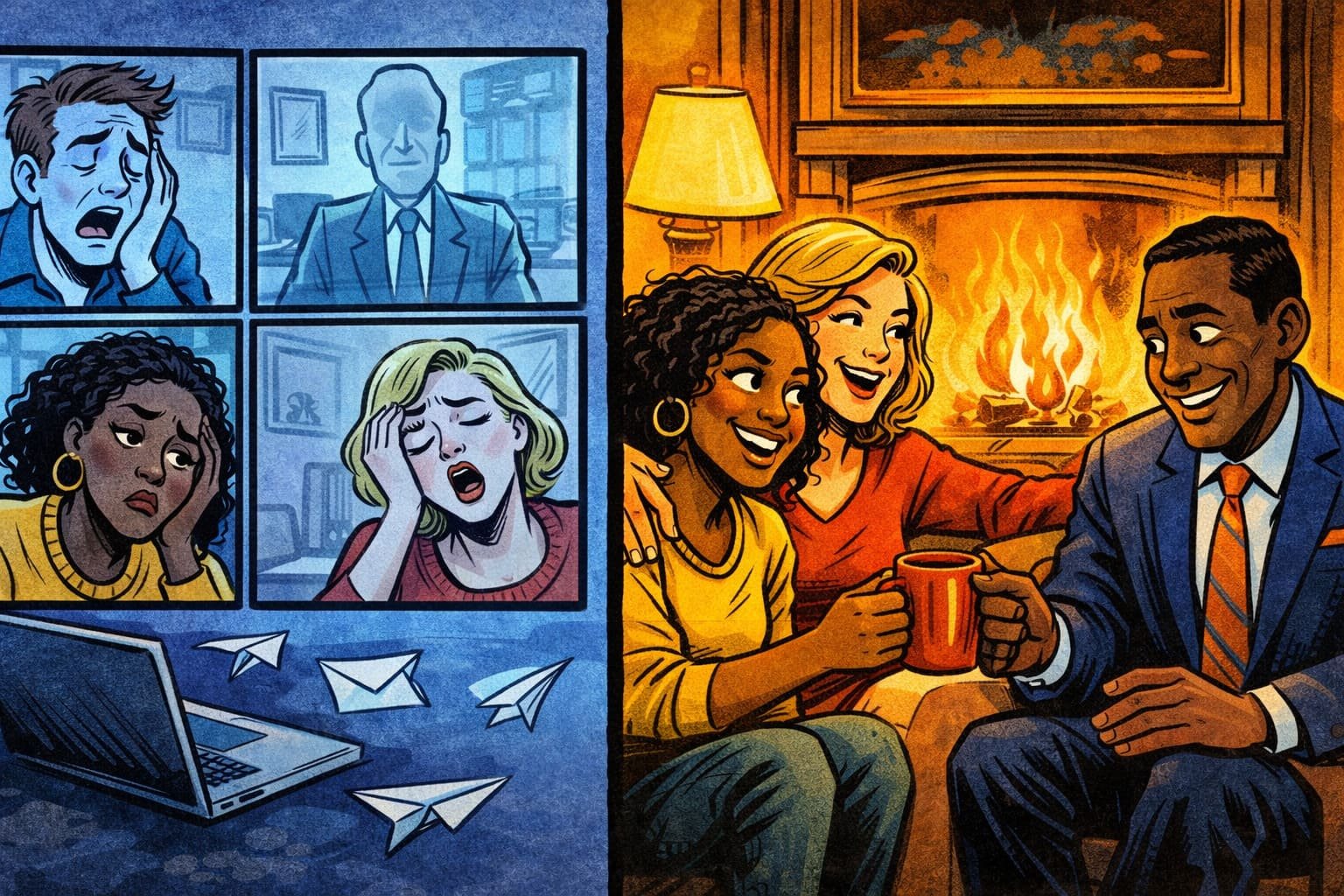
Blue status lights blinked across a grid of muted faces while a meeting continued with mechanical precision. Cameras were switched on, microphones worked perfectly, and every slide appeared exactly on schedule. Yet energy leaked from the conversation as quietly as air escaping a balloon. Minutes later, everyone left informed but strangely untouched. Technology had delivered flawless communication, while genuine human connection never quite entered the room.
Organizations often assume better digital tools automatically produce stronger collaboration. That belief has quietly shaped workplaces, classrooms, conferences, and customer relationships across the world. Yet people rarely remember the platform they used. They remember how a conversation made them feel. Warmth creates psychological safety, encouraging honest questions, creative disagreement, and lasting trust. Without that emotional foundation, even sophisticated virtual environments become efficient channels for forgettable interactions rather than meaningful engagement.
GitLab proved that fully remote organizations can thrive by deliberately investing in transparent communication, thoughtful documentation, and strong cultural rituals instead of relying on endless meetings. Shopify adopted similar principles by redesigning collaboration around purposeful interaction rather than constant video calls. Leila, who managed international product launches, noticed her weekly virtual sessions felt increasingly lifeless. She replaced lengthy presentations with customer stories and informal conversations before discussing business decisions. Participation immediately became more authentic because people connected before they collaborated.
A violin maker once invited apprentices to touch unfinished instruments before hearing them played. Rough wood carried tiny imperfections that polished surfaces concealed. Those quiet moments changed how every student approached craftsmanship because relationships with objects began through feeling rather than performance. Digital communication follows a similar pattern. Audiences respond more deeply to imperfect sincerity than carefully rehearsed perfection, especially when attention has become fragmented across endless screens and notifications.
Research into social presence consistently suggests that people engage more deeply when communication reflects empathy, responsiveness, and shared humanity. Patagonia’s environmental storytelling resonates because real employees, customers, and communities appear alongside products, creating emotional credibility rather than polished distance. Behavioral trust grows through repeated moments of authenticity, not technological sophistication. Every meaningful interaction quietly tells another person, “You matter here,” and that message travels farther than any software feature ever could.
Window reflections slowly faded as office towers emptied into the evening, leaving glowing conference rooms that had hosted countless conversations destined to be forgotten. Remarkable leaders understand that attention cannot be commanded through technology alone. It must be invited through generosity, curiosity, and genuine human warmth that survives every screen between people. Digital tools will keep evolving. Never let convenience replace connection, because people remember how they felt long after they forget which platform delivered the meeting.
