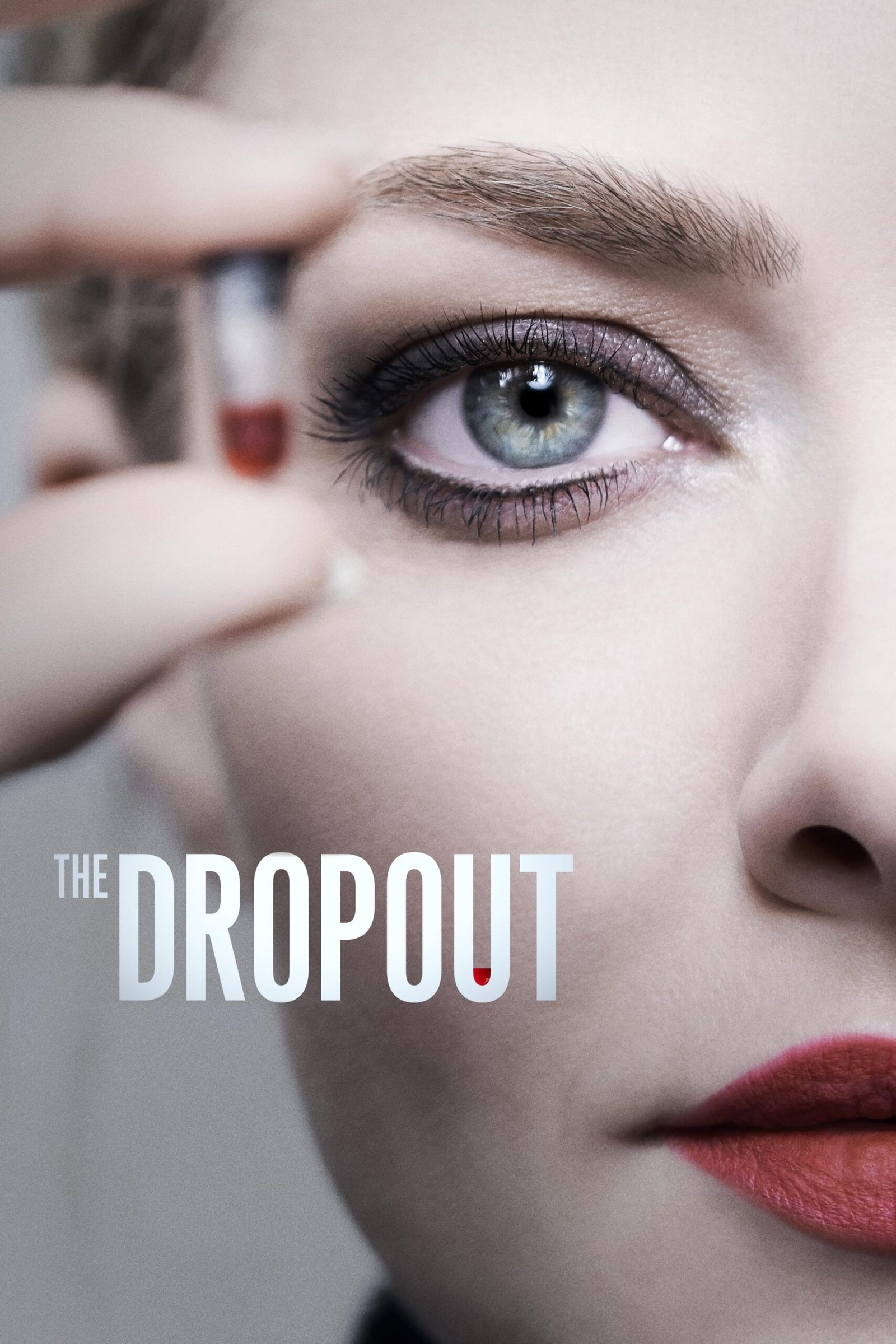
Scandal rarely arrives as a solitary event—it often bursts onto the scene like a rogue wave, catching the most seasoned sailors off guard. When The Dropout landed on screens in 2022, the story’s shockwaves jolted not only tech enthusiasts, but also armchair detectives, entrepreneurs, and everyday viewers craving a peek behind the curtain of Silicon Valley’s relentless hype machine. The series draws viewers into the enigmatic orbit of Elizabeth Holmes, the black turtleneck-clad visionary whose meteoric rise and catastrophic downfall became a cautionary parable for our innovation-obsessed culture. With every frame, The Dropout unpacks a saga far stranger than fiction, weaving ambition, betrayal, and blind faith into a spellbinding narrative that refuses to let go.
From the very first episode, the show lures viewers into a maze of ambition and deception, challenging conventional wisdom about what it takes to change the world—or at least to convince the world you have. This isn’t just the story of Theranos, the infamous blood-testing startup. It’s a mirror held up to society’s thirst for disruptors, for the next big thing, and for the kind of leadership that promises miracles at any cost. The Dropout reveals how the same qualities that power innovation can also become a recipe for disaster when accountability gets lost in the chase for glory.
Audiences watching The Dropout find themselves torn between admiration and disbelief. Holmes’ charisma, tenacity, and grand vision initially evoke sympathy, even as her empire’s foundation begins to crumble. The show’s creators masterfully capture not just the high stakes of the boardroom, but also the quiet desperation behind closed doors. The writing and performances refuse to reduce any character to a simple villain or victim, offering a textured exploration of motivation, trust, and human fallibility.
More than a scandalous exposé, The Dropout is a meditation on the intoxicating allure of the American dream—particularly the brand peddled by Silicon Valley, where genius and madness often masquerade as each other. Holmes’ journey from Stanford dropout to “the next Steve Jobs” spotlights how easily talent, vision, and a touch of performance can seduce some of the world’s most powerful institutions. Watching her story unravel feels less like observing a train wreck and more like peering into a funhouse mirror, realizing how familiar the reflections appear.
This series isn’t content to serve up tabloid fodder or replay headlines. Instead, The Dropout urges viewers to examine their own relationship with success, failure, and the stories we tell about those who dare to reach for greatness. It’s a gripping, fast-paced portrait of what happens when personal ambition collides with public trust, wrapped in the irresistible packaging of a true-life thriller. Anyone who has ever wondered how far someone can go before the truth catches up will find themselves transfixed, and maybe, just a little unsettled.

Quick Notes
- Elizabeth Holmes’ journey offers a fascinating case study of how charisma and bold promises can override scrutiny in the tech world.
- The series provides an inside look at the culture of hype and secrecy that enables startups to grow unchecked.
- Human cost looms large: real employees, investors, and patients became collateral damage in the pursuit of unicorn status.
- Ethics, leadership, and accountability form the heart of the show, challenging viewers to reconsider what defines a true innovator.
- The Dropout invites audiences to reflect on the dangers of idolizing visionary leaders without demanding transparency and evidence.
Blood, Sweat, and Broken Promises
The Dropout wastes no time thrusting viewers into the high-pressure cauldron of Silicon Valley ambition. Young, brilliant, and unyielding, Elizabeth Holmes drops out of Stanford with a simple dream: to revolutionize healthcare by allowing countless blood tests to be run from a single drop. Armed with unwavering confidence and a relentless drive to succeed, Holmes convinces investors, politicians, and scientists alike that her technology will change the world. Each pitch, delivered with steely conviction, chips away at the skepticism of even the sharpest minds.
The early episodes pulse with a sense of possibility, capturing Holmes’ rapid ascent as Theranos transforms from a promising idea into a multi-billion dollar juggernaut. Boardrooms hum with excitement. Journalists clamor for interviews. Power brokers—enthralled by Holmes’ vision and the aura of secrecy—jockey for a seat at the table. Yet, as Theranos expands, cracks begin to appear. The reality of the technology lags dangerously behind the myth, and those closest to Holmes struggle with the moral consequences of keeping up appearances.
Tensions simmer and then erupt as employees, sworn to secrecy, start wrestling with their consciences. The human drama intensifies when whistleblowers emerge, risking careers and personal safety to expose the company’s shaky foundations. The Dropout excels at portraying these moments of courage and doubt, capturing the weight of impossible choices. The show’s commitment to authenticity never wavers, offering a complex portrait of those caught in Theranos’ orbit—from loyal lieutenants to skeptical scientists.
The legal and media firestorm that eventually engulfs Holmes and Theranos is rendered in vivid, edge-of-your-seat detail. Investigations mount, relationships buckle under pressure, and the specter of criminal charges looms large. The spectacle is as riveting as any courtroom drama, yet what sets The Dropout apart is its refusal to treat the collapse as a simple morality play. Instead, it challenges viewers to empathize with everyone ensnared in the web—recognizing that real people’s hopes, careers, and reputations hang in the balance.
By the finale, the glittering facade has shattered, leaving behind a sobering portrait of ambition run amok. The Dropout’s final episodes invite audiences to reflect on what was lost: not just fortunes, but trust, credibility, and the very notion of what it means to innovate responsibly. The story lingers long after the credits roll, serving as a stark reminder that the line between genius and recklessness can be perilously thin.
Key Lessons and Insights to Learn from the TV Show
Every viewer finishing The Dropout carries away more than just the plot’s twists and turns. The show’s heart lies in its ability to extract vital lessons about leadership, ethics, and the seductive power of storytelling. First and foremost, it serves as a master class in the risks of unchecked ambition. Holmes’ unwavering belief in her mission blinded her to the mounting evidence that her vision was impossible—at least, within the constraints of reality. Real-world parallels abound, from the collapse of Enron to the more recent implosions in the crypto world, where hubris has often outpaced substance.
Next, The Dropout confronts the culture of silence that festers in high-pressure environments. Employees at Theranos faced impossible dilemmas: speak up and risk everything, or remain silent and perpetuate harm. Their stories mirror whistleblower sagas across industries, highlighting the need for robust channels to raise ethical concerns without fear of retribution. Organizations of all sizes would do well to foster transparency and protect those who come forward, rather than stifling dissent in the name of progress.
Another powerful insight emerges from the show’s exploration of credibility and trust. Investors, media, and regulators all failed to demand rigorous evidence from Holmes, seduced instead by charisma and vision. The Dropout lays bare how confirmation bias and wishful thinking can lead even the sharpest minds astray. This lesson resonates far beyond Silicon Valley, extending to politics, academia, and everyday business. Institutions must cultivate a culture of skepticism—one that values tough questions and demands proof, rather than swallowing the narrative of the moment.
Viewers also come away with a fresh perspective on the human cost of business failures. The Dropout refuses to treat Theranos’ collapse as a victimless event, foregrounding the experiences of employees, patients, and families who paid the price for Holmes’ deception. Real-life cases, like the fall of WorldCom or the Boeing 737 Max scandal, echo this theme: when ambition trumps responsibility, ordinary people often bear the consequences. Compassion, accountability, and empathy must anchor every decision, even in the most high-flying organizations.
Finally, The Dropout underscores the perils of idol worship in the tech world. Holmes was hailed as a genius, a female Steve Jobs, and a savior of healthcare—long before her technology had been proven. The show makes a powerful case for judging leaders by their actions, not just their promises. As the rise and fall of figures like Adam Neumann at WeWork or Trevor Milton at Nikola have demonstrated, a cult of personality can be both intoxicating and dangerous. True leadership demands humility, evidence, and an unwavering commitment to the truth.
The Aftermath of Silicon Valley’s Fallen Idol
The Dropout’s conclusion leaves viewers with a complex blend of emotions: shock, empathy, and a nagging sense of déjà vu. Holmes’ story, though singular in its details, echoes through boardrooms, laboratories, and startups worldwide. The series closes not with a tidy resolution, but with an invitation for viewers to consider their own role in perpetuating cycles of hype and hero worship. Society loves a rags-to-riches tale, but The Dropout exposes the high price of believing in fairy tales over facts.
Reflecting on Holmes’ journey, audiences are reminded that innovation is a double-edged sword. The same qualities that drive breakthrough discoveries—audacity, vision, relentless pursuit—can morph into stubbornness, denial, and even fraud when left unchecked. Holmes’ fall from grace doesn’t signal the end of ambition, but it does sound a warning: the future belongs to those who pair bold ideas with rigorous accountability.
In every corner of the business world, The Dropout’s lessons resonate. The next time a charismatic founder promises to change everything, viewers will remember Holmes’ tale. They might ask tougher questions, demand more transparency, and resist the urge to get swept away by the next big thing. This shift in mindset can protect not only investors and employees, but also the public at large, ensuring that true innovation thrives while reckless risk-taking is held in check.
The Dropout is more than a dramatization of one of the most infamous scandals in tech history—it’s a litmus test for the times. Its impact ripples outward, inspiring watercooler debates, boardroom soul-searching, and even regulatory reforms. Audiences who absorb its message will find themselves better equipped to navigate a world where ambition and reality are often at odds.
By the time the final credits roll, viewers are left with a challenge: to rewrite the script on what real leadership looks like. The Dropout’s unforgettable story lingers in the mind, urging us all to look beyond glossy surfaces and demand substance, empathy, and accountability from those who promise to shape the future. Only then can the next generation of dreamers build legacies that endure.
Disclaimer
It’s also critical to remember that whether the TV Show is either a work of fiction or real life depiction it must be emphasized that the actions depicted within are not encouraged in reality and shouldn’t be imitated.
