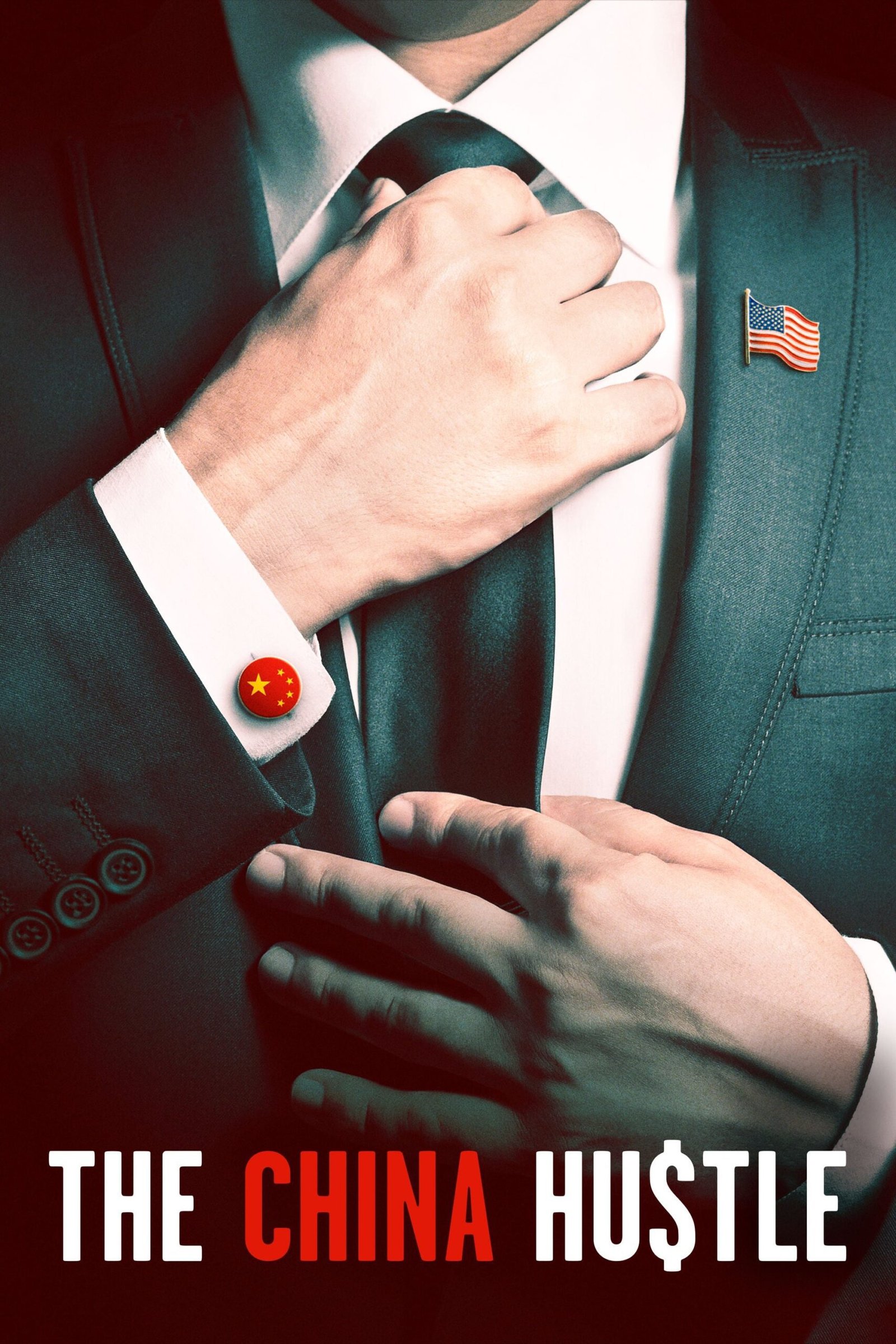
Walking into The China Hustle feels like entering a magic show, except the magician isn’t pulling rabbits out of hats—he’s conjuring billions from thin air. The 2017 documentary, directed by Jed Rothstein and produced by Alex Gibney, thrusts viewers into the electrified heart of Wall Street, where the pursuit of profit bulldozes truth, and investors are lured into a labyrinth of illusion. At first glance, the film appears to be another exposé about greed, but what unfolds is a staggering reminder that the smartest guys in the room are sometimes the most gullible, and the world’s fastest-growing economy isn’t always what it appears on glossy brochures.
The documentary wastes no time in dropping audiences into a world of shady Chinese companies listed on U.S. stock exchanges. Here, the lines between reality and fiction are not just blurred, they are deliberately erased by reverse mergers, doctored documents, and a network of unwitting enablers. For those familiar with the 2008 financial meltdown, The China Hustle offers a sobering aftershock: when the dust settled from the subprime mortgage crisis, Wall Street pivoted to a new money-making machine, fueled by an unshakeable belief in China’s endless growth.
The real hook, though, lies in the personal stories peppered throughout the film—retirees losing their life savings, whistleblowers risking reputations, and analysts battling a tsunami of denial. The film’s central character, Dan David, is not your typical hero. He’s a short seller with a conscience, a man torn between the satisfaction of exposing fraud and the painful reality that countless innocent investors are getting crushed. This tension adds an emotional charge, making the film much more than a procedural account of financial trickery.
A powerful sense of urgency pulses through each scene, as the documentary traces how legitimate American institutions—investment banks, auditors, and law firms—acted as unwitting partners in deception, too distracted by lucrative fees to question obvious red flags. Every revelation is designed to jolt the viewer’s faith in the system, and by the end of the introduction, one thing is clear: The China Hustle is not just a cautionary tale, but a rallying cry for anyone who still believes markets are self-regulating or that regulators will swoop in to save the day.
By the time credits roll, what started as a seemingly niche story about obscure Chinese stocks explodes into a global warning about unchecked optimism, flawed incentives, and the staggering price of financial naivety. Anyone who thinks Wall Street scandals are relics of the past will leave with a fresh sense of paranoia—and maybe a little gratitude for every dollar not lost to this tangled web of lies.

Quick Notes
- Wall Street’s hunt for post-crisis profits fueled the unchecked influx of hundreds of fraudulent Chinese companies onto U.S. exchanges.
- Reverse mergers became the loophole of choice, allowing shady firms to sidestep rigorous scrutiny while appearing legitimate.
- Major American financial institutions profited handsomely, often turning a blind eye to warning signs and red flags.
- Whistleblowers and short sellers, like Dan David, battled against denial, institutional resistance, and public hostility while exposing fraud.
- Investors—especially ordinary retirees—suffered devastating losses, while regulatory agencies struggled or failed to hold the right parties accountable.
Smoke and Mirrors: The Movie’s Shocking Plot Unraveled
From the moment the film opens, a sense of unease is woven through the story. Viewers are introduced to the concept of reverse mergers, a process where Chinese companies, many with questionable assets or operations, gain access to U.S. capital markets by merging with dormant American shell companies. These are not household names or Silicon Valley unicorns; they are entities whose financial statements seem too good to be true—and often are. The film cleverly juxtaposes images of bustling Chinese factories with empty, silent facilities, leaving audiences to question which version of reality to trust.
The real turning point comes with Dan David’s journey. Initially swept up in the euphoria of seemingly unstoppable Chinese growth, he soon uncovers a web of inconsistencies and outright lies. His investigation takes him across continents, from deserted industrial parks in China to boardrooms in America. Each revelation builds upon the last, creating a mounting sense of outrage. Here, storytelling is king: viewers are not merely handed facts, but are drawn into the emotional turmoil experienced by those brave enough to dig for the truth.
Throughout the film, a string of case studies brings the abstract concept of financial fraud down to a deeply personal level. One particularly haunting story involves a U.S. Army veteran who, trusting the advice of respected brokers, invests his retirement savings into what he believes is a booming Chinese company. When the fraud collapses, he loses everything—a reminder that the victims are not just nameless figures in a spreadsheet, but real people with dreams, families, and futures on the line.
Key interviews with lawyers, analysts, and regulators paint a vivid picture of systemic failure. Financial firms tasked with due diligence instead focus on the next fee, while regulatory bodies remain hamstrung by jurisdictional limits and lack of resources. Even when the truth is exposed, consequences are rarely commensurate with the scale of the deception. The documentary doesn’t shy away from hard questions: How could this happen? Why was nobody stopping it? The answers are as infuriating as they are illuminating.
Clever use of humor and sarcasm keeps the tone accessible, while never letting the gravity of the subject slip away. Moments of levity—such as dry comments from grizzled analysts—highlight the absurdity of a system that rewards spin over substance. By weaving personal testimony with global trends, the film keeps audiences hooked until the final, unsettling moments, where viewers are left to ponder just how many more hustles are waiting in the wings.
Lessons and Insights: What The China Hustle Teaches About Money, Trust, and the Anatomy of Deception
No single takeaway from The China Hustle feels more urgent than the need for skepticism in financial markets. Blind faith in the “next big thing” is exposed as a dangerous flaw, not just among amateur investors, but among seasoned professionals who should know better. Throughout the film, scenes of due diligence cut short, or red flags conveniently ignored, highlight the critical importance of asking hard questions and demanding evidence.
Incentives drive behavior. When financial rewards are doled out for deal-making, not truth-telling, bad actors thrive while honest participants are pushed to the sidelines. The documentary masterfully illustrates how American banks and auditors, more focused on commissions and fees than rigorous oversight, became inadvertent accomplices. The lesson is universal: structures and cultures that reward profit over integrity will eventually implode, often with tragic consequences for those least able to absorb the blow.
Regulation is not a panacea, but it remains essential. The film makes clear that existing laws and watchdogs struggled to cope with a scam that spanned borders, languages, and legal jurisdictions. Real-world case studies, such as the collapse of Luckin Coffee (though not directly featured in the film, but a perfect parallel), show how global frauds keep evolving, exploiting the same vulnerabilities repeatedly. Vigilance, both from regulators and the investing public, is the only real defense.
Another powerful insight comes from the world of short selling. Often maligned as vultures circling on the misfortune of others, short sellers in The China Hustle play the unlikely role of crusaders, taking on powerful interests to reveal uncomfortable truths. Their work underscores the value of contrarian thinking, critical analysis, and the courage to call out deception even when it means standing alone.
Finally, the human stories threaded through the film serve as a wake-up call about the real price of unchecked ambition. Investors caught in the hype are left to pick up the pieces of shattered nest eggs, while the architects of the fraud often walk away unscathed. This imbalance of risk and reward—where losses are socialized but gains are privatized—remains one of the film’s most damning indictments of modern finance.
Why The China Hustle Matters More Than Ever
Cynicism can feel like the only logical response to the events chronicled in The China Hustle, yet the documentary’s greatest gift is its insistence on hope through vigilance. By laying bare the machinery behind one of Wall Street’s most audacious scams, it arms viewers with the tools to protect themselves in a marketplace brimming with risk. Each twist in the story is a reminder that knowledge, not faith, must be the foundation of every investment decision.
The documentary’s relevance stretches far beyond the headlines of the late 2010s. In a globalized world, new markets and new players will always emerge, promising untold riches and transformative opportunities. Yet the mechanisms of deceit exposed in the film remain stubbornly persistent, only adapting in form and scope. For readers hungry for real-world context, parallels to recent events like the Wirecard scandal in Germany or the FTX cryptocurrency collapse reveal how the same patterns repeat, with devastating effect.
What sets The China Hustle apart is its capacity to keep viewers emotionally invested, long after the closing credits. Each account of loss or betrayal is balanced by the dogged pursuit of truth, and every failed safeguard is met by a call for greater accountability. The documentary encourages not just outrage, but action—demanding transparency, critical thinking, and an unwavering commitment to ethical standards.
For those working in finance, policy, or business, the film is a potent reminder of the perils that lurk when incentives are misaligned and oversight is lax. Stories of whistleblowers who refuse to stay silent provide inspiration for anyone tempted to look the other way. Ordinary investors, meanwhile, gain a vivid primer on the importance of skepticism: flashy marketing and impressive credentials are no substitute for real diligence.
In a world where “fake it till you make it” has become a mantra, The China Hustle slices through the noise, offering a reality check that is both brutal and necessary. By shining a light on the cracks in the system, it empowers audiences to demand better—not just from the financial industry, but from themselves. As the credits fade, one question lingers: how many other hustles are hiding in plain sight, just waiting for the next chapter to begin?
Disclaimer
It’s also critical to remember that whether the movie is either a work of fiction or real life depiction it must be emphasized that the actions depicted within are not encouraged in reality and shouldn’t be imitated.
