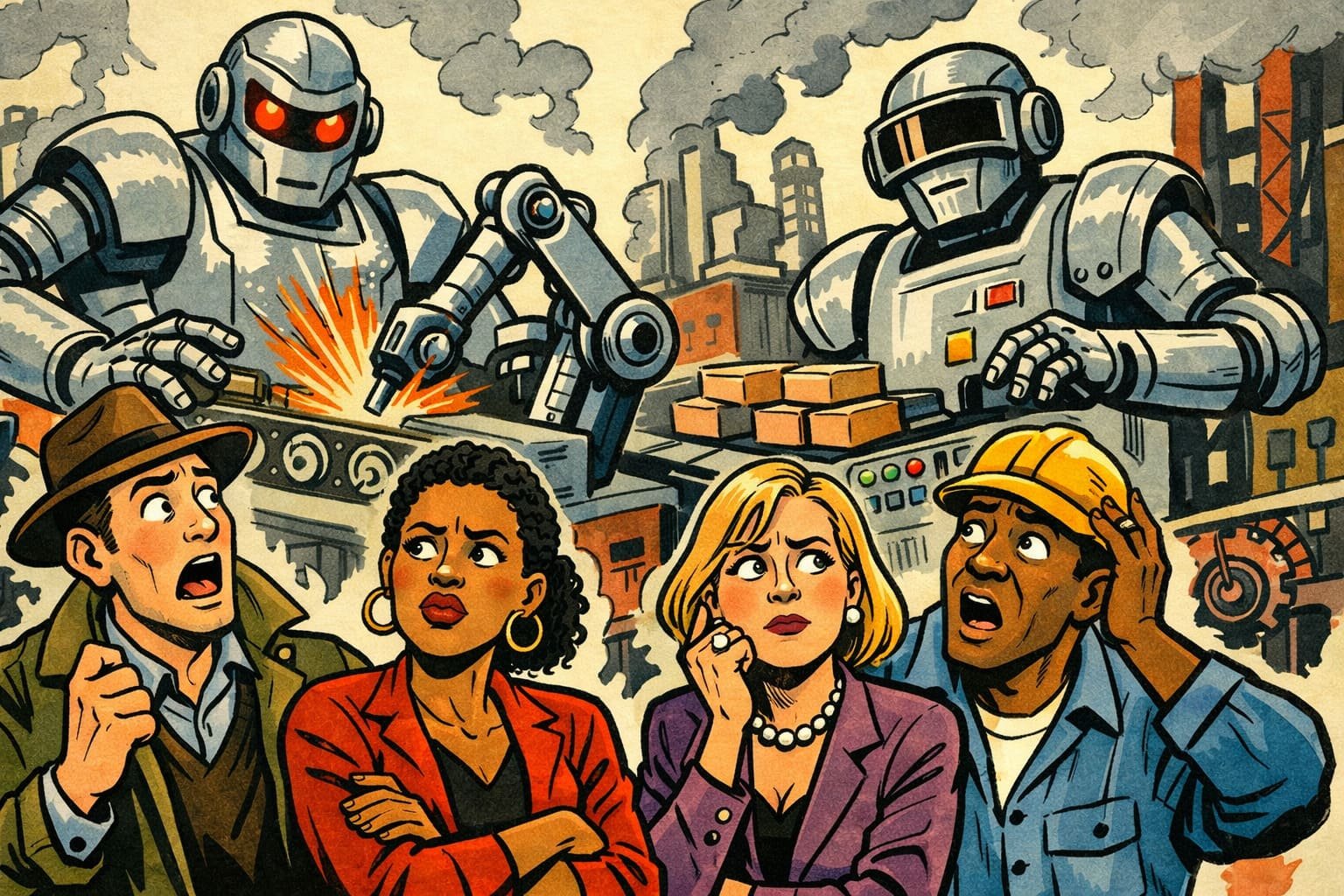
The steel mill never truly slept. Molten metal glowed like rivers of liquid sunlight beneath towering furnaces while sparks drifted through the air with hypnotic precision. The ground trembled under the weight of machines that had shaped industries for generations. Visitors often believed raw power defined the business. Veteran operators knew better. Strength alone had stopped being enough. The world’s most competitive metal manufacturers were no longer winning because they produced more steel. They were winning because intelligent automation transformed every furnace, conveyor, and production line into a synchronized network that rarely wasted a single movement.
Metal manufacturing has always demanded extraordinary discipline. Small production errors quickly become expensive losses measured in damaged materials, delayed deliveries, equipment downtime, and dissatisfied customers. As global competition intensified, simply expanding factory size stopped creating meaningful advantage. Margins became tighter. Customer expectations became higher. Businesses capable of producing exceptional quality with remarkable consistency quietly pulled ahead while slower competitors found themselves trapped in a cycle of rising costs and shrinking profitability. Efficiency became the new currency of industrial leadership.
Many executives initially viewed automation as a threat to traditional craftsmanship. The opposite has increasingly proven true. Modern manufacturing systems handle repetitive measurements, monitor temperatures continuously, predict equipment failures before they occur, and optimize production schedules with astonishing accuracy. Skilled workers remain indispensable because experience still guides critical decisions. Technology simply removes avoidable distractions. Instead of spending valuable hours correcting preventable mistakes, engineers and technicians devote their expertise to innovation, quality improvement, and solving complex operational challenges that machines alone cannot understand.
Factory director Henrik faced this reality after demand for specialty metal components surged beyond expectations. Every department worked longer hours, yet customer delivery times continued slipping. During an evening inspection, he watched experienced technicians waiting beside an idle production line because maintenance information had failed to reach the right supervisor. Nobody lacked commitment. The system lacked coordination. Henrik introduced predictive maintenance software, automated production monitoring, and connected scheduling across departments. Months later, equipment downtime fell dramatically because problems were being prevented instead of repaired after failure occurred.
Industrial leaders continue proving the value of intelligent manufacturing. ArcelorMittal has invested extensively in digital manufacturing technologies, process optimization, and advanced operational systems designed to improve efficiency, safety, and product quality. Across the industry, automation is no longer viewed as an optional competitive advantage. It has become an essential capability for manufacturers determined to remain resilient in increasingly demanding global markets where precision matters as much as production volume.
Automation also reshapes workplace culture in unexpected ways. Employees stop reacting constantly to emergencies because systems identify risks before they become crises. Supervisors gain time to mentor younger technicians rather than spending every shift solving preventable operational breakdowns. Cross-functional collaboration improves because production data becomes visible across the organization instead of remaining trapped inside isolated departments. Technology strengthens communication as much as production. Calm replaces constant firefighting, allowing people to think strategically instead of merely surviving another demanding shift.
The greatest transformation, however, happens inside leadership. Successful manufacturers no longer ask whether automation should be adopted. They ask where human judgment creates the greatest value and where intelligent systems can eliminate unnecessary complexity. That distinction separates businesses chasing technology from businesses using technology with purpose. Automated factories still depend on courageous leaders willing to challenge outdated assumptions, invest patiently, and build cultures where continuous improvement becomes part of everyday thinking rather than an occasional initiative.
As the furnaces continue glowing through another long night, the future of manufacturing quietly takes shape behind walls few customers will ever see. Dominance is no longer forged by fire alone. It is forged through disciplined systems, thoughtful leadership, and the wisdom to let technology strengthen human potential instead of replacing it. The next generation of industrial giants will not be remembered for owning the largest factories. They will be remembered for building the smartest ones. Ask yourself this: is your operation producing more metal, or producing more intelligence with every ton that leaves the factory?
