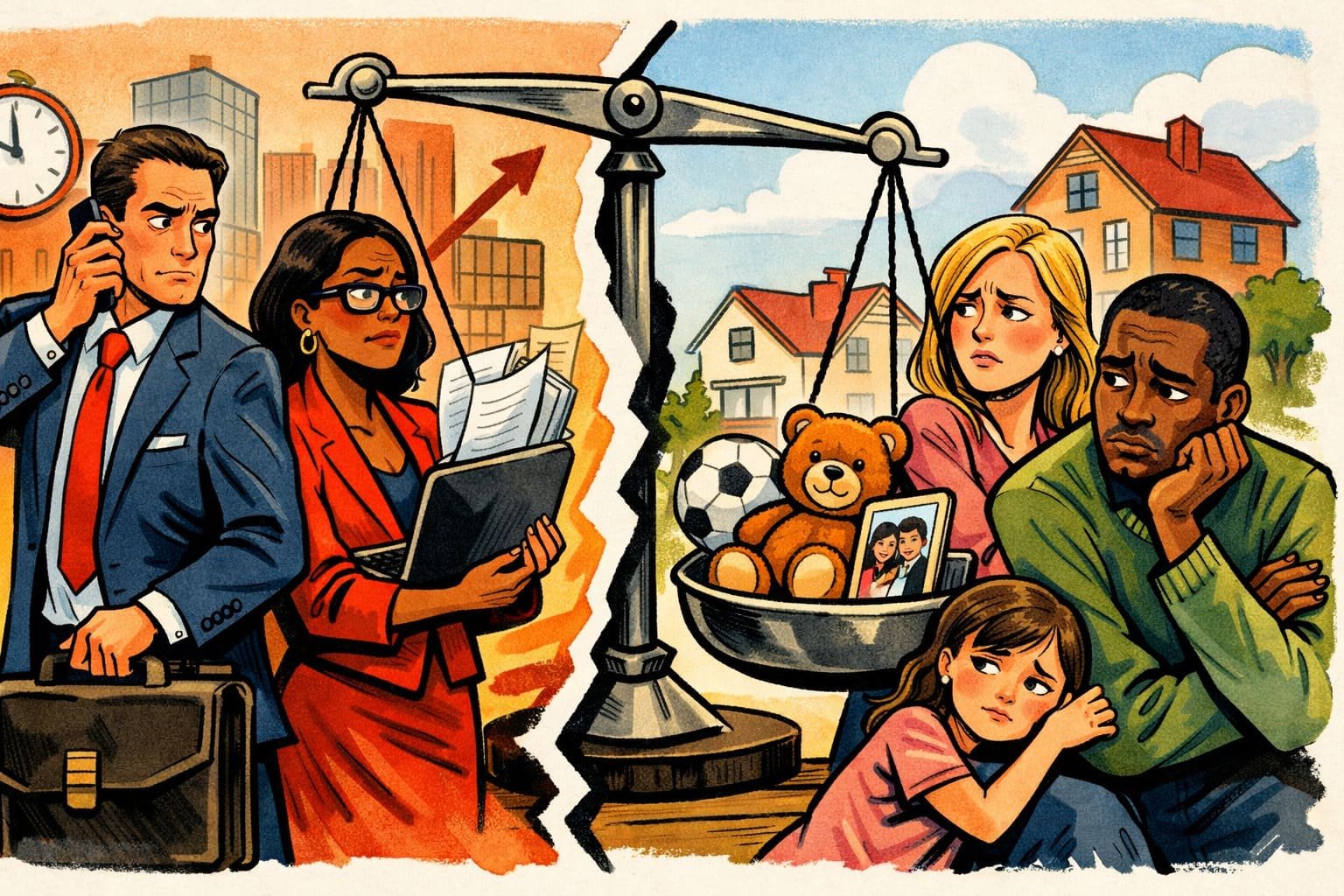
The dining table had become a boardroom without anyone admitting it. Conversations that once revolved around birthdays and family holidays slowly drifted toward sales targets, hiring decisions, and ownership disputes. Every opinion carried twice the weight because it belonged to both a relative and a business partner. The company continued growing, yet something precious had begun to shrink. The boundary between family and business had quietly disappeared, leaving relationships to compete with responsibilities that neither side fully understood.
Family enterprises possess a remarkable advantage that many corporations struggle to replicate. Shared history creates trust, resilience, and a deep commitment to long-term success. At the same time, that same history can cloud judgment when difficult leadership decisions arise. Parents hesitate to challenge children. Siblings compare opportunities. Cousins remember childhood rivalries instead of focusing on strategic priorities. Emotional loyalty becomes intertwined with commercial accountability. Without structure, both family harmony and business performance begin to suffer.
Strong leadership demands sacrifice because fairness often feels uncomfortable. The best executive is not always the oldest child, the most outspoken sibling, or the family member who expected the position for years. Leadership belongs to the individual capable of serving the organization’s future rather than protecting personal expectations. Merit deserves priority over tradition. Families willing to embrace that principle create businesses that survive across generations. Those who resist it often watch resentment replace trust.
Harriet founded a successful wholesale distribution company that employed several members of her extended family. Her youngest daughter consistently outperformed every senior manager, yet many relatives insisted that the eldest son should inherit leadership simply because of birth order. Harriet chose transparency over convenience. Independent advisors assessed every candidate using measurable leadership standards. The decision disappointed some relatives initially. Over time, the business expanded while family relationships slowly healed because everyone understood how the choice had been made.
Many respected family-controlled companies have demonstrated the value of separating ownership from day-to-day management. Hermès has maintained long-term stability through disciplined governance while preserving strong family influence. The lesson reaches far beyond luxury fashion. Families create stronger businesses when they recognize that stewardship requires competence, accountability, and thoughtful governance rather than entitlement. Long-term success depends on balancing emotional commitment with professional discipline.
Leadership also requires personal sacrifice from founders. Letting go of authority can feel more difficult than building the company itself. Years of solving problems create habits that are difficult to abandon. Every decision withheld from emerging leaders delays their growth. Every unnecessary intervention weakens confidence. Experienced founders become most valuable when they transition from decision makers to mentors. Their influence deepens because it encourages others to develop rather than remain dependent.
Employees observe these transitions more closely than many leaders realize. They notice whether promotions reward capability or family connections. They recognize whether difficult conversations happen openly or behind closed doors. Culture quietly absorbs every leadership decision. Businesses built on fairness inspire loyalty that extends beyond financial rewards. Organizations driven by favoritism often lose talented people long before leaders recognize the damage. Trust becomes the organization’s most valuable competitive advantage because it cannot be purchased after it has been lost.
Every family business eventually faces a defining choice between preserving comfort and protecting legacy. Those courageous enough to place the enterprise above individual pride leave behind something far greater than financial success. They build institutions where future generations inherit opportunity instead of conflict. Leadership has never been about keeping power within the family at any cost. It has always been about making the difficult decisions that allow both the family and the business to flourish together for decades to come.
