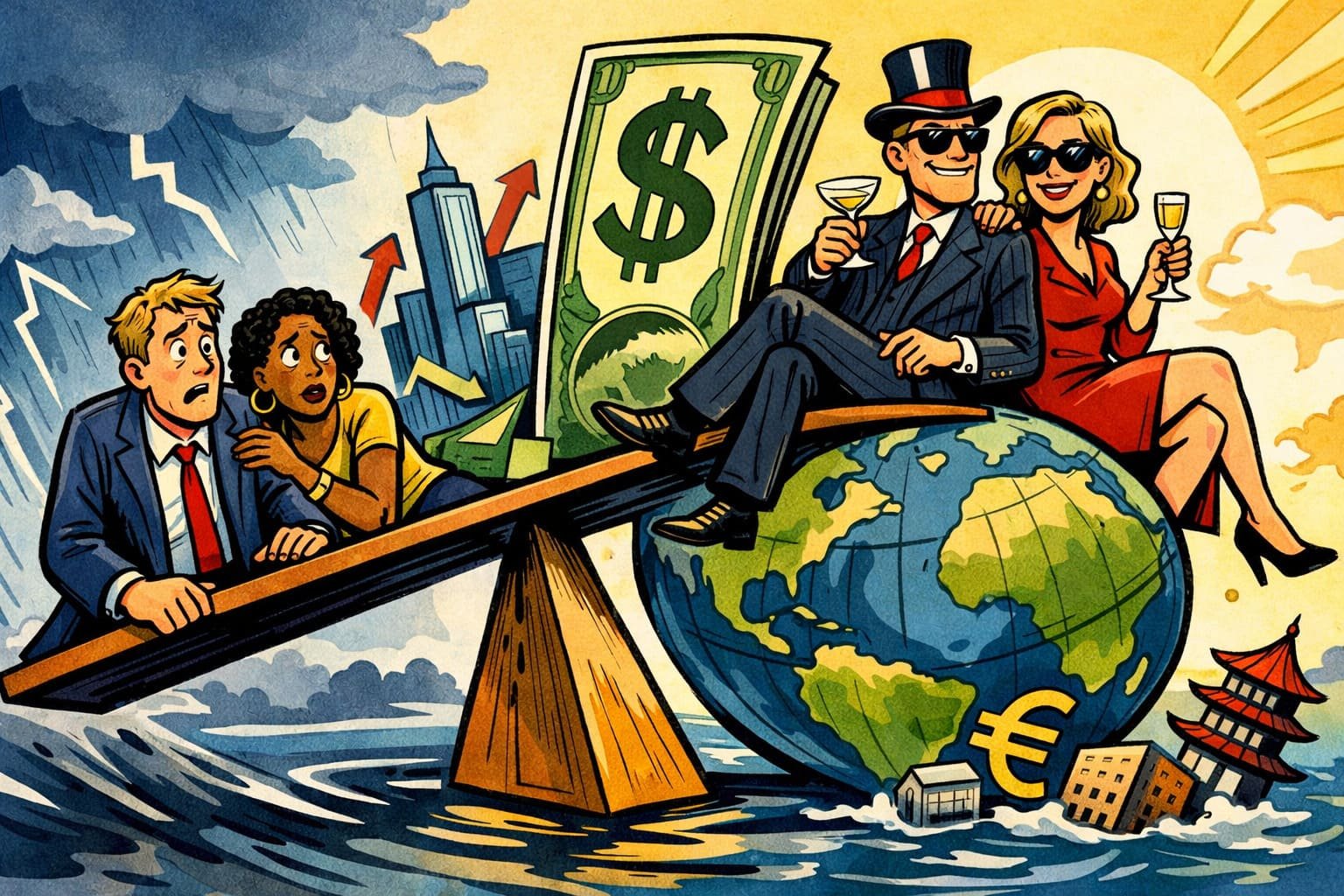
Airport departure boards flickered with destinations stretching across continents while currency traders watched a different map entirely. Every blinking exchange rate carried quiet consequences for exporters, importers, borrowers, tourists, and central bankers alike. Few people celebrate a stronger dollar with fireworks. Yet its movements ripple through nearly every corner of the global economy, shifting trade flows, investment decisions, commodity prices, and corporate earnings with remarkable speed long before ordinary consumers notice the change.
Currencies are more than symbols printed on banknotes. They represent confidence, purchasing power, and expectations about future economic stability. When the United States dollar strengthens against other major currencies, American buyers often enjoy cheaper imports while foreign businesses selling into the American market face tougher competition. That same appreciation creates another challenge. Companies and governments that borrowed in dollars but earn revenue in weaker local currencies suddenly discover that servicing debt becomes more expensive, even if their underlying businesses remain healthy.
History offers vivid reminders of this financial balancing act. During periods of dollar appreciation, emerging economies have frequently faced pressure as capital flowed toward dollar-denominated assets viewed as safer by global investors. A Kenyan coffee exporter named Daniel experienced this reality from the ground level. International demand remained strong, yet exchange rate movements complicated pricing decisions and financing costs, forcing constant adjustments simply to preserve profitability. Sales continued. Predictability quietly disappeared beneath shifting currency markets.
Economists often describe the dollar as the world’s reserve currency, but that phrase understates its practical influence. Commodities such as oil are commonly priced in dollars, international trade contracts frequently rely upon dollar settlements, and many multinational companies hold substantial dollar assets or liabilities. Accounting departments therefore become unexpected navigators of global finance. Exchange rate fluctuations influence reported earnings, asset valuations, hedging strategies, and cash management decisions, turning currency risk into a boardroom conversation rather than a technical footnote.
An intriguing contradiction shapes international finance. A strong dollar often reflects confidence in the American economy, yet that same strength can tighten financial conditions abroad by attracting investment away from emerging markets. Apple, for example, periodically reports how currency movements influence overseas revenue despite stable product demand. Investors understand the distinction. Strong operational performance can appear weaker after foreign earnings translate back into a more valuable dollar, reminding markets that accounting outcomes sometimes differ from commercial reality.
Night flights continued crossing oceans while invisible streams of capital traveled even faster through digital networks connecting every major financial center. Exchange rates rarely command the emotional attention reserved for stock market rallies or technology breakthroughs. Their influence is quieter and far more persistent. A stronger dollar does not simply alter prices. It reshapes incentives, reallocates capital, and redraws financial relationships across borders, leaving one enduring question for every investor: are markets following business fundamentals, or merely the gravity of the world’s dominant currency?
