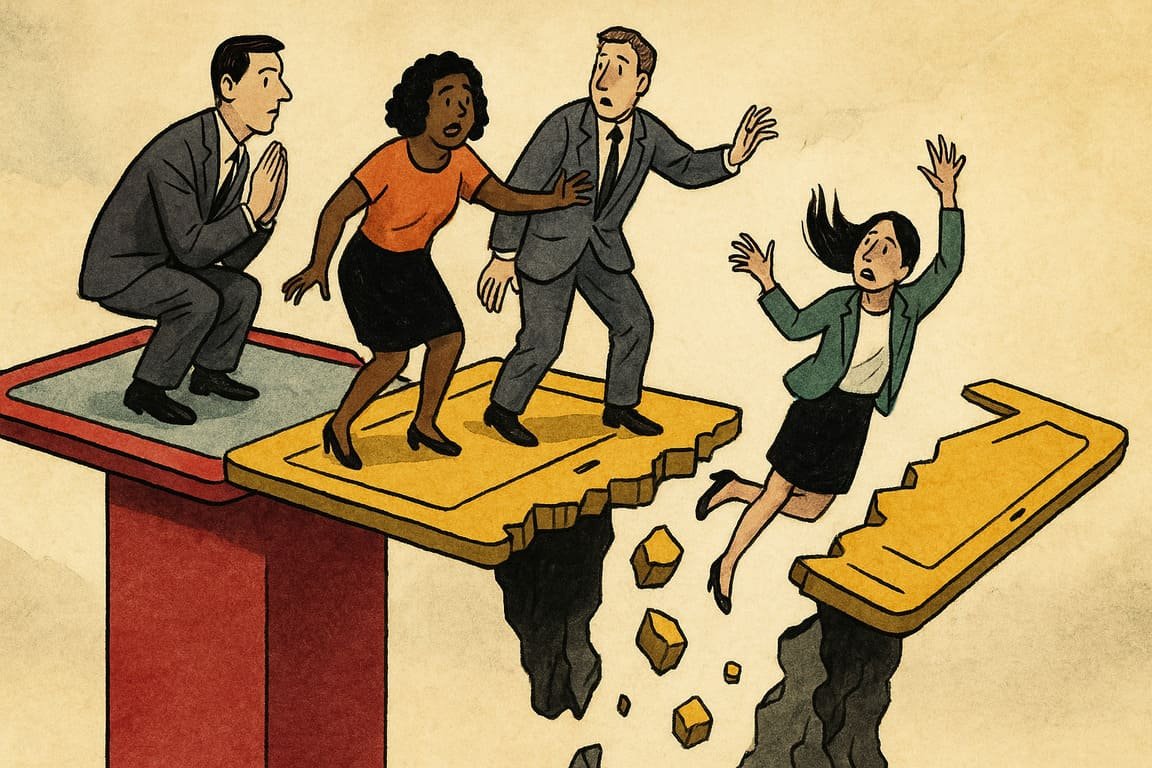
In the glowing neon haze of an all-night co-working space, the soft hum of ambition competes with the tap-tap of keyboards. Bright-eyed founders, clutching cold coffee, sketch dreams on glass walls that catch the light like fireflies. The mood feels electric—tomorrow’s unicorns are being drafted with every keystroke. Yet, beneath this digital optimism, a silent trap waits to spring. Success in this era rests not just on brilliant ideas or tireless hustle but on the invisible skeleton holding every dream together: the digital platform.
No one really sees a bad foundation until it gives way. Behind every viral app or million-dollar e-commerce store is a choice that feels trivial at first: which platform, which stack, which ecosystem? Like the unseen faults beneath a shining skyscraper, the wrong choice turns even the best intentions into digital rubble. Platform mistakes lurk in every corner—subtle enough to hide until everything crumbles.
In the heart of Berlin’s tech district, a startup named TableVerse rose with a dazzling food delivery app. Their social media shimmered. Investors lined up, hungry for a piece of the next big thing. But they built their operations on a legacy backend that buckled under scale, crashing spectacularly during a national campaign. It wasn’t marketing or money that failed. It was the platform, and their story flickered out as fast as it began.
No business can outpace a flawed digital foundation. The survivors are not just bold or brilliant—they are ruthless in choosing what lies beneath. Every winner is a builder who understood that success is born in the decisions no one celebrates. When the lights flicker, and the code groans, only the right platform lets you keep standing while others fall.
Quick Notes
- Invisible Choices, Permanent Consequences: The wrong digital foundation is a silent killer. It erases ambition, drains money, and leaves teams stranded.
- Scalability Is Not Optional: If your platform can’t handle growth, your success becomes your biggest risk.
- Flexibility Fuels Survival: Winning platforms evolve, adapt, and empower teams to pivot fast—rigid platforms trap you in yesterday’s mistakes.
- Hidden Costs Always Surface: Cheap or easy choices up front guarantee pain and chaos later. Shortcuts are the slowest way to scale.
- Real Stories, Real Warnings: Every household brand that vanished had a platform misstep at its core—study their failure, not just their hype.
Digital Ruins—Where Broken Platforms Bury Ambition
Businesses do not collapse in a single moment. Their downfall creeps in through the cracks of poor technology choices. On the bustling streets of Lagos, a promising fintech called SwiftSend attracted thousands with promises of instant payments. Its founders celebrated each milestone until a rival’s app delivered twice the speed. The culprit was not lack of vision but a clunky infrastructure that choked under heavy traffic.
Brands vanish for reasons that never appear on billboards. Remember Friendster, the once-mighty social network? It lost its crown not because of Facebook’s charm but due to a rigid architecture that turned growth into quicksand. Developers pleaded for change, but the platform refused to bend. The audience slipped away while the code stood frozen.
Micro-stories dot the digital landscape. A Nairobi marketing agency, ShineSpace, signed a dream client after months of pitches. The team celebrated late into the night, then learned their chosen web builder could not handle the volume of interactive content demanded. The client walked. The team started over, wiser and poorer.
Legacy systems turn dreams into nightmares. An e-commerce founder in Dubai, Nadia Younes, tells the story of her first site: “Our traffic doubled every month, but so did our downtime. We watched our reputation dissolve while waiting for tech support to fix issues we could never predict.” The lesson? The wrong platform can smother momentum before it becomes real success.
Failure is rarely a spectacular crash. More often, it is slow suffocation as users leave, partners hesitate, and innovation is buried beneath bad technology. Every digital graveyard is full of brands that picked convenience over longevity.
Scalability: The Only Non-Negotiable
Ambition dies when your platform cannot scale. The digital world is unforgiving—your first viral moment can become your last if the foundation is brittle. Scalability means handling spikes, surges, and growth you cannot predict. Platforms that falter under pressure betray every late-night hustle.
Spotify nearly imploded during its explosive growth in Europe. Their salvation came not from marketing but from a frantic, all-hands rebuild onto scalable cloud infrastructure. Without that pivot, their streaming empire would be a cautionary tale whispered among engineers.
On the startup circuit, founder after founder repeats the same mistake. A fashion retailer in Mumbai, ThreadMuse, went viral after a celebrity tweet. Orders poured in, but the legacy platform crashed under load. Refunds, apologies, and reputation damage followed in waves.
Tech isn’t just a tool. It is the muscle that lifts your business in the hardest moments. Scalability means sleeping at night while servers work without drama. It means trusting that no matter how much you grow, your tech will not hold you back.
Even solo creators face this reality. YouTube influencer Maya Gomez saw her ad revenue dip when her website’s streaming partner failed to keep up with rising subscriber traffic. Her pivot to a modern, scale-ready video host brought her back, but only after months of lost revenue and audience trust.
Growth should excite, not terrify. Only the right platform turns scaling into celebration instead of crisis.
Flexibility and Freedom—The Secret Sauce of Survivors
Platforms must not just perform, they must adapt. Rigid systems lock you into today’s limitations and tomorrow’s regrets. The winners are those who build on foundations that flex with change.
Shopify rose from a scrappy Canadian startup to a global e-commerce powerhouse by betting on adaptability. Its plug-and-play architecture lets creators tweak, rebuild, and pivot with every market trend. Entrepreneurs can swap payment gateways, add new features, or launch global campaigns without losing sleep.
The opposite fate haunted Kodak’s digital photo venture. Management chose an inflexible content platform, betting on old strengths instead of future needs. When smartphones upended photography, Kodak could not move fast enough. Their digital division collapsed, dragged down by code that would not budge.
Even local businesses pay the price of rigidity. A London bakery, Rise & Shine, found its e-commerce orders stuck behind a platform that only accepted local payment methods. The owner, Jamal Atkinson, fought for months to expand internationally, finally switching to a system that let him add currencies and languages overnight. His growth tripled, fueled by the freedom his new platform gave him.
Modern platforms should feel like a playground, not a prison. If your system punishes creativity, the future belongs to someone else.
The Hidden Price Tag—Shortcuts, Sabotage, and Regret
Choosing a platform based on price is like building a mansion on wet sand. Every dollar saved upfront can turn into thousands lost on support, downtime, or unhappy customers. The true cost always comes due.
A digital marketing firm in New York, Neon Halo, learned this lesson the hard way. Their team picked the cheapest website builder to save budget for ad campaigns. Three months later, security breaches and endless bugs led to furious clients and legal headaches. The “cheap” platform nearly killed their business.
Cut corners on your foundation, and you invite chaos. An education startup in Nairobi, called EduPillar, raced to launch on a free platform. As users flooded in, technical glitches multiplied. Students missed classes, teachers complained, and the brand’s credibility collapsed. By the time they switched to a robust platform, their momentum had evaporated.
Technical debt grows in silence. Every makeshift fix or workaround becomes a hidden trap waiting to spring. Leaders who think they’re being thrifty are often mortgaging their company’s future.
Stories like these spread in hushed voices at conferences and late-night Slack channels. Founders warn each other, “Don’t be penny wise and platform foolish.” Real savings come from platforms that protect your brand, scale with you, and never demand a second thought.
The digital world does not forgive shortcuts. Every corner cut is a future headline—make sure it isn’t your story.
Platform Choice as Culture—How Winning Brands Make It Work
The best brands treat platform selection as a cultural ritual, not a one-off technical task. They embed digital decision-making into every layer of leadership, hiring people who understand the stakes. Every product sprint, partnership, and marketing push circles back to one question: “Does our platform help or hinder?”
Apple’s rise was not just about beautiful devices but a relentless focus on controlling the ecosystem beneath every product. The result is a brand that commands fierce loyalty—and launches new offerings with breathtaking speed—because the digital spine behind the scenes never stumbles.
Fast-growing non-profits face the same choices. CareForAll, a global health charity, rebuilt its donation infrastructure on an open-source platform after seeing payment failures during a major fundraising drive. Donors noticed. Recurring gifts doubled, and partners started referring new opportunities, all because the tech worked seamlessly.
Smart leaders use platform choice to signal ambition. When Spotify announced its migration to more scalable cloud services, it was not just an IT story—it was a statement to the world that they were building for the future. That mindset attracts talent, inspires teams, and reassures investors.
A tech team in Cape Town makes every new hire pass a platform audit before launch. Their founder, Tessa Van Wyk, says, “We don’t ship anything unless the foundation matches our vision. One weak link can cost us everything.” That discipline pays off with every product shipped, every partner signed.
The real winners are not just builders—they are curators of culture, weaving platform decisions into the fabric of success. That’s how you avoid being the next brand buried in the digital graveyard.
Destiny Built on Invisible Choices
A shadowy warehouse glows with blue monitors as an exhausted entrepreneur, Mikel, watches his dream teeter on the brink. Orders rush in, each click echoing across empty concrete and humming servers. His team holds its breath, knowing that tonight’s choices—platform, code, architecture—will either crown them as legends or erase years of sacrifice. The city outside never notices the drama beneath the surface, but the future is being written line by line, decision by decision.
The digital world will always test the strength of what lies beneath your brand’s shine. A forgotten platform bug, a patchwork system, or a slow response can dissolve trust faster than any public scandal. Yet in the quiet hum of stable systems, real winners sleep easy while their rivals burn out.
A storm of opportunity waits for those who dare to choose foundations that last. In this arena, success rewards the relentless, the obsessed, the ones who sweat the details no one else sees.
You hold the architect’s pen, sketching the invisible frame that will define your destiny or seal your fate.
