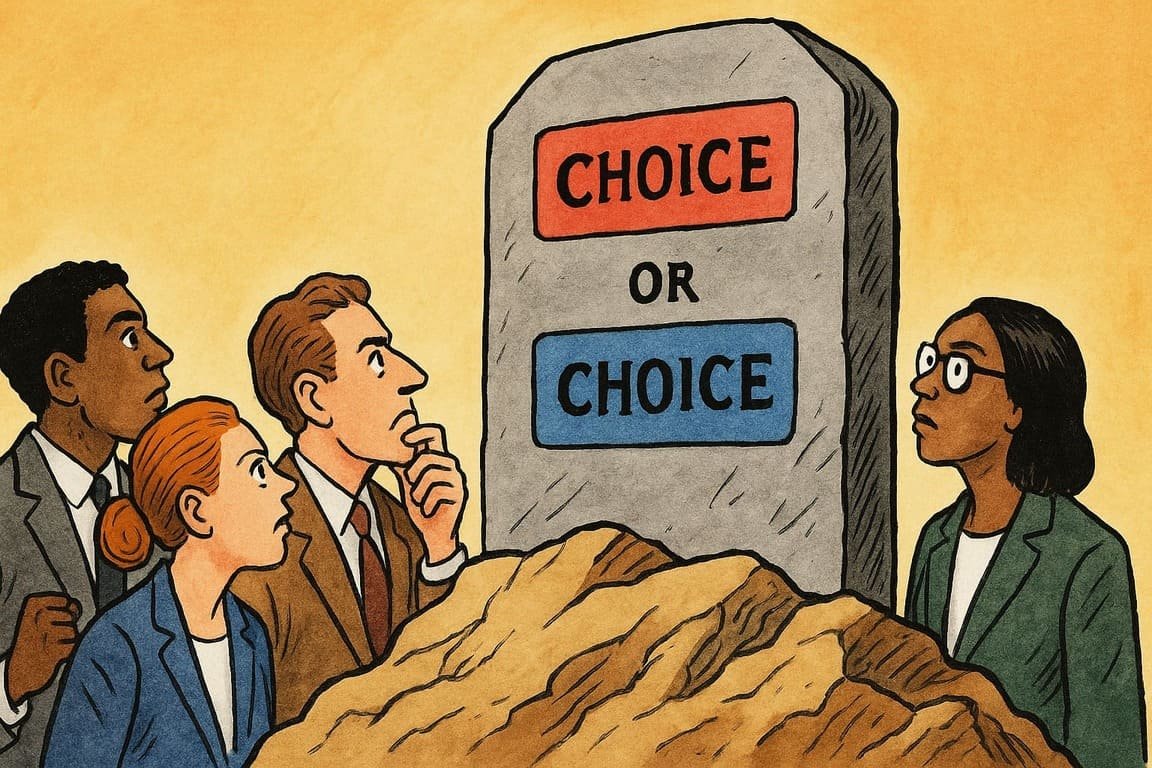
Rain tapped softly against towering glass while a boardroom screen glowed with promises that felt almost magical. Executives studied colorful dashboards, yet nobody noticed that a single software decision would quietly shape careers, customer trust, and competitive survival for years ahead. Every option looked polished. Every demonstration sounded perfect. Hidden beneath polished presentations lived an uncomfortable truth: enterprise resource planning systems rarely fail because of technology. They fail because leaders mistake purchasing software for designing a living business system that must evolve alongside people, markets, and ambition.
Choosing an ERP platform resembles laying foundations beneath a growing city rather than decorating an office. Every department eventually depends on invisible decisions made during selection, configuration, governance, and adoption. A manufacturing company that rushes implementation often discovers warehouses speaking one language while finance speaks another. That confusion spreads quietly. Gartner has repeatedly emphasized that technology transformation succeeds when organizational change receives equal attention, proving that disciplined governance matters as much as technical capability throughout implementation.
Consider Horizon Textiles, where operations director Nadia approved a cheaper ERP after impressive demonstrations filled with polished animations and confident sales language. Months later, production planners returned to spreadsheets because workflows ignored factory realities, creating frustration instead of efficiency. Another company, Alpine Foods, invested more time interviewing warehouse workers before selecting its platform. Employees felt heard, adoption accelerated naturally, inventory accuracy improved, and leadership finally trusted reports without endless reconciliation meetings. Same technology category, completely different organizational mindset.
History offers striking reminders that systems thinking beats feature shopping almost every time. Toyota became respected not because software created operational excellence, but because disciplined processes shaped technology around proven management principles. Netflix followed another lesson by continuously redesigning internal systems alongside changing business models instead of treating infrastructure as a finished purchase. Businesses embracing digital transformation understand that software should amplify healthy organizational habits. Weak processes merely become faster ways to repeat expensive mistakes across larger operations.
Technology consultants frequently ask whether artificial intelligence will soon replace traditional ERP platforms. That question sounds exciting but misses the deeper issue entirely. Artificial intelligence still relies upon trustworthy operational data flowing across purchasing, finance, logistics, customer service, and production. Broken foundations simply produce faster confusion. Professor Peter Senge argued that organizations thrive when leaders recognize interconnected systems rather than isolated events, a principle becoming even more valuable as automation, predictive analytics, and intelligent workflows reshape modern enterprises.
Spotlights dim, presentation slides disappear, and contracts gather dust inside filing cabinets, yet consequences continue unfolding every ordinary working day. Employees either move confidently through connected processes or wrestle invisible friction created by shortsighted decisions made years earlier. Organizations rarely remember flashy demonstrations, although they never escape structural choices embedded deep inside enterprise systems. Before signing another software agreement, ask one unsettling question: will this decision strengthen tomorrow’s business, or quietly imprison every future opportunity?
