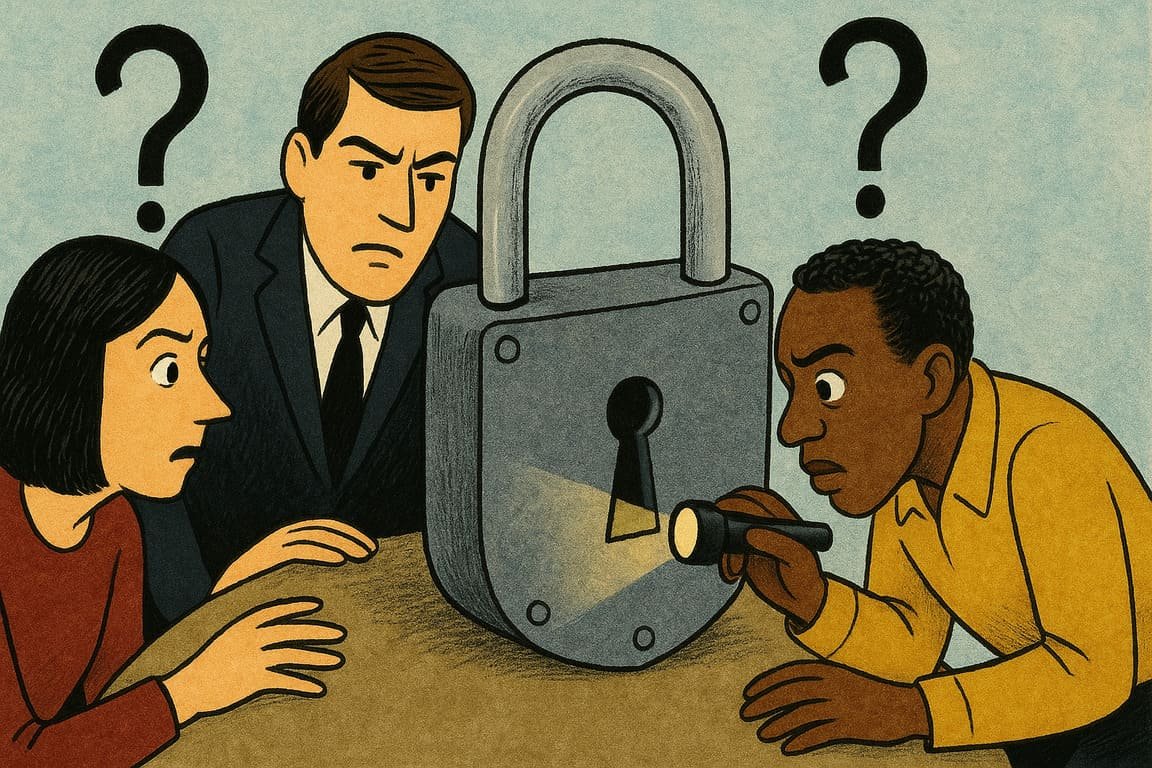
A company can display impressive cybersecurity certifications, invest in sophisticated software, and still leave its most valuable information dangerously exposed. The weakness rarely appears where executives expect it. It hides inside forgotten user accounts, outdated processes, disconnected systems, and assumptions that have quietly survived for years without challenge. The strongest defenses are not built through confidence alone because every resilient organization begins by asking difficult questions long before attackers discover the answers themselves.
Security assessments have evolved beyond technical audits into comprehensive evaluations of digital resilience across people, processes, technology, and governance. Artificial intelligence, cloud computing, remote work, connected devices, and expanding digital ecosystems have created opportunities alongside entirely new categories of risk. Modern organizations must understand how information flows across every operational layer rather than focusing only on firewalls or antivirus software. Effective cybersecurity now depends upon continuous visibility, disciplined governance, and technology systems designed to adapt as threats constantly evolve.
Microsoft has strengthened enterprise security by promoting zero trust architecture, encouraging organizations to verify every request rather than automatically trusting internal networks. IBM has similarly demonstrated how artificial intelligence can help security teams detect unusual activity before isolated incidents develop into larger operational disruptions. Gabriela directed technology operations for a healthcare provider where employees believed existing protections were more than sufficient. A routine security assessment uncovered overlooked access permissions, allowing the organization to strengthen safeguards before a genuine incident placed sensitive patient information at unnecessary risk.
The most valuable security questions often reveal business problems rather than purely technical ones. Who owns critical information, how quickly can systems recover, which suppliers introduce hidden vulnerabilities, and where do disconnected platforms weaken organizational resilience? Kieran inherited responsibility for cybersecurity after several mergers created overlapping technologies managed through inconsistent policies and fragmented oversight. Integrating governance, simplifying digital architecture, and standardizing security practices transformed scattered defenses into one coordinated system capable of responding confidently when unexpected risks emerged.
Organizations achieving lasting resilience understand that cybersecurity is fundamentally a leadership discipline supported by technology rather than a technology project supported by leadership. Continuous employee awareness, integrated data governance, intelligent automation, regular assessments, and collaborative decision making strengthen every layer of digital operations. Businesses asking better questions uncover weaknesses while they remain manageable instead of discovering them during costly crises. Competitive advantage increasingly belongs to organizations where security quietly supports innovation instead of slowing meaningful progress through unnecessary complexity.
The safest organizations are rarely those making the loudest promises about digital protection or displaying the most impressive collection of security tools. They are the ones that remain curious enough to challenge familiar assumptions before circumstances force painful lessons into public view. Every assessment becomes an opportunity to replace uncertainty with understanding and confidence with preparedness. The strongest defense will always belong to those willing to question what everyone else assumes is already secure.
