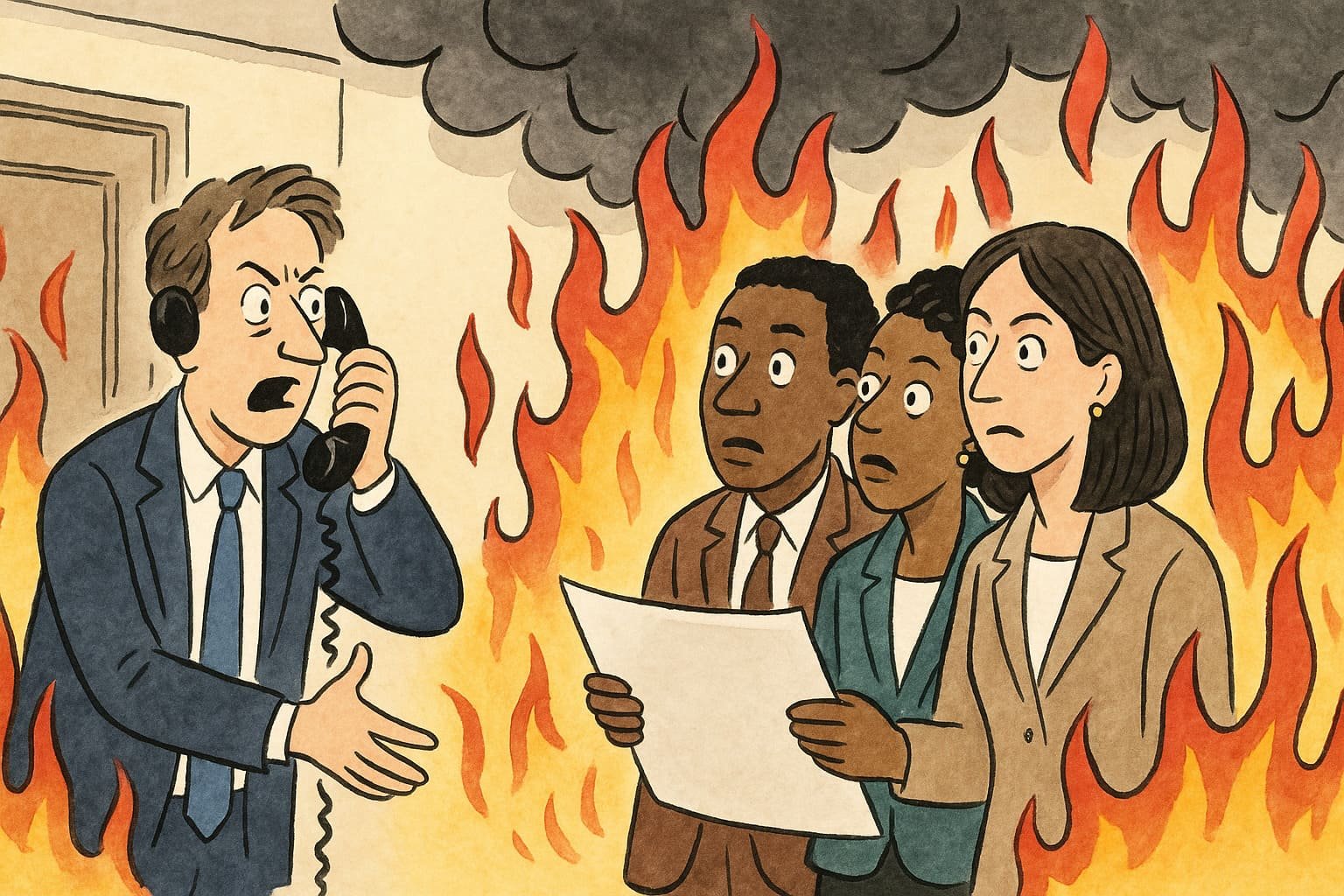
There are moments in business when a single sentence can cost a company everything. A misfired tweet. A poorly worded email. A cold response at a press conference. When crisis strikes, the difference between collapse and comeback isn’t money or muscle; it’s communication. How you speak when your brand is bleeding determines whether you live to fight another day or become a case study in failure.
Communication in crisis isn’t about public relations fluff. It’s about crafting truth without panic, clarity without coldness, and empathy without looking weak. It’s about turning panic into poise. In a world addicted to outrage and driven by clickbait scandals, the way you talk under pressure will either humanize your brand or hang it. The digital pitchforks move fast, but smart messaging can outpace them. If you don’t control your narrative, someone else will and they won’t be kind.
This article pulls back the curtain on communication magic that works when everything’s on fire. You’ll get practical, real-world strategies pulled from boardrooms, press briefings, and social media storms. These insights aren’t based on theory; they come from crises survived. From CEOs who lost billions but regained trust, to whistleblowers who weaponized words, we explore how language becomes the most valuable asset in a crisis.
We’ll break down the anatomy of reputational CPR; how to revive credibility, earn forgiveness, and create loyalty in the heat of public scrutiny. And it won’t be dry advice. This is human. Messy. Raw. Because when you’re facing the digital guillotine, it’s not your business plan that saves you. It’s your voice.
Quick Notes
- Clarity Over Chaos: Speak plainly in a crisis. Complexity fuels suspicion. Clear communication is the first act of leadership.
- Empathy Over Ego: Audiences forgive mistakes, not arrogance. Owning up with emotion earns trust faster than legalese ever will.
- Speed Over Silence: Silence lets rumor become truth. Timely responses stop the bleeding before it spreads.
- Consistency Over Contradiction: One voice, one truth, across all platforms. Mixed messages are worse than no message at all.
- Narrative Over Noise: Control the story. If you don’t, someone else will and they’ll likely weaponize it.
The Apology Economy: Why Saying “Sorry” Pays Dividends
It wasn’t the oil spill that destroyed BP’s reputation; it was their CEO calling it “a small spill in a big ocean.” One sentence turned environmental disaster into global outrage. That moment proved an uncomfortable truth: apologies aren’t just good manners. They’re economic strategy.
A genuine apology isn’t weakness. It’s a brand-building weapon. When a crisis hits, your audience isn’t looking for perfection. They want honesty, humility, and a sense that someone at the top actually cares. Netflix, after a disastrous pricing change, didn’t bounce back by ignoring the backlash. They acknowledged the outrage, reversed course, and leaned into transparency.
Avoid legal-speak apologies. No one believes “We regret any inconvenience this may have caused.” That’s not regret. That’s liability shielding. If your audience hears lawyerese instead of leadership, they assume you’re hiding. Use real words. Sound human. Be vulnerable without losing command.
Consider Domino’s Pizza. When customers called their food trash, the company didn’t sue they agreed. Publicly. They admitted their product sucked and promised to change. That brutal honesty sparked a comeback that turned a failing brand into a global powerhouse. Why? Because audiences love a good redemption arc especially one that starts with “We blew it.”
An apology, delivered right, becomes a reset button. It gives the brand a chance to evolve from villain to underdog. And we all love underdogs.
Talk Fast, Talk Smart: Speed is the First Symptom of Leadership
Remember when United Airlines dragged a passenger off a plane? The footage went viral in seconds, but their response crawled out days later; cold, corporate, and lacking any hint of humanity. Delay didn’t just cost them credibility. It painted them as indifferent. The internet doesn’t wait for corporate approval cycles.
In a crisis, every hour of silence is a chapter someone else writes. Fast communication doesn’t mean sloppy. It means being prepared in advance. The smartest companies have “break glass” communication templates ready. They know which crises are most likely and have already sketched out possible responses.
This isn’t about rushing a half-baked tweet. It’s about having a response protocol. Who speaks first? What tone do you use? Which platforms matter most? These aren’t questions for the heat of battle. They’re the playbook you build during peace.
Fast responses work when they feel immediate and thoughtful. Patagonia, facing a backlash over a sourcing issue, responded within hours; not with defensiveness, but transparency. They laid out facts, shared their internal processes, and even admitted where they failed. That speed and candor turned critics into evangelists.
Speed is authority. It shows you’re awake, aware, and in control. Delay, on the other hand, signals denial.
The One-Voice Rule: Unity is Your Armor
When the Facebook data scandal exploded, Mark Zuckerberg’s silence created a vacuum. Into that silence poured pundits, fake news, and angry users. When he finally spoke, his message clashed with his deputies’. The result? Chaos.
Mixed messages during crisis signal one thing: confusion. And if your internal team looks disoriented, the public assumes incompetence. One voice, one narrative, one emotional tone. Whether it’s your CEO, your CMO, or your Twitter (X) handle; everyone must echo the same truth.
Companies that survive storms have airtight message discipline. Consider Johnson & Johnson during the Tylenol poisoning crisis. Every spokesperson, from boardroom to pharmacy counter, told the same story. Clear. Reassuring. Human. That unity rebuilt public trust faster than any marketing campaign ever could.
Internal alignment is non-negotiable. That means real-time briefings, shared documents, and leadership clarity. Your comms team must be the heartbeat of the organization during crisis. Any inconsistency becomes a leak.
Customers don’t just buy your product. They buy your values. So when crisis hits, you don’t just defend your brand. You defend your identity. That requires a chorus, not a cacophony.
Empathy Is Strategy, Not Sentiment
When Airbnb faced backlash for racial bias on its platform, their response wasn’t defensive. It was deeply human. They acknowledged the pain, implemented new anti-discrimination policies, and hired civil rights advisors. That empathy wasn’t just PR. It was strategy.
Audiences are emotionally intelligent. They sniff out fake tears. They know when a brand is posturing. True empathy in communication shows when you make people feel heard; not just talked at. This means listening before talking. Monitoring sentiment. Reading comments. Understanding cultural context.
Empathy doesn’t mean agreeing with every critic. It means understanding why they’re upset. Nike took a risk supporting Colin Kaepernick. Some boycotted. But many applauded their stance. Nike wasn’t pandering. They were planting a flag. They chose who to stand with and their message reflected that alignment.
Empathetic communication involves more than saying “we understand.” It’s about showing what you’re doing to earn that understanding. It’s active. It’s messy. And it’s worth it.
A crisis isn’t just a business risk. It’s a moment of emotional reckoning. Empathy turns outrage into opportunity.
Own the Story or Be Owned By It
Elon Musk doesn’t wait for journalists to write his story. He tweets it himself; raw, unfiltered, chaotic, but controlled. Love him or loathe him, he understands one thing: the storyteller controls the spotlight.
In a media storm, your job isn’t just to explain. It’s to frame. Are you the villain or the visionary? The failure or the fighter? The moment you step back, critics step in. They’ll write your story with headlines that bite and narratives that stick.
The best brands turn crises into character arcs. Remember how Tylenol turned tragedy into triumph by becoming the industry standard for product safety? Or how Slack responded to a global outage not with excuses but memes, transparency, and humility and came out even more loved?
You need narrative architects on your team. People who can translate facts into meaning. Spin into sincerity. Drama into direction. Without that, you’re at the mercy of public imagination.
Words aren’t just weapons in a crisis. They’re shields. They’re bandages. They’re blueprints. Own the story—or be reduced to a headline.
When the World Watches, Speak Like It Matters
In crisis, communication becomes your soul on display. People aren’t listening for statements. They’re listening for beliefs. Your values. Your humanity. Your gut.
This isn’t about damage control. It’s about brand resurrection. When everything falls apart, the right words don’t just save face. They rebuild it; stronger, bolder, more believable than before.
If you remember nothing else, remember this: the world forgives error. It doesn’t forgive arrogance. Speak fast. Speak true. Speak human. Your future depends on it.
So here’s your challenge: The next time your brand stumbles, will your words betray fear or reveal courage?
