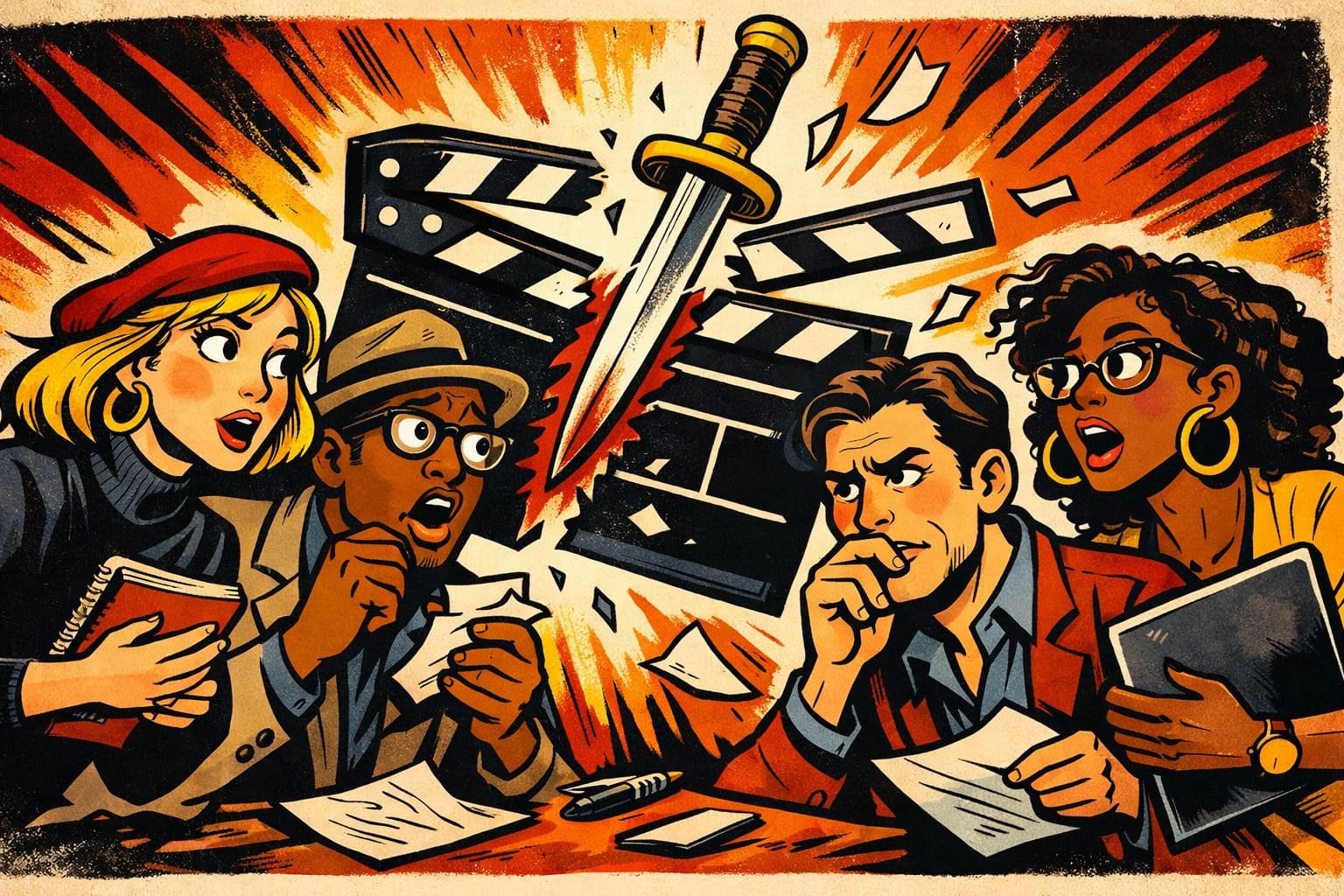
Steel doors slammed inside a forgotten film studio while editors argued over a scene lasting only a handful of seconds. Nobody questioned the actors. Nobody blamed expensive cameras. Every debate circled a quieter suspect. One cut arrived too early. Another lingered too long. Audiences would never notice those decisions consciously, yet they would feel every one of them. Writing follows that same invisible craft. Readers rarely abandon articles because ideas disappoint. They leave when rhythm breaks before emotion reaches its destination.
Many writers believe editing means correcting grammar, removing spelling mistakes, or shortening paragraphs. That barely scratches the surface. True editing reshapes emotional timing. Every deleted sentence strengthens another. Every pause invites curiosity. Every paragraph carries hidden momentum toward a larger revelation. Film editor Walter Murch famously described editing as choosing moments that preserve emotional truth above technical perfection. Great business writing operates under identical rules. Precision matters because every unnecessary word quietly steals attention from the sentence carrying genuine impact.
Pixar offers a remarkable example through storytelling rather than spectacle. Characters rarely explain their feelings directly. Small visual choices reveal them naturally, allowing audiences to participate instead of merely observing. Basecamp embraced a similar philosophy through its concise product communication, replacing bloated corporate language with calm, human clarity. Lena Okafor discovered this lesson after rewriting an investor presentation late into one restless evening. She removed half the slides, preserved only essential ideas, and investors finally discussed her vision instead of her presentation.
A strange habit appears inside every family photo album. People often pause longest over imperfect pictures where someone laughs unexpectedly or glances away from the camera. Imperfection feels believable. During a magazine redesign, editor Victor Huang circled one paragraph before quietly crossing out three polished sentences everyone admired. “Readers already know these,” he murmured. The remaining line landed with unexpected force because silence surrounded it, proving omission often sharpens meaning more effectively than elaborate explanation ever could.
Behavioral science helps explain this effect. Human memory rarely stores continuous experiences. Instead, people remember peaks, surprises, emotional contrasts, and endings. Legendary advertising campaigns from Volkswagen’s understated copy to Apple’s minimalist product pages succeed partly because disciplined editing leaves space for imagination. Nobel laureate Daniel Kahneman observed that memory favors defining moments over complete experiences. Strong editors build around those moments deliberately, shaping every article, advertisement, or email like filmmakers arranging unforgettable scenes rather than assembling endless information.
Projectors dim inside an empty screening room while forgotten frames scatter across cutting-room floors, each discarded moment making another unforgettable. Readers experience polished writing without witnessing sacrifices hidden beneath every finished paragraph. That invisible discipline separates memorable brands from noisy competitors chasing attention through excess instead of restraint. Editing becomes an act of respect because every removed sentence returns precious time to another human being. Ask whether every word earns its place, or merely occupies valuable space where a stronger idea belongs.
