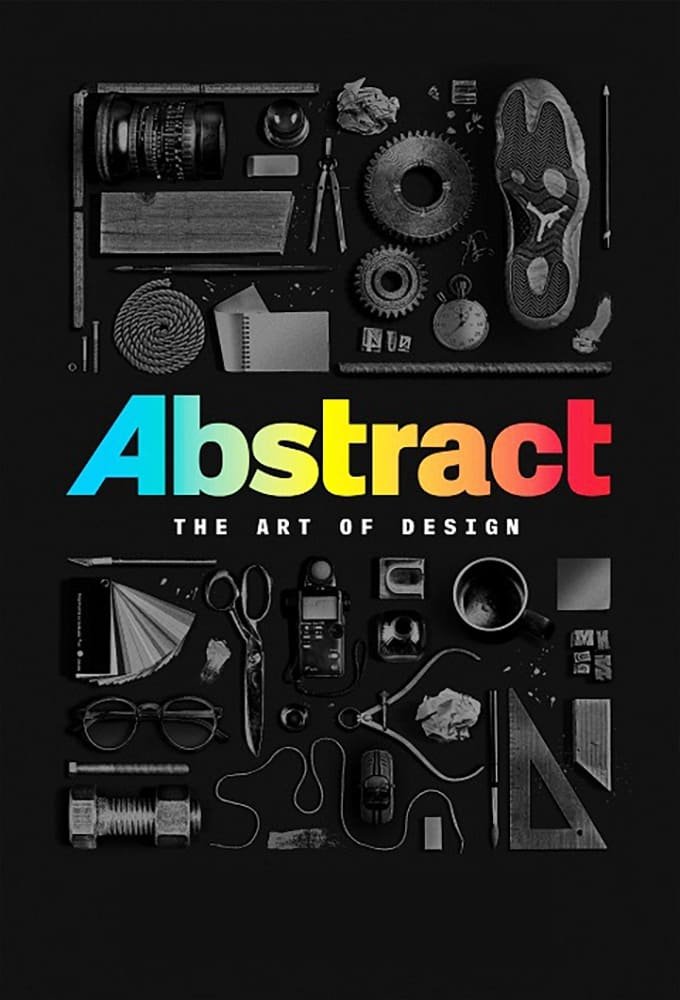
Design isn’t just aesthetics. It’s how we touch the world and how it touches us back. That’s the seductive undercurrent pulsing through every frame of Netflix’s Abstract: The Art of Design. From the first beat, this documentary series doesn’t merely showcase creatives. It peels back the surface of modern life, showing how design molds culture, fuels innovation, and shapes what we see, feel, and even believe. It’s not entertainment; it’s revelation, frame by frame.
We live in a world saturated by form. Fonts whisper from street signs, sneakers breathe design DNA, and concert stages become sculptural spectacles of light and sound. “Abstract” lures us into these realities, not through passive observation but by dropping us behind the eyes of visionary thinkers. These aren’t talking heads. They’re world-shapers, storytellers, rebels and each episode is a mind-expanding plunge into their unique universes. The camera dances, the editing sings, and the ideas burn with intensity.
What truly separates “Abstract” from every other docuseries on creativity is its daring refusal to play safe. It doesn’t just explain design; it embodies it. Every episode is curated like a masterclass-meets-art installation, visually hypnotic, intellectually ambitious, and emotionally stirring. It doesn’t ask us to admire the work. It demands we feel it. You don’t just watch; you participate.
This isn’t a show you stream while doing laundry. It’s the kind of series that grabs your attention and holds it hostage. Whether you’re a graphic artist, a sneakerhead, a tech visionary, or someone who still draws stick figures on birthday cards, “Abstract” unearths something universal. It teaches that creativity isn’t limited to studios or sketchbooks. It’s in everything: how we build, communicate, dress, and dream.
In a post-AI world where imagination is the new currency, “Abstract” becomes not just timely but necessary. It’s Netflix’s love letter to the people reshaping reality in pixels, pigments, and pixels. And as you’ll soon discover, every episode is a passport into the mind of someone who dared to see the world; not just as it is but as it could be.

Quick Notes
- Each episode profiles a world-class designer across industries like illustration, architecture, automotive, stage design, and typeface creation.
- “Abstract” blends cinematic storytelling with intimate, behind-the-scenes access to creative processes and decision-making.
- Visuals are stunning and purposeful: editing mirrors the subject’s design style, making each episode feel personally tailored.
- The show elevates design thinking as a cultural force that influences not just objects, but politics, identity, and human emotion.
- Features icons like Christoph Niemann, Tinker Hatfield, Es Devlin, and Paula Scher; each redefining what it means to be a designer in their space.
Designing Minds: What Happens When Creativity Becomes a Lens for Life?
Every episode of **Abstract: The Art of Design** feels like entering a different universe; one where the rules of reality are bent by the visions of the world’s most daring designers. The show kicks off with Christoph Niemann, an illustrator whose work graces the covers of *The New Yorker*, and immediately disrupts our expectations. Instead of talking *about* creativity, Niemann invites us *into* his creative struggle. We watch sketches evolve in real time, experience interactive animations, and even see the world through his quirky, obsessive mind. It’s not a profile; it’s a portal.
Next, we’re taken inside the mind of Tinker Hatfield, the maverick sneaker designer at Nike behind the Air Jordan legacy. His episode straddles sports and design, engineering and street culture. It’s more than just shoes; it’s rebellion, identity, and global influence stitched into soles. Watching Tinker deconstruct a shoe feels like watching Da Vinci sketch a helicopter. Every curve, every sole, every lace holds decades of innovation and the stakes of getting it wrong are just as high.
Then there’s Es Devlin, whose episode crackles with theatrical flair. A stage designer by trade, Devlin doesn’t just create environments; she engineers emotion. Through her, the audience witnesses how geometry, color, and light choreograph human feeling. Her work with Beyoncé, Kanye West, and U2 reveals a curious truth: the most unforgettable performances aren’t always about the performers. Sometimes, it’s the stage that tells the story, that gives space for spectacle and soul.
The series also profiles Paula Scher, the typeface titan behind some of the world’s most recognizable branding. But “Abstract” doesn’t just hand her accolades; it hands her a whiteboard and watches her dance with letters. We see typography as power: how font choices can radicalize protest posters, shape political campaigns, and brand entire cities. Scher’s unapologetic boldness, coupled with her unmatched precision, reminds us that good design doesn’t whisper; it roars.
Each episode continues this pattern: deep dives into the inner sanctums of creatives like architect Bjarke Ingels, photographer Platon, car designer Ralph Gilles, and interior designer Ilse Crawford. But rather than feeling like repetitive spotlights, each story reinvents the show’s format. The cinematography mimics the subject’s style. The music adapts. The editing shifts tempo. It’s as if the show itself is a chameleon, morphing with every mind it enters. And that’s the point; design, after all, is personal.
Mind-Blown by Design: Lessons That’ll Stick with You for Life
True design transcends tools; it’s about intent. “Abstract” doesn’t focus on the software or the sketchpad. It hones in on purpose. Christoph Niemann, for instance, doesn’t draw just to impress; he draws to communicate, to simplify complexity, to humanize chaos. His work teaches us that creativity isn’t decoration; it’s translation. It’s how we turn abstract thoughts into universal language. This realization shatters the myth that design is just for the “artistic.” It’s for anyone who’s ever tried to make sense of the world.
Es Devlin’s episode hits you like a tidal wave of emotion. Her designs aren’t just sets; they’re living, breathing narratives. From rotating stages to immersive LED monoliths, she shows how space can tell stories louder than words. What you learn here is that environment matters. Whether it’s a concert arena or your home office, what surrounds you shapes how you think, feel, and connect. Her work becomes a call to arms: craft your spaces like they matter, because they do.
Tinker Hatfield’s journey redefines failure. Nike’s sneaker culture wasn’t built on polished ideas; it was born out of experiments, pushback, and grit. Tinker reveals that innovative design often requires risk, ridicule, and resilience. He even designed the Air Jordan XI behind Jordan’s back. The payoff? A sneaker that became a cultural earthquake. From him, we absorb a powerful truth: the best ideas often start as rule-breaking sketches no one believes in until they change everything.
Paula Scher’s typography is not just art; it’s activism. Watching her work is like watching someone wield type as a weapon. She doesn’t just make letters look pretty; she makes them speak. Loudly. Her approach reveals that good design influences perception, emotion, and even behavior. It makes you question what fonts you trust, what colors you associate with power, and how branding molds belief. You begin to see the world as layers of messages, coded through shapes, styles, and symmetry.
Perhaps the most profound insight across the series is this: design is empathy in action. Whether it’s Ilse Crawford designing human-centered furniture or Platon capturing the soul of presidents through photography, each creative act is a form of listening. They don’t impose ideas; they interpret needs. And in a time when noise is everywhere, “Abstract” reminds us that true creativity doesn’t shout. It listens first, then responds with vision, courage, and craft.
Why Abstract Isn’t Just a Show: It’s a Wake-Up Call
If you’ve ever scrolled past “Abstract: The Art of Design” thinking it was just for designers, think again. This isn’t a show about drawing lines; it’s about drawing connections. Each episode tears down the invisible wall between the creator and the consumer, the genius and the everyday thinker. It doesn’t just showcase talent; it exposes the messy, electric, wildly human process behind the beauty we too often take for granted. And once you’ve seen the world through a designer’s lens, you can’t unsee it.
The brilliance of “Abstract” lies not in its polish, but in its vulnerability. These creators aren’t perfect. They’re flawed, neurotic, obsessive & real. Yet through their imperfections, they build the world we live in. Watching them fail, pivot, struggle, and eventually soar is deeply humanizing. You find yourself reflecting: Where in your own life are you designing something? A career? A relationship? A legacy? Suddenly, the line between artist and audience blurs, and you realize: you’re part of this conversation too.
One of the show’s most lasting effects is the subtle rewiring it does to your brain. After bingeing a few episodes, you’ll never look at a sneaker, a chair, or even a subway map the same way again. That’s the power of design; it sneaks up on you. It makes the mundane magical. And “Abstract” doesn’t just teach this; it embodies it. From its kinetic editing to its masterful sound design, the show itself becomes an object of art. It practices what it preaches.
Perhaps the most surprising emotional twist is how hopeful it feels. In a world of algorithmic sameness, of templated lives and copy-paste aesthetics, “Abstract” dares to celebrate individuality. It reminds us that imagination is still alive, thriving, and absolutely essential. It insists that beauty, meaning, and originality aren’t luxuries; they’re blueprints for survival in an increasingly mechanical world. And that message lingers long after the credits roll.
So if you’re burnt out, uninspired, or stuck in a loop of mediocrity, consider this show your creative defibrillator. “Abstract: The Art of Design” won’t just entertain you. It’ll challenge you. Inspire you. Awaken you. Because at its core, it doesn’t care whether you consider yourself a designer or not. It knows the truth: you already are.
Disclaimer
It’s also critical to remember that whether the TV Show is either a work of fiction or a real-life depiction, it must be emphasized that the actions depicted within are not encouraged in reality and shouldn’t be imitated. The review aims to analyze the storytelling, characters, and business decisions portrayed in the TV Show solely for educational and entertainment purposes. Any ethical & unethical practices highlighted in the TV Show are not endorsed by the Esyrite publication.
Why scroll… When you can rocket into Adventure?
Ready to ditch the boring side of Life? Blast off with ESYRITE, a Premier Management Journal & Professional Services Haus—where every click is an adventure and every experience is enchanting. The ESYRITE Journal fuels your curiosity to another dimension. Need life upgrades? ESYRITE Services are basically superpowers in disguise. Crave epic sagas? ESYRITE Stories are so wild, your grandkids will meme them. Want star power? ESYRITE Promoted turns your brand cosmic among the stars. Tired of surface-level noise? ESYRITE Insights delivers mind-bending ideas, and galactic-level clarity straight to your inbox. Cruise the galaxy with the ESYRITE Store —a treasure chest for interstellar dreamers. Join now and let curiosity guide your course.
