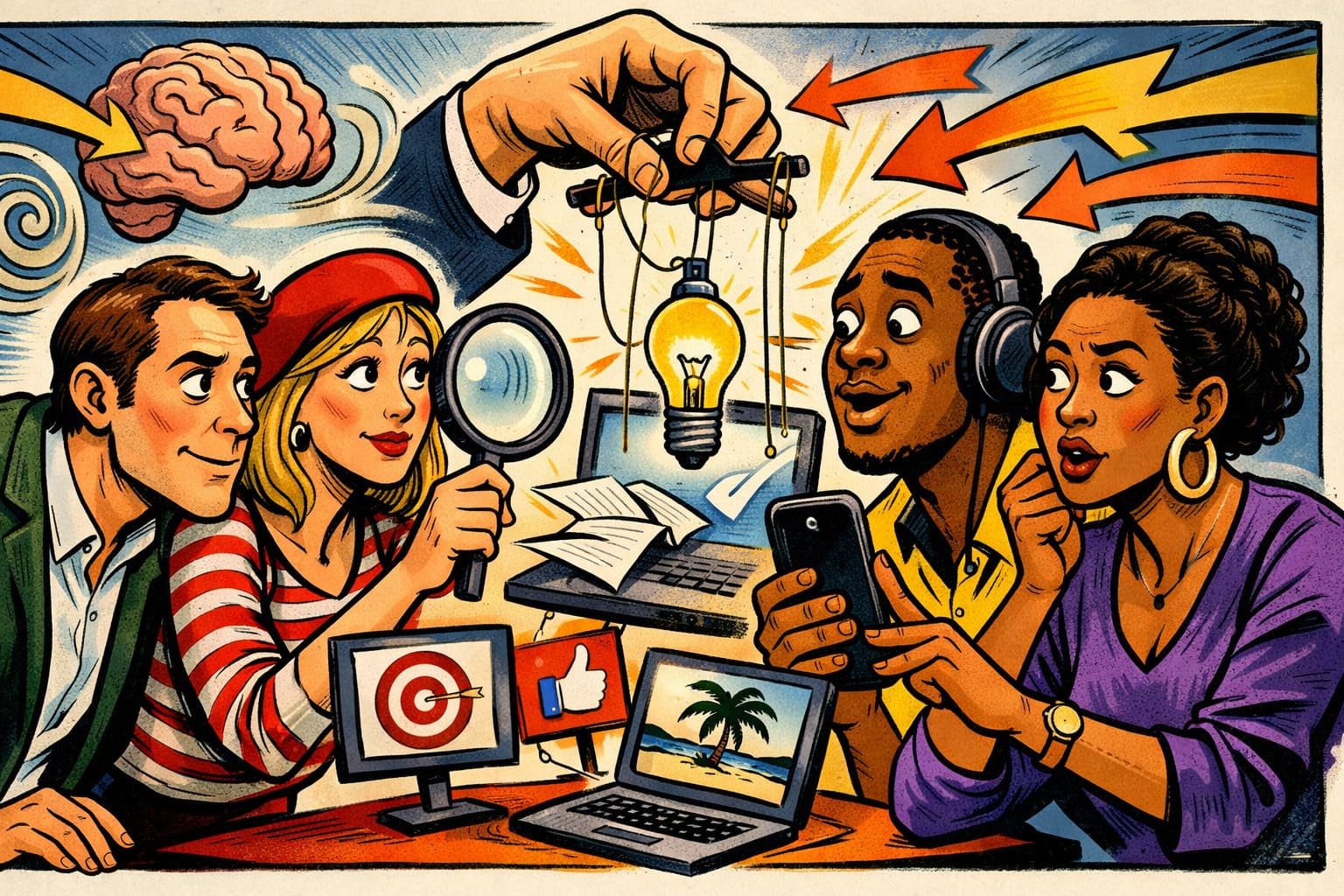
Applause erupted inside a glittering product launch, yet the loudest reaction came several hours later from people sitting alone with glowing phones and unfinished coffee. Nobody bought because a presentation looked impressive. They bought because a story quietly rearranged how they understood their own problems. That hidden shift explains why psychology sits beneath every successful content strategy. Information may attract attention for a moment, but emotion, identity, and meaning quietly determine whether curiosity becomes commitment.
Marketing discussions often revolve around formats, platforms, or publishing frequency while overlooking a simpler question. Why does one message stay with people after midnight while another disappears before lunch? Nike has answered that repeatedly by selling personal possibility instead of footwear, while Dove reshaped beauty conversations by inviting audiences into a broader emotional narrative rather than another product comparison. Neither strategy depends solely on creativity. Both begin with understanding how people see themselves before they ever notice a brand.
Marisol managed communications for a regional nonprofit struggling to inspire volunteers despite publishing thoughtful updates every week. Attendance changed dramatically after stories shifted from organizational achievements toward individual transformations, allowing readers to imagine themselves inside those journeys. One retired teacher quietly joined after reading about another volunteer rediscovering purpose through mentorship. Months later she recruited neighbors, friends, and relatives without receiving any promotional incentive. Meaning had spread where marketing previously stalled.
Behavioral psychology suggests people rarely make decisions through logic alone. Emotions create momentum first, while rational explanations often arrive afterward to justify choices already made. Disney understands this instinct exceptionally well. Families remember shared experiences, familiar characters, and emotional moments long before recalling ticket prices or scheduling details. Effective content works the same way. Facts establish credibility, but memorable narratives help audiences organize those facts into beliefs that feel personal, durable, and worth sharing.
A cybersecurity startup once produced technically brilliant articles that impressed industry specialists yet confused prospective customers. Leadership experimented with case-driven storytelling instead of feature lists, describing ordinary workplace frustrations before introducing practical solutions. Readers remained longer, conversations became warmer, and sales meetings started with recognition instead of explanation. Prospects arrived already believing the company understood their challenges. Trust had begun forming long before anyone requested a demonstration.
Footprints disappear quickly after fresh rain, yet paths walked repeatedly become impossible to ignore. Brands leave similar trails inside memory. Every article, video, conversation, and shared experience either strengthens or weakens emotional association with an idea larger than a product itself. Sustainable growth belongs to organizations shaping perception before pursuing persuasion. Before publishing another piece of content, consider one lingering question: are you filling screens with information, or quietly shaping decisions that readers will believe were entirely their own?
