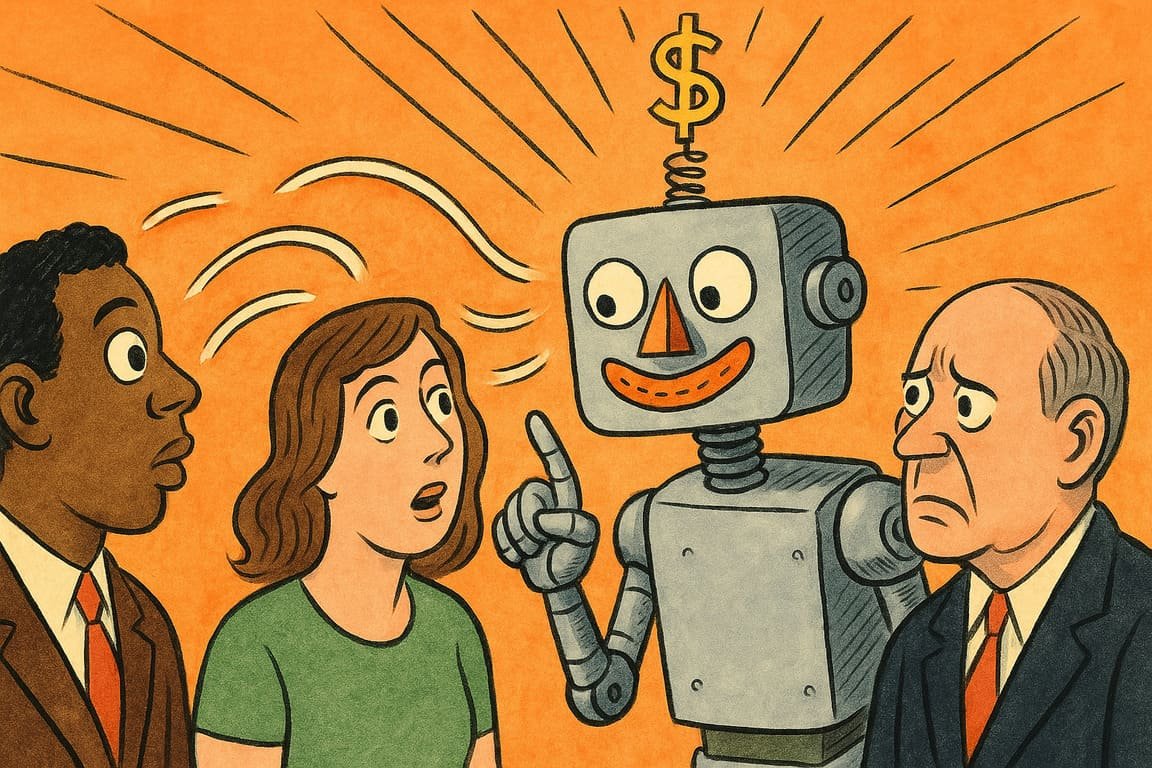
Neon reflections shimmered across rain-soaked storefront windows while shoppers wandered with phones glowing brighter than display signs. Every advertisement competed for a heartbeat of attention, yet one recommendation quietly felt less like marketing and more like a trusted suggestion from an old friend. That subtle difference marked a turning point. Artificial intelligence has begun reshaping persuasion not by shouting louder, but by understanding context, timing, and human behavior with remarkable precision.
Persuasion has always depended upon relevance rather than volume. Intelligent systems now analyze browsing patterns, purchasing habits, customer feedback, and engagement signals, helping businesses deliver experiences that feel timely instead of intrusive. Spotify mastered this principle by recommending music that often surprises listeners with uncanny accuracy while strengthening long-term loyalty. Helena, who owned an independent bookstore, stopped sending identical promotional emails and began tailoring recommendations around reading interests, discovering that thoughtful personalization inspired genuine conversations instead of silent unsubscribes.
Many organizations misunderstand artificial intelligence by treating it as an automated salesperson rather than a sophisticated decision support system. Effective persuasion still begins with trust because algorithms cannot manufacture credibility where none exists. Netflix studies viewing behavior to improve recommendations, yet compelling storytelling remains the real reason audiences return. Omar managed an online fitness business where aggressive automation initially overwhelmed customers, but calmer, better-timed communication rebuilt confidence and increased lasting relationships without adding pressure.
Behavioral science explains why intelligent persuasion feels so powerful. People naturally respond to familiarity, relevance, convenience, and reduced mental effort, making personalization effective when guided responsibly. Nobel laureate Daniel Kahneman showed that human decisions often rely upon fast, intuitive thinking before deliberate analysis begins. Businesses applying artificial intelligence thoughtfully remove unnecessary friction rather than manipulating emotions, allowing customers to make clearer choices instead of feeling cornered by relentless marketing tactics.
Technology systems reveal another important truth. Artificial intelligence performs best when connected with ethical leadership, reliable customer data, transparent governance, and meaningful human oversight rather than operating in isolation. Salesforce has consistently positioned AI as an assistant supporting stronger customer relationships instead of replacing authentic engagement. Organizations chasing quick conversions through manipulation may enjoy temporary success, yet businesses investing patiently in trust often build reputations that outlast every algorithm update and shifting consumer trend.
Fireflies drifted above a quiet hillside where countless tiny lights created a breathtaking pattern impossible to appreciate from a single viewpoint. Every meaningful customer relationship begins with understanding before persuasion, because lasting influence grows from respect rather than clever technology alone. Intelligent systems will continue transforming commerce, yet their greatest achievement will never be predicting what people click. Their greatest achievement will be helping businesses remember why people choose to care in the first place.
