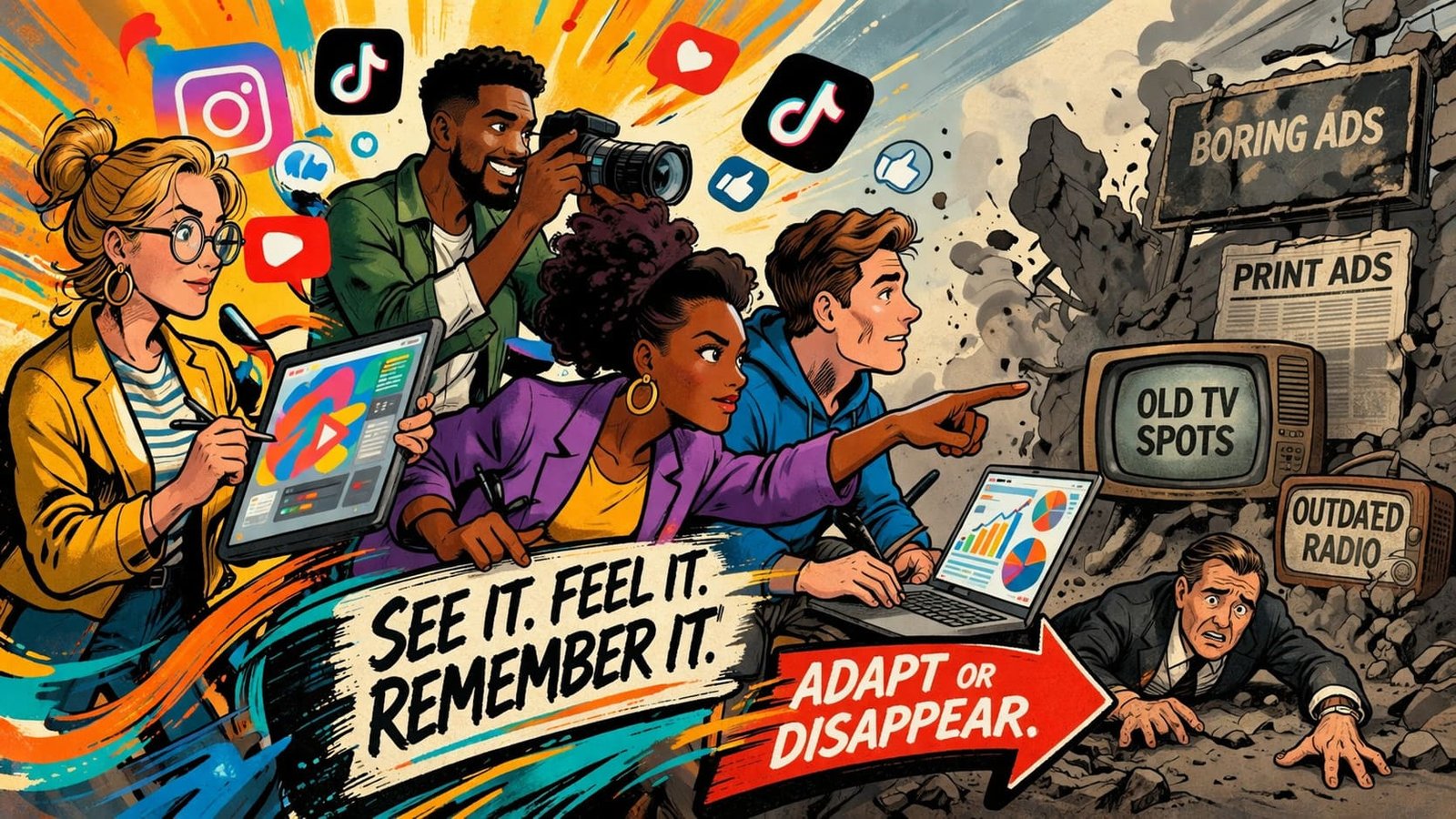
Electric screens flickered across a crowded shopping district where thousands of polished slogans competed for passing attention. Most dissolved into the background before a single word settled inside memory. Then an enormous photograph stopped hurried footsteps without asking permission. Faces turned almost instinctively. Human vision moves faster than conscious thought, and every remarkable image whispers a promise before language catches up. Modern marketing lives inside that split second, where visual storytelling quietly determines whether curiosity survives long enough for trust to begin.
Businesses often underestimate how quickly audiences judge credibility through design, imagery, and visual consistency. Before reading headlines or comparing prices, people instinctively absorb colors, composition, typography, and emotional cues that shape expectations. Canva expanded far beyond software because its visual simplicity lowered creative anxiety for millions of users. Apple continues proving that thoughtful design communicates confidence long before technical specifications enter the conversation. Strong visuals do not replace substance. They prepare the mind to receive it with greater openness.
Isabella directed marketing for a respected manufacturing company whose products consistently outperformed competitors, yet online engagement remained disappointingly weak. Customer interviews revealed an awkward disconnect. Technical excellence hid beneath outdated photography and cluttered product pages that made innovation appear ordinary. Her team invested in authentic factory images, short demonstration videos, and cleaner visual storytelling rather than louder promotional campaigns. Prospective buyers immediately spent more time exploring solutions because presentation finally reflected the quality customers experienced after purchasing.
A museum curator understands that placement often changes perception more than possession. An ordinary object displayed with thoughtful lighting and careful context suddenly invites admiration instead of indifference. Brands encounter that same phenomenon every day. Airbnb transformed property listings through compelling photography that encouraged travelers to imagine experiences instead of merely comparing accommodation. National Geographic has built enduring authority by pairing extraordinary imagery with meaningful storytelling, reminding audiences that powerful visuals earn attention while compelling narratives sustain it.
Curiously, old family photographs survive generations even when names slowly disappear from memory. Images preserve emotional truth with remarkable resilience because the mind stores visual experiences differently from written explanations. Digital marketing follows similar psychological patterns. Infographics simplify complexity, short videos reveal personality, and thoughtful design removes friction from decision making. Organizations adapting their visual language alongside changing customer expectations continue earning attention, while those treating design as decoration quietly fade behind competitors communicating with greater clarity.
City skylines shimmered beneath countless illuminated windows, each reflecting a different story waiting to be noticed by someone willing to pause. Brands that understand visual marketing never confuse appearance with superficiality. They recognize that every image, layout, illustration, and frame becomes another silent conversation shaping confidence before words arrive. Markets rarely reward businesses that refuse to evolve how they are seen. Every meaningful transformation begins when vision changes first. The next customer may decide whether to stay before reading the opening sentence.
