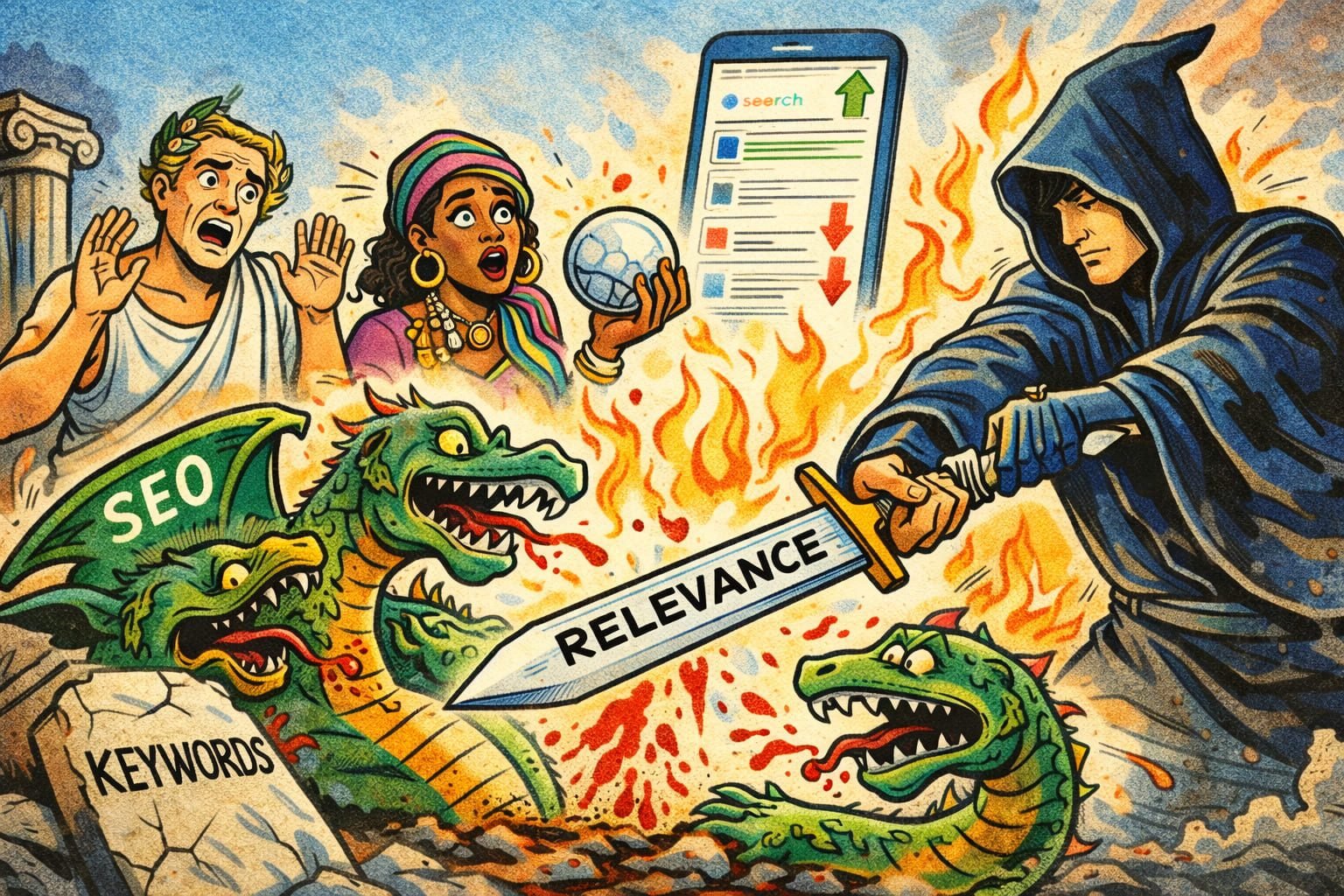
Crowds gathered around a towering scoreboard that nobody had bothered to question. Numbers climbed, names shuffled, applause erupted, yet an uncomfortable truth lingered in plain sight. Winning looked obvious until someone asked a simple question: what exactly was being measured? Businesses fall into the same trap every day. Rankings feel permanent because human minds crave neat hierarchies, but relevance has always been a moving target shaped by changing needs, shifting attention, and relentless context.
Search engines understand that uncomfortable reality better than most organizations. A page sitting at the top today can disappear tomorrow because relevance changes whenever people ask different questions or expect richer answers. Google has steadily rewarded content that satisfies genuine intent rather than pages engineered around mechanical tricks. A travel agency once obsessed over holding a coveted ranking until customer inquiries revealed visitors actually wanted local experiences instead of polished destination lists, forcing an overdue rethink that revived engagement.
Netflix offers another revealing lesson. Success never depended on displaying every blockbuster first. Instead, recommendation systems learned which stories mattered to individual viewers, making relevance more valuable than popularity alone. Maya managed content for an online furniture retailer and proudly celebrated impressive keyword positions while sales quietly declined. Customer interviews exposed an awkward truth. Visitors landed on articles answering broad questions, yet left because practical buying guidance never appeared when confidence mattered most.
History offers a curious pattern that marketers often overlook. Libraries survived centuries not because every book ranked equally but because skilled librarians connected readers with precisely the right knowledge at exactly the right moment. Digital marketing follows that same principle despite far louder technology surrounding it. HubSpot built much of its reputation by publishing educational resources matching genuine business questions instead of chasing isolated keywords, proving trust compounds when usefulness consistently arrives before persuasion.
An abandoned train station occasionally attracts photographers despite serving no passengers for years. Architecture remains impressive, but relevance disappeared once people stopped needing that journey. Websites experience similar fates. Beautiful design, strong authority, and impressive rankings cannot compensate when audiences move elsewhere or ask entirely different questions. Every algorithm update quietly reminds organizations that attention belongs to those solving today’s problems rather than yesterday’s search patterns, regardless of how successful earlier strategies once appeared.
Footsteps faded across polished stone while forgotten trophies gathered another layer of dust inside a glass cabinet no visitor paused to admire. Achievement without continuing usefulness slowly transforms into decoration, admired briefly before attention drifts elsewhere seeking greater meaning. Businesses that embrace relevance treat every ranking as temporary, every audience question as an invitation, and every search as another chance to earn trust instead of demanding visibility. Ask yourself whether people remember your position, or the value they discovered because your answer arrived exactly when they needed it.
