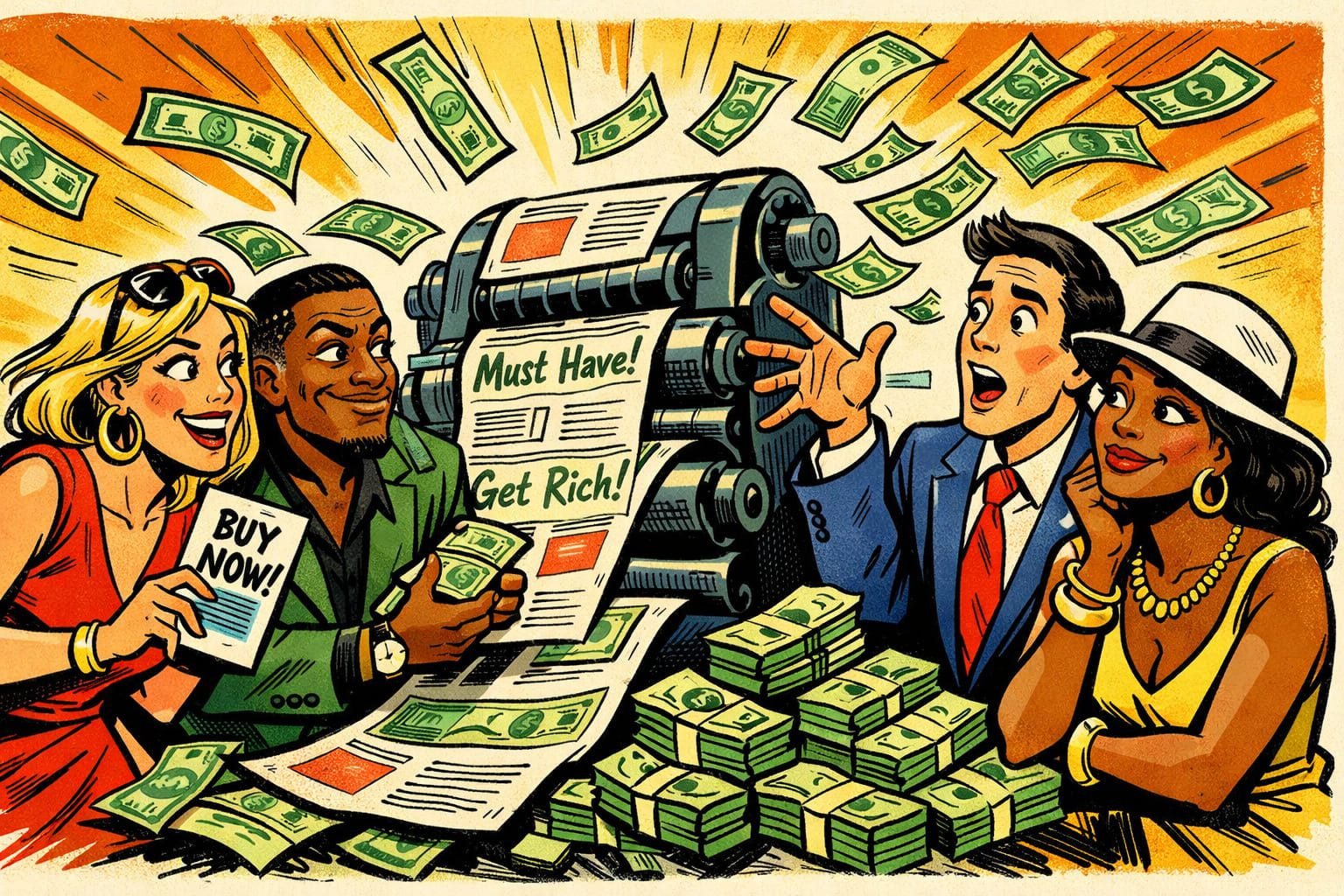
Curtains lifted before a packed theater, yet nobody rushed toward the brightest spotlight. Eyes drifted instead toward a single whispered line that promised a mystery waiting backstage. Desire behaves that way. It rarely responds to louder voices or longer explanations. It follows anticipation. Businesses chasing relentless growth often believe superior products automatically create demand, but history keeps delivering another verdict. Carefully chosen words awaken imagination first, allowing value to feel personal long before logic arrives carrying receipts and comparisons.
Many brands mistakenly treat copy as polished decoration wrapped around finished products. Strong businesses reverse that order. They begin by understanding hidden emotional cravings before writing a single sentence. Every headline, product description, landing page, and advertisement becomes a bridge connecting aspiration with ownership. Nobody purchases premium coffee because roasted beans contain magical chemistry. Customers willingly pay more because language transforms an ordinary drink into ritual, identity, comfort, or quiet ambition carried inside a familiar morning cup.
Tesla mastered this principle without relying heavily on conventional advertising. Conversations centered around innovation, bold missions, and technological optimism created desire that extended far beyond vehicle specifications. Glossier achieved similar momentum by writing like a trusted friend rather than a cosmetics corporation. Sofia Mendes discovered the same lesson while selling handmade leather journals through a modest online shop. She stopped describing paper quality and stitching techniques, choosing instead to invite customers into stories about ideas worth preserving, and demand quietly outpaced production.
A peculiar contradiction appears inside crowded bookstores. Readers often purchase novels after reading only a paragraph, despite knowing almost nothing about the full story. Desire begins where certainty ends. During a product launch meeting, entrepreneur Hassan Malik erased an entire presentation celebrating advanced software capabilities. One sentence survived. “Finish work before dinner feels cold.” Clients suddenly pictured evenings reclaimed from endless spreadsheets, revealing that emotional outcomes consistently outweigh technical explanations when purchasing decisions quietly take shape.
Legendary copywriter Eugene Schwartz argued that copy cannot create desire from nothing. Instead, remarkable writing channels existing human wants toward meaningful solutions. Modern luxury brands continue proving that observation. Hermès rarely sells handbags through features because craftsmanship alone cannot explain extraordinary devotion. Every carefully chosen phrase reinforces belonging, heritage, patience, and scarcity. Great copy behaves less like persuasion and more like translation, converting invisible aspirations into language customers immediately recognize as deeply familiar.
Footsteps fade after another crowded shopping district closes, although countless conversations continue echoing inside kitchens, taxis, offices, and late-night group chats. Nobody remembers every advertisement encountered during the day. People remember whichever words quietly attached themselves to dreams already waiting beneath ordinary routines. Wealth rarely follows products alone because profitable brands understand an uncomfortable secret. Revenue grows where desire feels understood before being fulfilled. Consider which future your words invite readers to imagine before asking them to buy.
