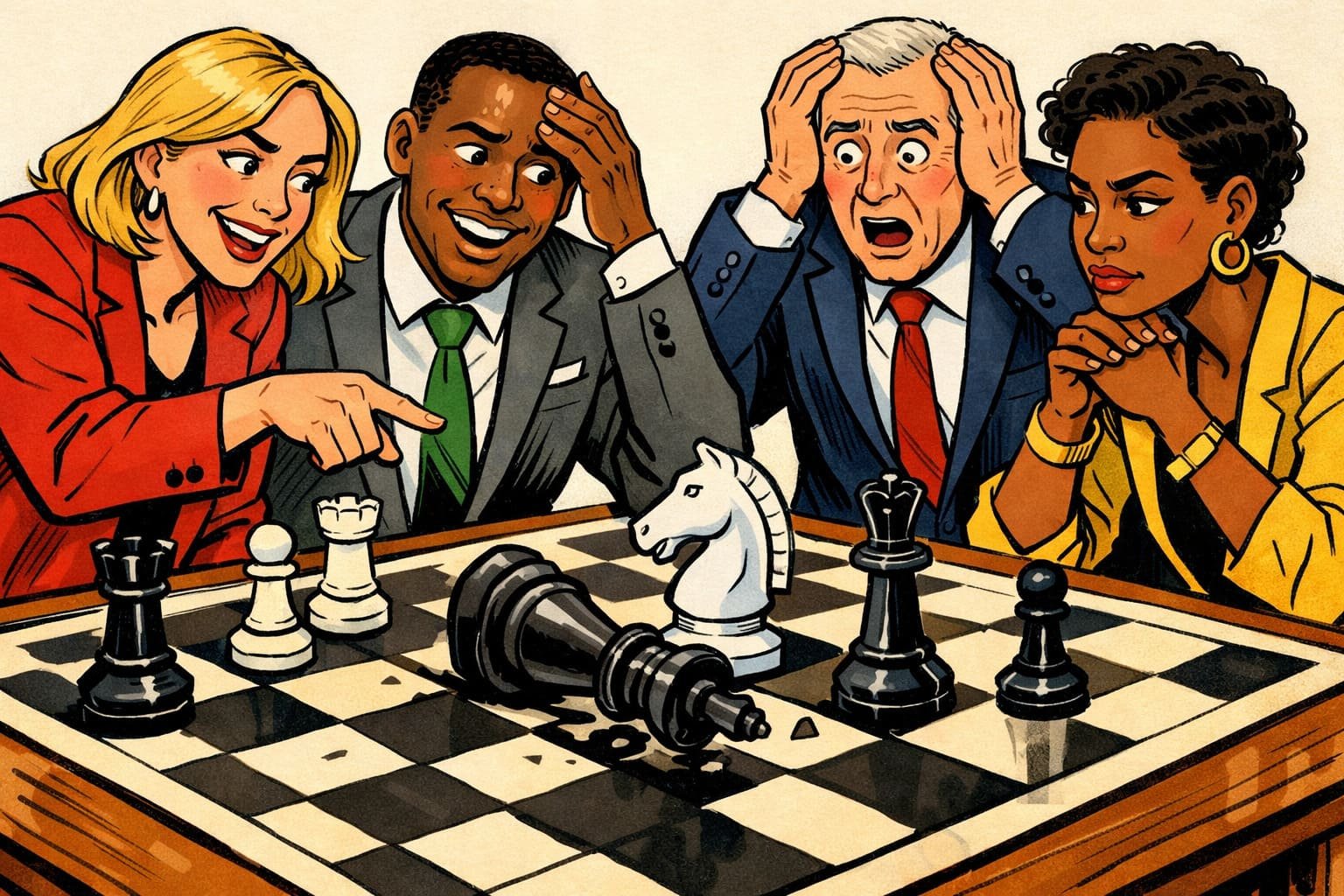
The headlines sounded final. Investors walked away, customers lost confidence, and competitors quietly celebrated another company drifting toward irrelevance. Inside the headquarters, empty desks began telling a story that financial statements had already hinted at for months. Everything suggested the game was over. Yet business history has an unusual habit of embarrassing certainty. Some organizations stand closest to defeat just before discovering the strategy that changes everything, proving that endings often disguise remarkable beginnings.
Most struggling companies search for quick fixes. They redesign logos, launch aggressive marketing campaigns, or announce flashy initiatives that create temporary excitement. Those actions rarely solve the real problem. Sustainable recovery begins with uncomfortable honesty. Leaders must identify what actually broke before deciding how to rebuild. Strategic comebacks demand discipline rather than desperation. They require organizations to confront painful truths instead of decorating persistent weaknesses with optimistic slogans and ambitious announcements.
Apple remains one of the greatest examples of strategic recovery. During a difficult period, the company appeared directionless while competitors dominated important markets. Steve Jobs returned with a sharper focus instead of chasing every opportunity. Product lines became simpler. Design regained its importance. Innovation once again reflected purpose rather than confusion. The turnaround succeeded because leadership removed distractions before introducing new ideas, allowing clarity to replace complexity throughout the organization.
A regional restaurant chain faced its own defining moment after customer visits steadily declined. Managing director Farah resisted pressure to slash prices across every location. She spent weeks speaking directly with guests and frontline employees instead. The problem was not affordability. It was inconsistency. Kitchens prepared the same meals differently, creating disappointment rather than loyalty. Standardizing quality restored customer confidence, proving that careful listening often outperforms dramatic cost-cutting when businesses need renewal.
Recovery also demands emotional resilience. Employees working inside struggling organizations frequently carry invisible burdens of uncertainty, frustration, and self-doubt. Those feelings influence performance long before financial reports reveal deeper problems. Strong leaders acknowledge reality without surrendering hope. They replace blame with responsibility and panic with direction. Confidence slowly returns because people begin believing their efforts matter again. Strategic renewal starts inside human relationships before appearing on balance sheets or market reports.
Marvel offers another powerful lesson. The company experienced financial hardship before transforming itself into one of the world’s most influential entertainment brands. Success came from recognizing the extraordinary value hidden inside its own intellectual property rather than endlessly chasing short-term survival. Businesses often overlook their greatest strengths because familiarity makes valuable assets seem ordinary. Strategic recovery frequently begins by rediscovering forgotten advantages instead of searching endlessly for completely new ones.
Every setback also offers information that success rarely provides. Failure exposes inefficient systems, weak assumptions, and neglected customer expectations with remarkable honesty. Organizations willing to learn from those lessons emerge stronger because they understand both their vulnerabilities and their capabilities. Recovery becomes more than returning to previous performance. It becomes an opportunity to build a better business than the one that struggled in the first place, creating resilience through hard-earned wisdom.
Many businesses disappear because they mistake temporary hardship for permanent defeat. Others rewrite their future because they refuse to let difficult seasons define their identity. The distance between failure and revival is often measured by the quality of strategic thinking rather than the size of available resources. Every organization eventually faces moments that resemble checkmate. The remarkable ones remember that the game is only over when they stop searching for the next move.
