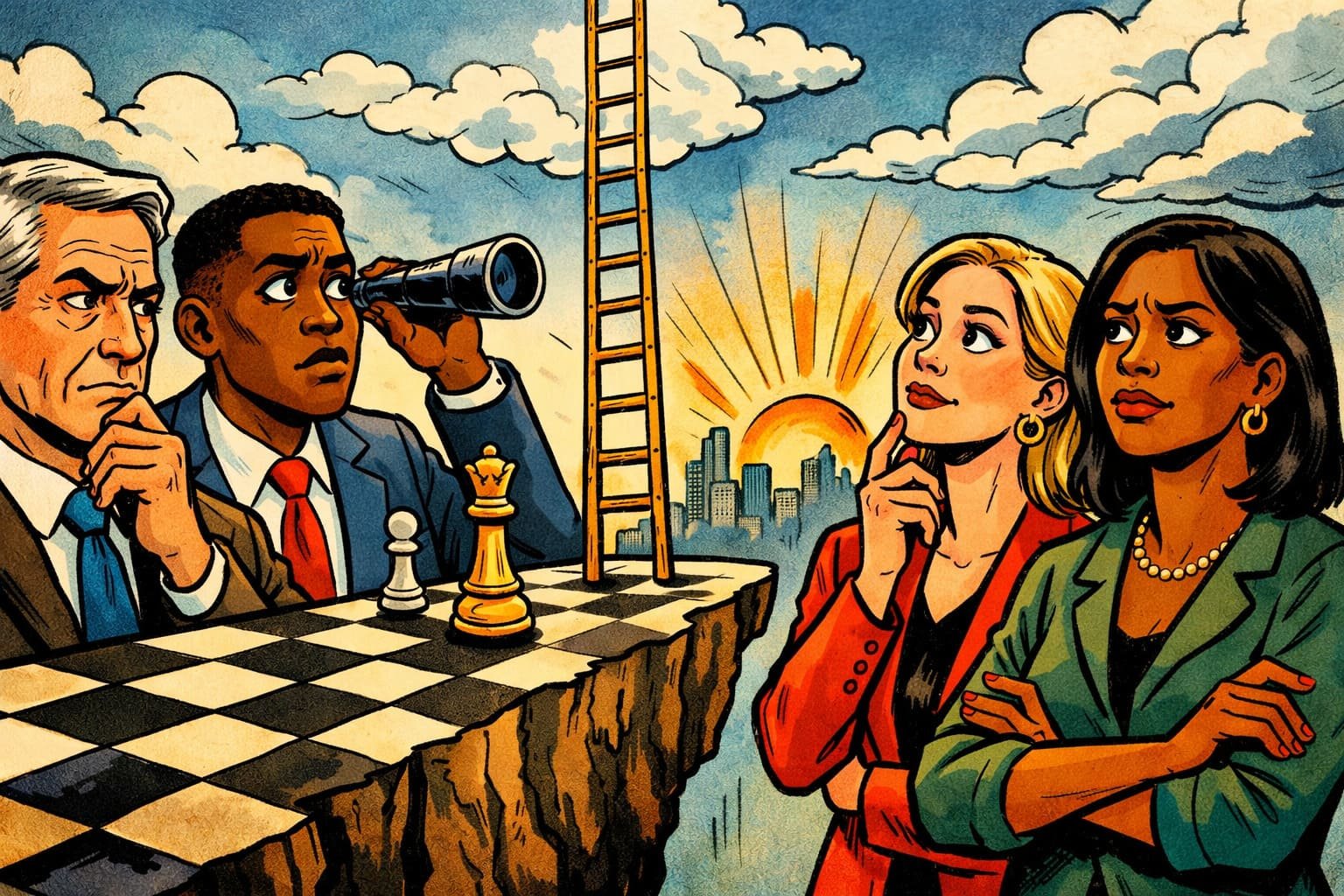
The applause echoed across the auditorium as another celebrated chief executive accepted an industry award. Cameras flashed, investors smiled, and employees admired the leader who had become the face of the organization. Then a quiet question lingered beneath the celebration. What happens when that leader leaves? Many successful businesses never prepare for that moment. They build remarkable companies around extraordinary individuals instead of creating institutions capable of thriving long after those individuals have moved on.
Succession planning often feels uncomfortable because it forces leaders to confront their own impermanence. Some avoid the conversation entirely, believing loyalty or longevity will solve the problem. Neither does. Leadership transitions arrive through retirement, illness, opportunity, or unexpected crisis. Organizations without a succession strategy usually respond with confusion rather than confidence. Customers notice uncertainty. Employees become anxious. Competitors sense hesitation. A business built around one person eventually becomes vulnerable to that person’s absence.
Microsoft demonstrated the value of thoughtful succession when Satya Nadella succeeded Steve Ballmer. The transition was not simply about appointing another executive. It reflected years of leadership development, organizational understanding, and strategic continuity. Nadella respected the company’s heritage while guiding it toward cloud computing, artificial intelligence, and a more collaborative culture. The business evolved without losing its identity because leadership succession had been approached as a strategic process rather than an emergency decision.
A growing engineering consultancy faced a quieter challenge. Founder Grace handled every important client relationship, believing personal involvement guaranteed quality. When she needed extended medical leave, projects slowed almost immediately. Senior manager Karim suggested introducing shared client ownership and mentoring younger leaders. The adjustment felt awkward at first. Months later, customers appreciated faster responses, emerging managers gained confidence, and the business became stronger because leadership responsibilities no longer depended upon one individual alone.
Succession planning is really about preserving organizational wisdom. Experienced leaders carry relationships, judgment, and cultural understanding that cannot be replaced overnight. Those qualities must be transferred intentionally through coaching, delegation, and meaningful opportunities. Future leaders develop by making decisions, learning from mistakes, and earning trust before promotions arrive. Waiting until a vacancy appears almost guarantees rushed choices, unnecessary disruption, and avoidable strategic setbacks across the organization.
Warren Buffett has often emphasized the importance of preparing Berkshire Hathaway for leadership beyond his own tenure. Investors value that transparency because it reflects confidence in the institution rather than dependence on a single personality. Enduring organizations understand a simple principle. Great leaders create more leaders. They measure success not by becoming indispensable but by making themselves progressively less central to everyday operations while strengthening the capabilities of those around them.
Strong succession planning also transforms workplace culture. Employees recognize that growth is genuinely possible when leadership development becomes visible rather than theoretical. Ambitious professionals stay longer because they see meaningful opportunities ahead. Knowledge flows more freely across departments. Collaboration improves because experienced leaders invest time developing future decision makers instead of protecting authority. The organization gradually shifts from personality-driven leadership toward capability-driven leadership, creating resilience that competitors struggle to imitate.
The companies remembered across generations rarely survive because one extraordinary leader never left. They endure because every generation prepares the next before uncertainty arrives. Succession planning is not about replacing remarkable people. It is about protecting the mission they worked so hard to build. Leadership reaches its highest expression when influence continues long after the office door quietly closes behind its greatest champion.
