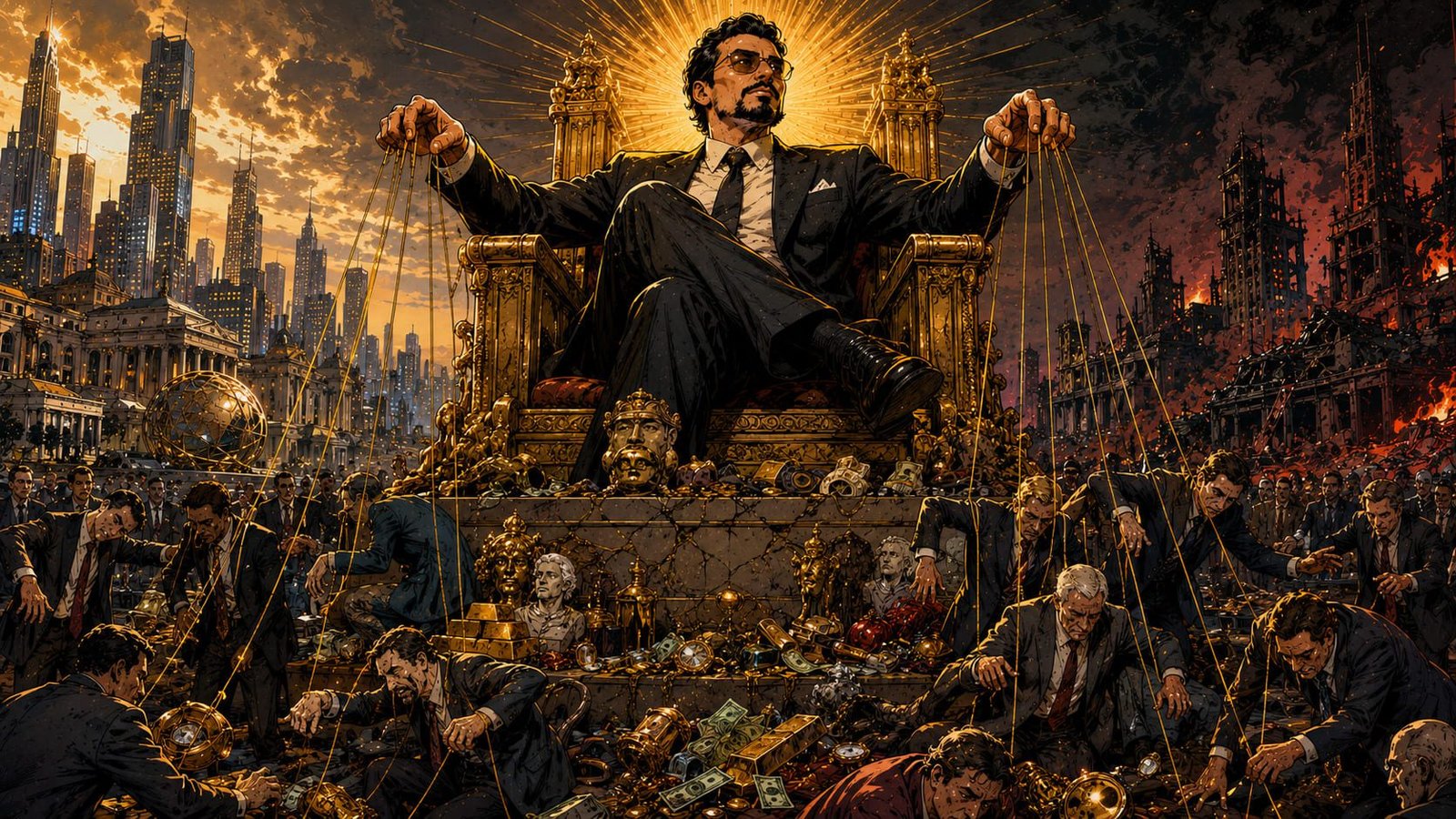
Monaco glittered like a hallucination built by exhausted billionaires. Champagne trembled inside crystal glasses while engines screamed across the racetrack with the violence of small wars disguised as luxury entertainment. Beneath the tailored suits and camera flashes, something fragile had already started cracking. Iron Man 2 enters the story at the exact moment success becomes psychologically dangerous. The first film explored transformation through crisis. This sequel studies what happens after the applause arrives and the world begins treating one man’s ego like geopolitical infrastructure. Jon Favreau directs the movie with a strange mixture of swagger and melancholy, as if recognizing that modern power often destroys people more elegantly than failure ever could. Tony Stark is no longer building identity from survival. He is trying to survive identity itself.
The film understands a brutal truth about visibility. Once society turns someone into a symbol, authenticity becomes almost impossible to maintain. Stark spends much of the story drowning beneath his own mythology. Governments want control. Corporations want access. Media networks want spectacle. Audiences want reassurance wrapped in charisma. That pressure feels deeply contemporary. A biotech founder named Elias Renn spent years appearing on magazine covers after developing a revolutionary medical diagnostics platform. Investors adored his confidence. Television hosts praised his “visionary calm.” Former employees later described a man surviving on caffeine, insomnia, and private panic attacks hidden behind rehearsed optimism. Iron Man 2 recognizes that fame often functions like emotional radiation. The more exposure a person receives, the harder it becomes to separate human identity from public expectation.
Tony’s deteriorating health adds surprising philosophical weight to the film. The palladium poisoning works as more than physical danger. It becomes a metaphor for the hidden cost of systems that appear successful from the outside. Modern institutions frequently reward behaviors that quietly destroy the people sustaining them. Executives celebrate overwork until burnout arrives disguised as achievement. Founders glamorize exhaustion while relationships collapse in slow motion behind polished social-media updates. A hedge fund manager named Clara Voss reportedly carried anti-anxiety medication inside a luxury watch case because she feared appearing vulnerable during client meetings. Colleagues admired her composure without realizing it had become chemically maintained. Iron Man 2 captures that contradiction beautifully. The very mechanism giving Stark influence is simultaneously killing him.
Mickey Rourke’s Ivan Vanko introduces another layer the film handles more intelligently than critics often admit. Vanko is not merely revenge-driven chaos. He represents the resentment generated when technological empires concentrate power inside dynastic myths. The Stark legacy appears glamorous from a distance, yet the movie repeatedly shows how innovation ecosystems leave casualties buried beneath celebratory narratives. Entire industries thrive by rewarding certain forms of genius while abandoning others. A software engineer named Dmitri Volkov once spent years developing machine-learning systems for a major defense contractor before his division was dissolved during restructuring. Executives framed the layoffs as “strategic realignment.” Months later the company unveiled a public campaign celebrating innovation culture beneath cinematic music and glowing keynote stages. Vanko’s rage feels rooted in that exact emotional terrain. The film understands that neglected talent can mutate into dangerous bitterness once humiliation replaces recognition.
Scarlett Johansson’s Natasha Romanoff adds another fascinating tension. She moves through corporate spaces with surgical awareness, exposing how power structures rely on performance, surveillance, and emotional manipulation simultaneously. Her presence transforms the movie into something colder and more observant. Everyone inside Stark’s world appears to be acting. Politicians perform patriotism. Executives perform loyalty. Stark performs invulnerability. Romanoff watches the machinery quietly, almost like an anthropologist studying a collapsing empire from inside the palace walls. That atmosphere mirrors modern workplace culture more closely than many viewers realize. Professional environments increasingly reward emotional choreography over honesty. Meetings become theater productions where language gets polished until meaning evaporates entirely.
The film also predicts the growing tension between technological individualism and institutional control. Governments fear Stark because one charismatic innovator now possesses power traditionally reserved for nations. That anxiety has only intensified in the real world. Tech executives today influence communication systems, financial markets, transportation networks, and public discourse with astonishing reach. A cybersecurity consultant named Nadia Mercer once described Silicon Valley as “a collection of private kingdoms pretending to be apps.” Iron Man 2 quietly explores that political transformation years before it became culturally unavoidable. Stark insists he alone can manage the technology responsibly. History repeatedly shows how dangerous that belief becomes once unchecked confidence merges with concentrated capability.
Visually, the movie thrives on excess because excess itself becomes thematic. Stark’s birthday party spirals into neon-lit self-destruction where armor technology turns into drunken spectacle. The scene feels less like superhero fantasy and more like watching a founder implode during a livestreamed product launch. Wealth removes ordinary friction from human behavior. Consequences arrive slower. Validation arrives instantly. That imbalance distorts judgment. The film repeatedly suggests that immense privilege creates emotional isolation disguised as freedom. Stark can buy almost anything except clarity. That emotional emptiness lingers underneath every sarcastic remark and reckless decision.
Near the end, something unexpectedly tender emerges from the noise and machinery. Tony Stark finally begins recognizing that survival depends not on domination but connection. The breakthrough arrives through collaboration, legacy, and trust rather than solitary genius. Iron Man 2 leaves behind a strangely modern warning wrapped inside blockbuster entertainment. Power becomes unstable once identity depends entirely on performance. Ambition without emotional grounding eventually corrodes the very person achieving it. Somewhere between the glowing reactors, collapsing drones, and exhausted laughter sits a truth modern culture desperately avoids confronting: human beings were never designed to become brands powerful enough to replace nations. And when a person starts believing their own mythology louder than reality itself, collapse stops feeling accidental and starts feeling inevitable.
Editorial Disclaimer: Whether a film is rooted in fiction or inspired by real events, the actions, decisions, and behaviors portrayed within are not intended to be encouraged, replicated, or endorsed in real-world settings. This review exists solely to analyze the storytelling, characters, themes, and business dynamics presented in the film for educational, analytical, and entertainment purposes. Any ethical or unethical conduct depicted in the film does not reflect the views, values, or endorsements of ESYRITE.
