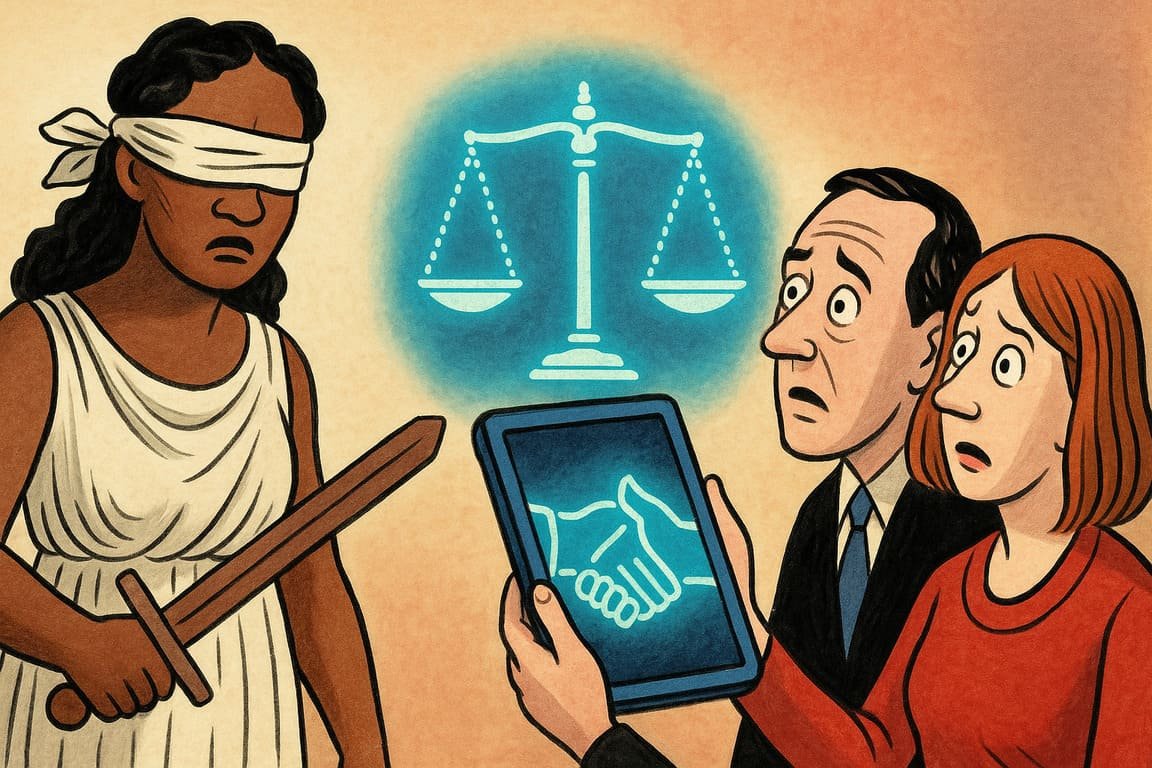
Courtroom lights glowed against polished wood while every spectator waited for a verdict that felt certain before anyone had spoken. Confidence filled the room because machines, unlike people, supposedly carried no prejudice. Then a single question drifted across the silence: who taught those machines what fairness actually means? Digital fairness rarely collapses because computers make decisions. It fractures because human assumptions quietly become invisible rules hidden inside software.
Every recommendation engine, hiring platform, credit assessment tool, and content ranking system reflects choices made long before anyone clicks a button. Data is never collected in a vacuum. Design priorities, historical records, commercial incentives, and technical shortcuts all influence how digital decisions unfold. Fairness becomes less about writing perfect code and more about questioning the invisible values embedded throughout the entire process before technology reaches everyday life.
Amazon famously abandoned an experimental recruiting tool after discovering that historical hiring patterns had unintentionally shaped biased recommendations. Apple Card also faced public scrutiny when customers questioned differences in credit decisions, reminding businesses that trust disappears quickly whenever automated judgments cannot be clearly explained. Priya celebrated reaching the final stage of an online recruitment process with impressive qualifications. She never received an interview, later discovering the screening system favored patterns from previous hiring cycles rather than genuine potential.
Fairness cannot exist without transparency. When people understand why decisions happen, disagreement becomes part of healthy accountability instead of suspicion. Professor Cathy O’Neil has argued that opaque algorithms can quietly magnify existing inequalities because mathematical models often inherit the flaws of the societies that produce them. Omar managed customer service for a financial startup and insisted every automated rejection include a human review option. Complaints declined because customers valued explanation almost as much as approval.
IBM has increasingly emphasized responsible artificial intelligence through governance frameworks that encourage explainability, accountability, and continuous monitoring instead of treating ethics as a final compliance exercise. Microsoft has invested heavily in responsible AI principles for similar reasons, recognizing that confidence grows when organizations openly examine unintended consequences before products scale globally. Responsible technology is not built by assuming perfection. It is strengthened through constant questioning, careful testing, and the humility to correct mistakes before they become permanent systems.
Museum visitors often admire restored paintings because careful conservation reveals details hidden beneath earlier layers of dust and varnish. Digital fairness demands that same patience, uncovering assumptions buried beneath elegant interfaces and impressive algorithms before they quietly shape millions of lives. Progress deserves more than efficient decisions. Ask whether every digital judgment reflects genuine fairness, or merely disguises yesterday’s biases beneath tomorrow’s technology.
