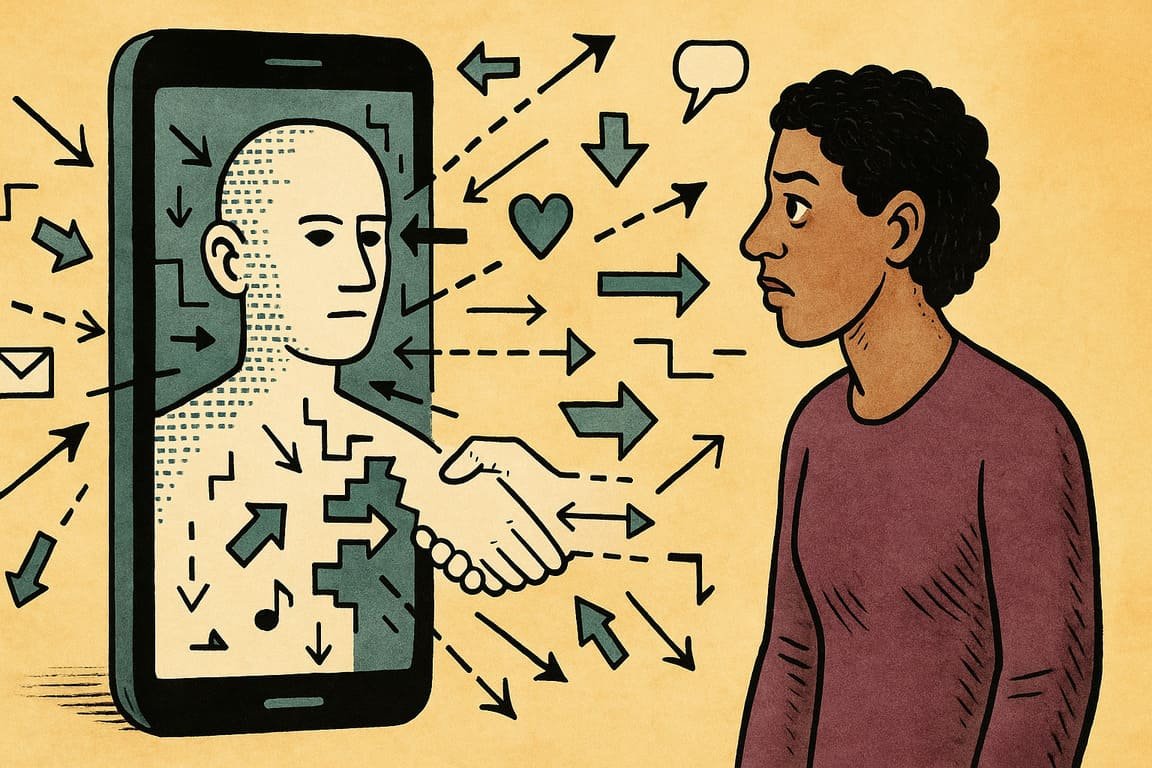
Curtains lifted inside a forgotten theater where every audience member believed they had chosen their own seat, unaware invisible ushers had quietly guided each step before the performance began. Every spotlight found exactly the right face, every sound landed at the perfect moment, and every applause seemed spontaneous despite careful orchestration beneath polished floors. Modern identity often feels wonderfully personal while unseen digital systems constantly rearrange the stage. That quiet choreography shapes choices long before people recognize they are making them.
Identity has always evolved through family, culture, education, and lived experience. Digital platforms added another powerful influence by continuously learning preferences, predicting interests, and recommending what deserves attention next. Tiny interactions become lasting signals. A paused video, a skipped article, or a late-night search slowly teaches recommendation systems how to build an increasingly detailed portrait that influences future opportunities, conversations, purchases, and even beliefs.
Spotify became famous for discovering music listeners never knew they wanted, while YouTube transformed billions of viewing habits through recommendations that often outperform deliberate searching. Those achievements reveal remarkable technical sophistication, yet they also illustrate how algorithms gradually become cultural editors rather than simple delivery tools. Leila downloaded a photography application after watching travel documentaries during one holiday weekend. Months later her feeds revolved almost entirely around adventure lifestyles, quietly replacing hobbies she once loved without any deliberate decision.
Psychologists have long observed that repeated exposure shapes familiarity, and familiarity often shapes preference. Recommendation engines accelerate that timeless pattern at extraordinary scale, reinforcing existing interests while making alternative perspectives increasingly difficult to encounter. Marcus managed marketing campaigns for a regional retailer and noticed every dashboard confirmed previous assumptions because targeting kept reaching similar audiences. Only after broadening campaign experiments did unexpected customer groups emerge, revealing opportunities hidden by overly confident personalization.
Adobe increasingly builds creative tools that adapt intelligently to individual workflows, helping professionals work faster without dictating artistic direction. LinkedIn recommends careers, skills, and professional connections, yet its greatest value appears when recommendations expand possibilities instead of narrowing ambition into predictable categories. Healthy personalization opens doors rather than closing corridors. Responsible technology encourages exploration, surprise, and genuine discovery instead of endlessly reflecting yesterday’s habits back to today’s decisions.
Footprints across fresh snow reveal far more about a traveler than the traveler usually notices while walking. Digital identities emerge through countless similar traces, each one appearing harmless until viewed together as a complete map. Character deserves room to surprise even its creator. Before accepting every recommendation as destiny, pause and ask whether your next decision belongs to your own curiosity or merely follows a path quietly prepared long before you arrived.
